Is Mitch A Diversion From The DOGE Audit And Dupont?
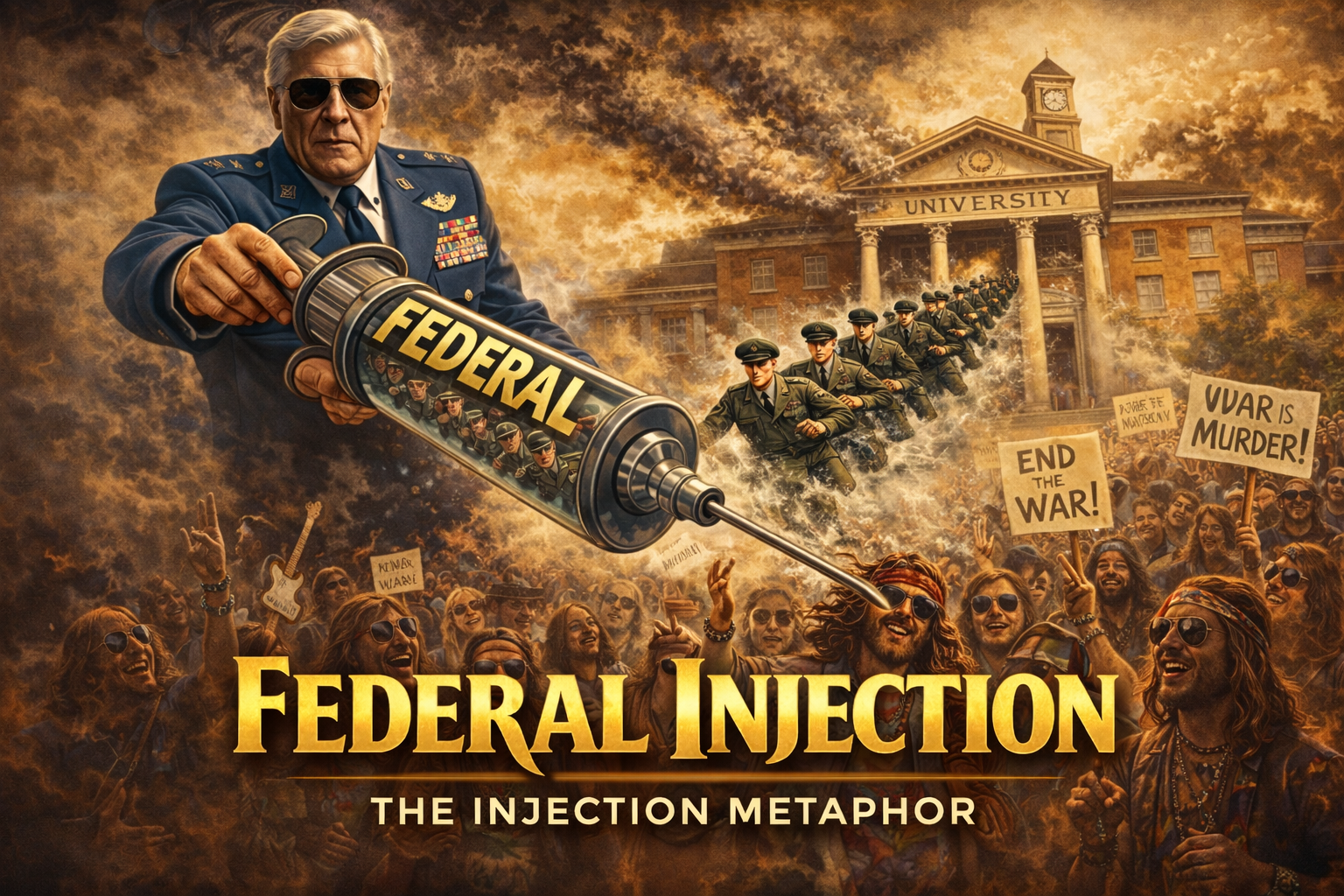
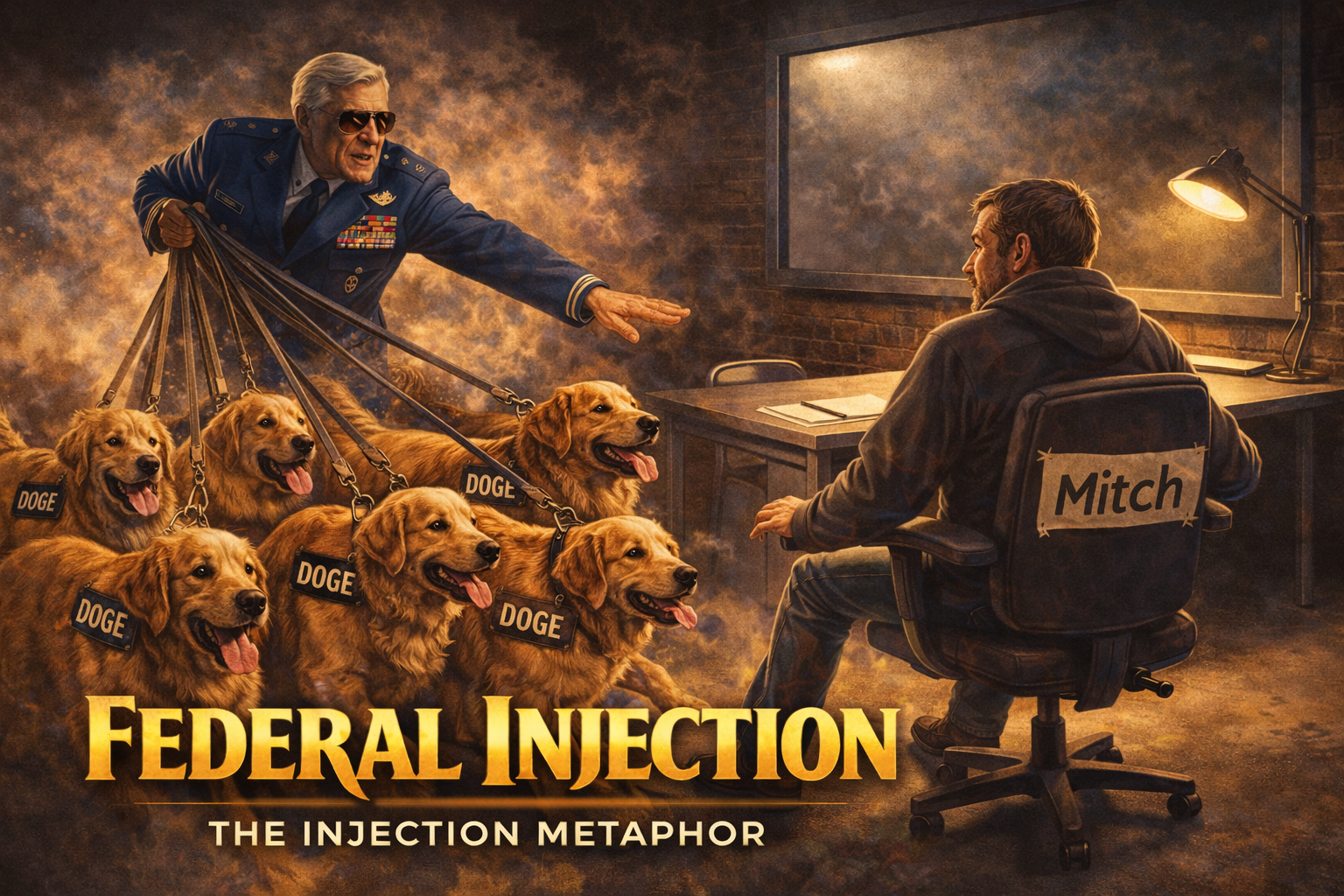
PART I — When the Mitch Trail Is Too Clean
I learned a long time ago that real investigations rarely arrive wrapped in clarity. When something looks too neat, too cinematic, or too emotionally satisfying, that’s often a signal to slow down. The work isn’t about heroes and villains; it’s about patterns, incentives, and timing.
History shows that when investigators get close to motive and means, distractions tend to appear, often wearing the mask of urgency or insider access.
That’s not paranoia; it’s an observed feature of complex political and intelligence cases.
Citation: New York Times, “How Misdirection Shapes Political Narratives”
https://www.nytimes.com/2020/10/01/opinion/media-disinformation.html
I’ve watched this cycle repeat across decades: Watergate, Iran-Contra, Iraq WMDs, Benghazi, January 6. Each time, the public debate veers toward personality clashes or credibility contests just as the underlying structural questions come into focus. Who benefits? Who had leverage? Who had access?
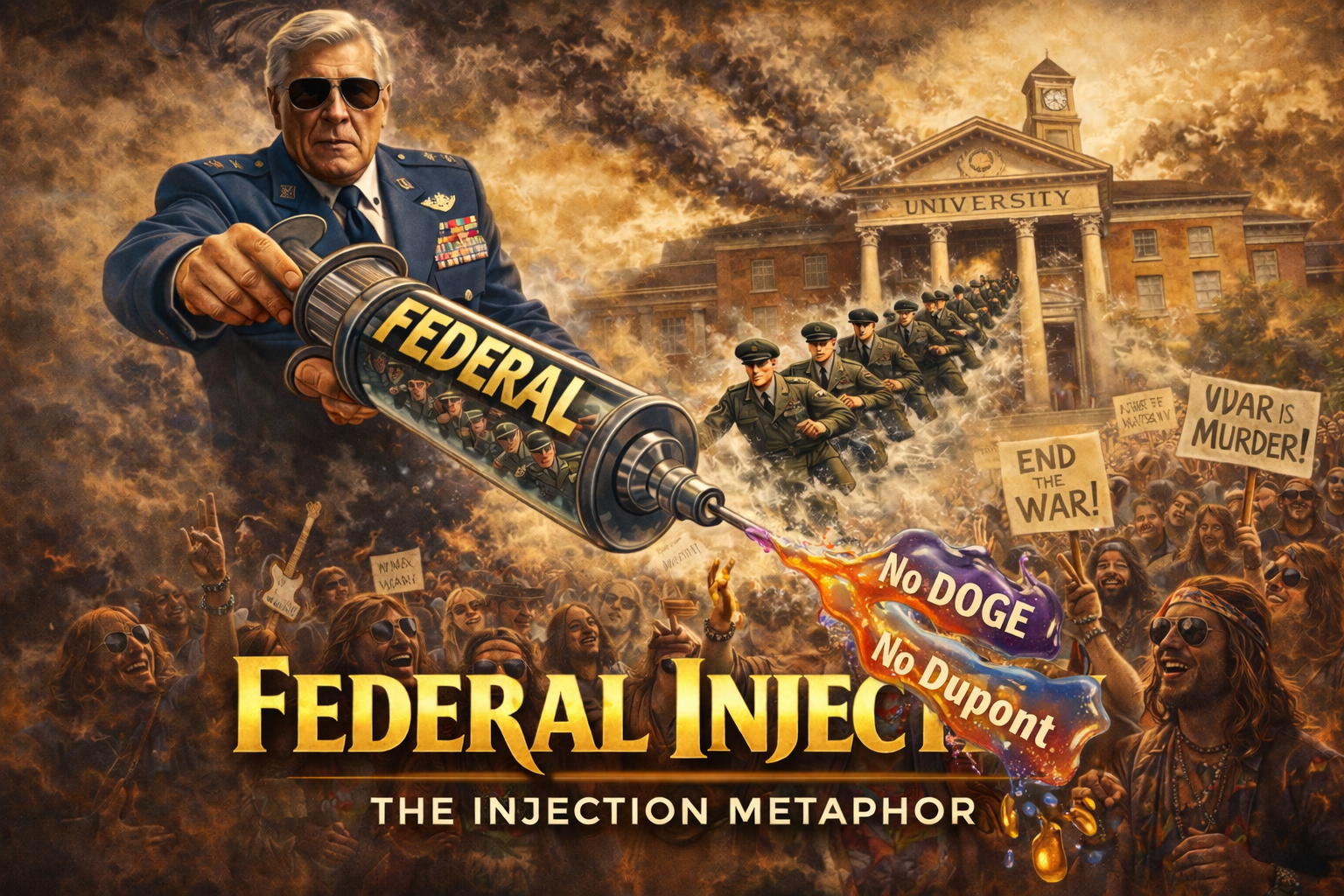
Those are dull questions compared to scandal, but they’re the ones that actually solve cases. Media history shows how often investigations stall when attention shifts from systems to individuals.
Citation: Washington Post, “The Media’s Role in Political Scandals”
https://www.washingtonpost.com/politics/2021/01/15/media-scandals-politics/
In the last decade, I’ve spent thousands of hours tracing what the military itself calls “influence operations” and “information operations.” These aren’t fringe concepts; they’re openly discussed in doctrine, hearings, and budgets. The U.S. military has repeatedly acknowledged using psychological operations, informant cultivation, and narrative management as tools of statecraft.
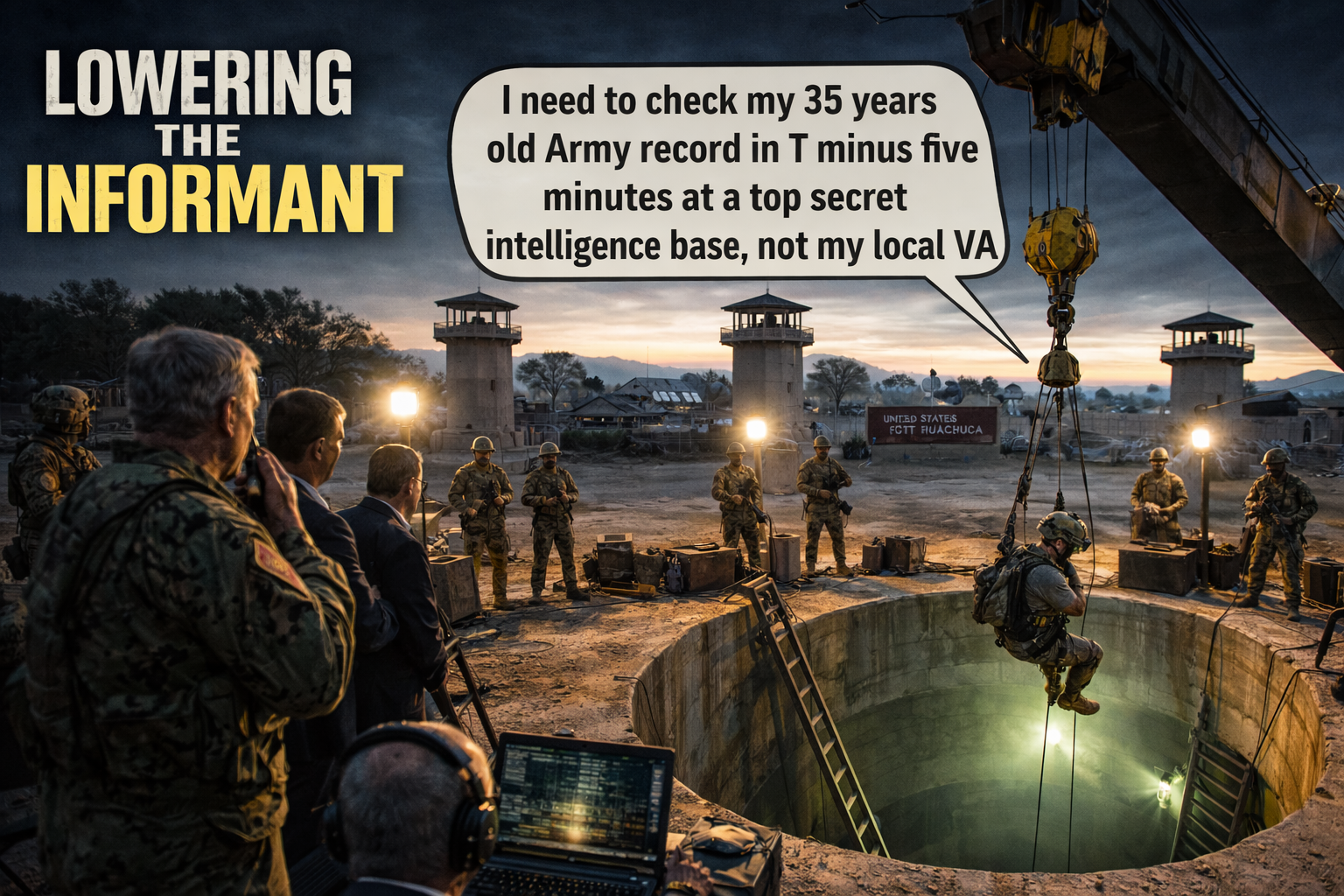
The uncomfortable truth is that these tools don’t disappear at the water’s edge. They are sometimes repurposed domestically, especially around large political or religious gatherings.
Citation: Reuters, “U.S. Military Expands Information Warfare Capabilities”
https://www.reuters.com/world/us/us-military-information-warfare-2022-03-16/
When people hear the word “informant,” they often imagine a single shady character. In reality, informants are part of a system—one with rules, handlers, incentives, and protections.
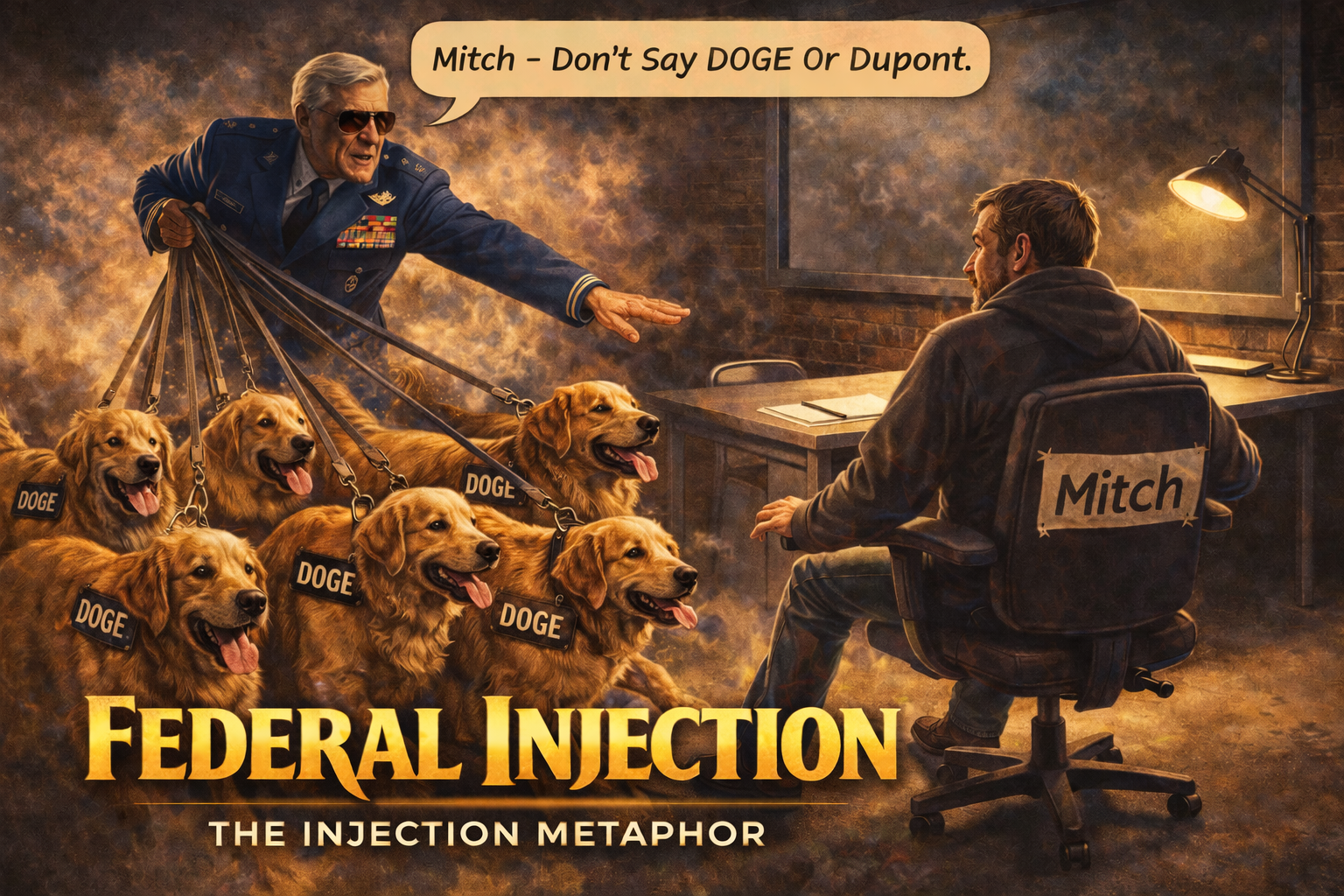
The FBI and other agencies have testified repeatedly that informants are indispensable to modern investigations. That also means informants can become vectors for misinformation, whether intentionally or through selective disclosure. This isn’t a moral judgment; it’s how the system works.
Citation: Associated Press, “FBI’s Reliance on Informants Under Scrutiny”
https://apnews.com/article/fbi-informants-oversight-justice-department-2b7f4d8b8a6e6c6e0f8c8f3a5e9b3c5a
I’ve learned to separate two things that often get conflated: the data someone brings and the story they tell about themselves. Metadata—locations, timing, access points—can be invaluable even if the narrator isn’t reliable.
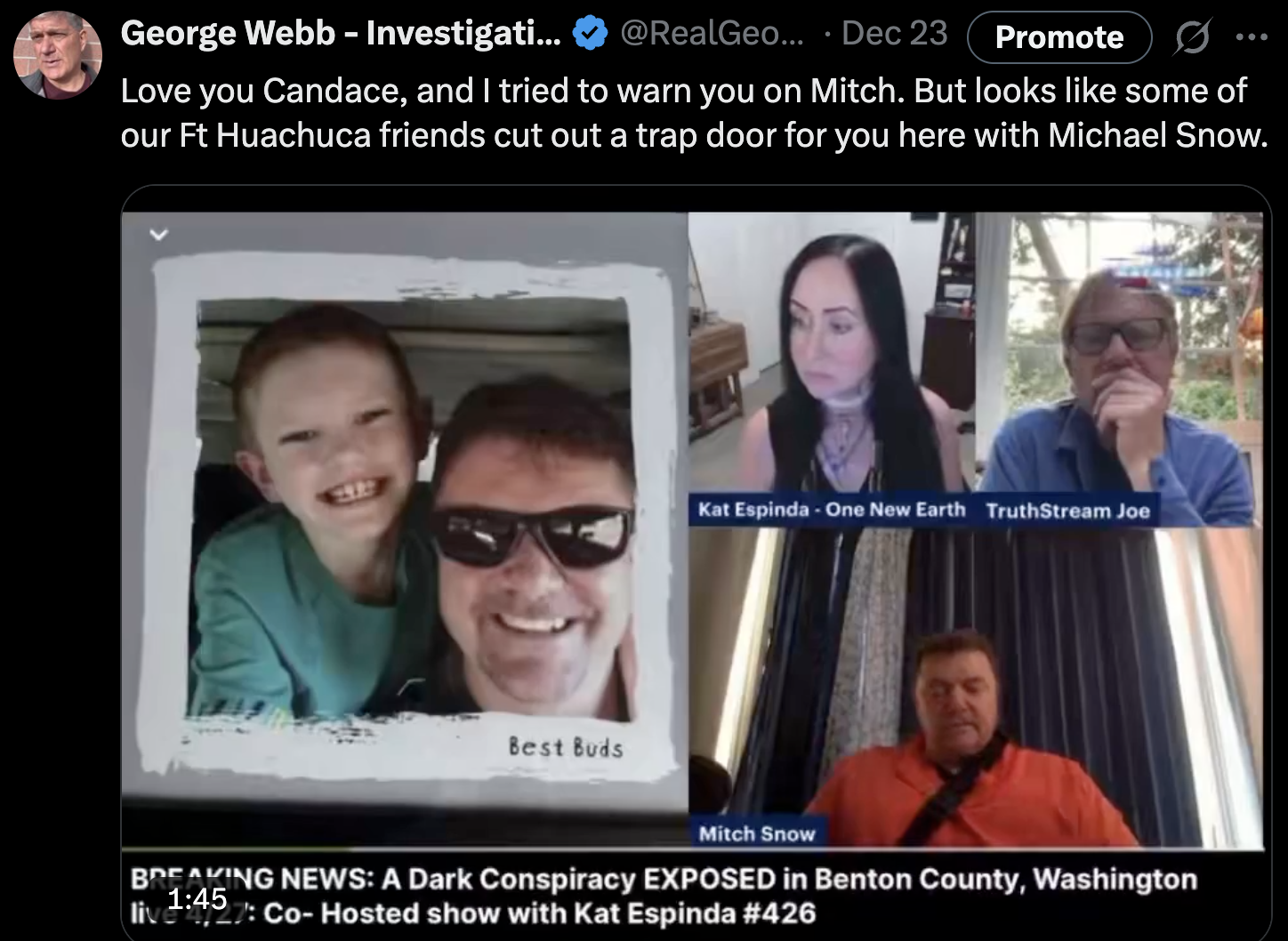
Investigative journalism isn’t about belief; it’s about extraction. You take what can be verified, discard what can’t, and resist being pulled into loyalty tests that benefit no one except those who want the trail to go cold.
Citation: Columbia Journalism Review, “Verification in the Age of Disinformation”
https://www.cjr.org/special_report/verification-disinformation.php

Subscribe to continue reading
Subscribe to get access to the rest of this post and other subscriber-only content.


