The Injection Of A Federal Informant Into Investigation That Are Getting Close Seems Almost Predictable With A Timepiece
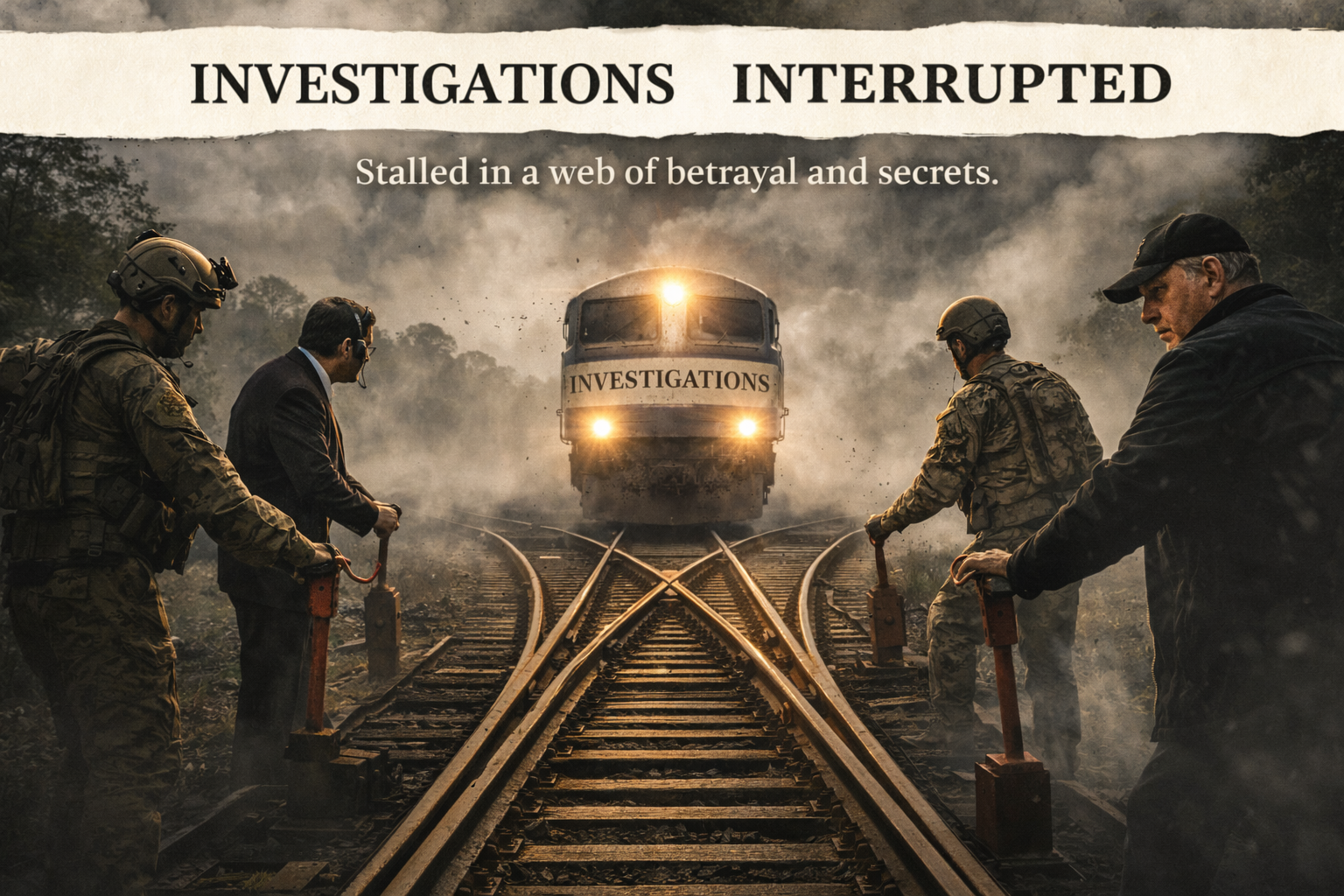
PART I — The Amazing Exploding Investigations – The Pattern I Can’t Unsee Since 9/11
I’ve been doing this long enough to know the difference between coincidence and cadence. Since 9/11, I’ve watched major federal investigations move toward uncomfortable conclusions—and then stop cold. Not because the evidence evaporated, but because the environment changed. Something happened. A shock. A rupture. A reset.
I’m not claiming a master plan; I’m saying there’s a recurring interruption point that shows up again and again in American history right when accountability feels close. That observation alone is not radical—it’s the starting point of investigative journalism.
Context: New York Times, “How 9/11 Changed Government Investigations”
https://www.nytimes.com/2021/09/11/us/9-11-investigations.html
What I’ve learned is that investigations don’t die only when they’re disproven. They die when attention is redirected, when jurisdiction is scrambled, or when personnel are displaced. The record shows that large-scale crises can do all three at once.
Commissions get formed, evidence gets boxed, and the original line of inquiry is overtaken by a larger emergency that consumes oxygen and time. That’s not a theory; it’s a documented consequence of national shocks.
Context: Washington Post, “Why Major Investigations Stall After National Crises”
https://www.washingtonpost.com/politics/2020/06/02/investigations-national-crises/
I’m careful to say what I mean and what I don’t. I am not saying every tragedy is caused to stop an investigation. I am saying that tragedies repeatedly function as interruptors, and that informants—official or unofficial—often appear in the aftermath to manage narratives, redirect blame, or fracture consensus. That’s a pattern worth examining, not dismissing.
Context: The Atlantic, “How Crises Reshape Political Narratives”
https://www.theatlantic.com/politics/archive/2019/03/crisis-narratives-politics/585531/
PART II — When Investigations Get Close, Everything Explodes
Take World Trade Center Building 7. It’s an undisputed fact that Building 7 collapsed on 9/11, and it’s also undisputed that federal offices tied to financial and regulatory work were housed there.

Subscribe to continue reading
Subscribe to get access to the rest of this post and other subscriber-only content.


