Crossing The Rubicon – Leaving High Tech Forever For Citizen JournLism
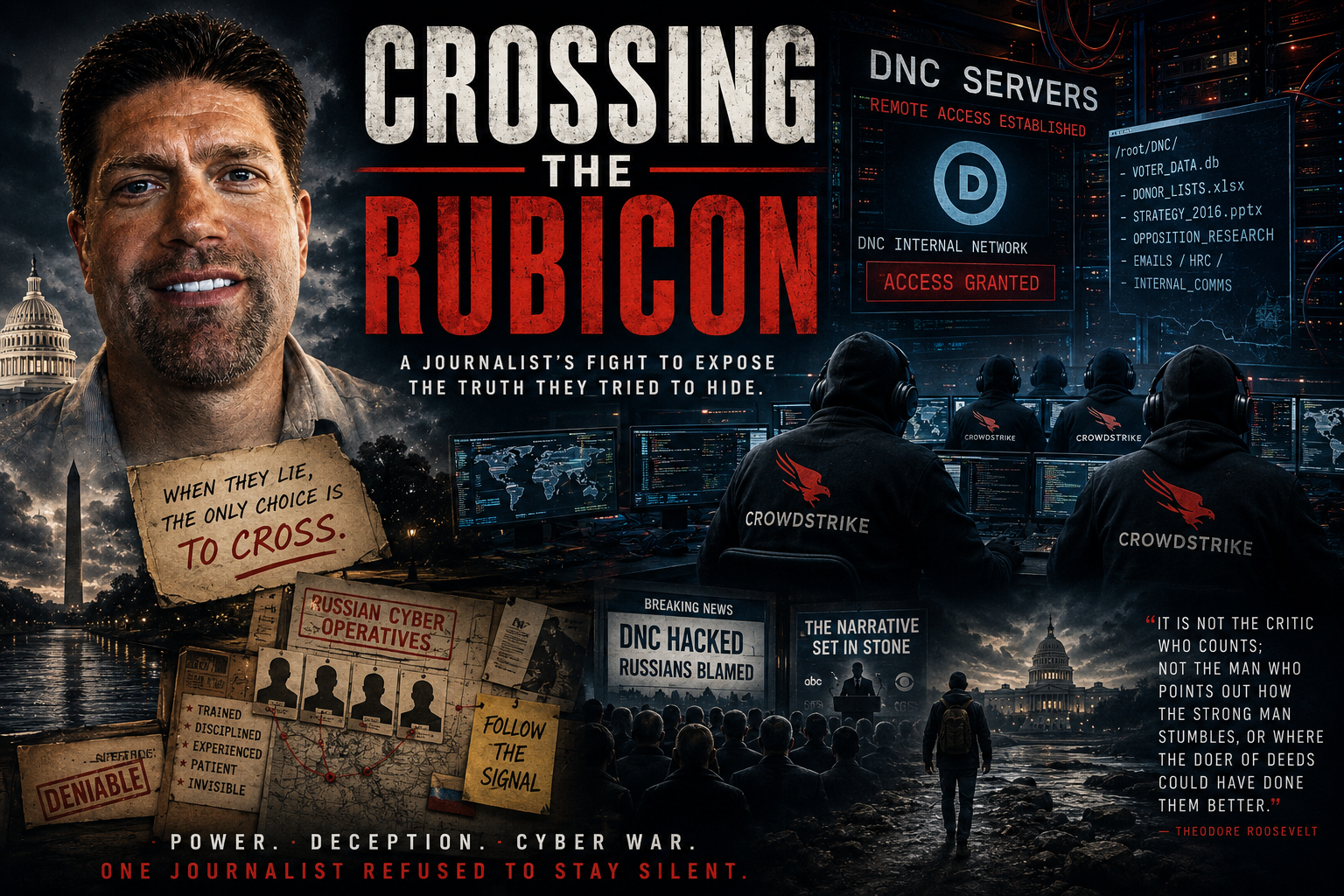
“Chasing The Signal” covers the time period from my discovery of Russian operative Dmitri Alperovitch writing backdoors for the NSA at Network Associates in 2000 to his DNC Hack Hoax with CrowdStrike in 2016. Thanks for reading – George Webb, May 2026
Chapter 6: Crossing the Rubicon
In June 2016, news broke that the Democratic National Committee had been hacked. The story quickly became one of the defining political controversies of the election season.
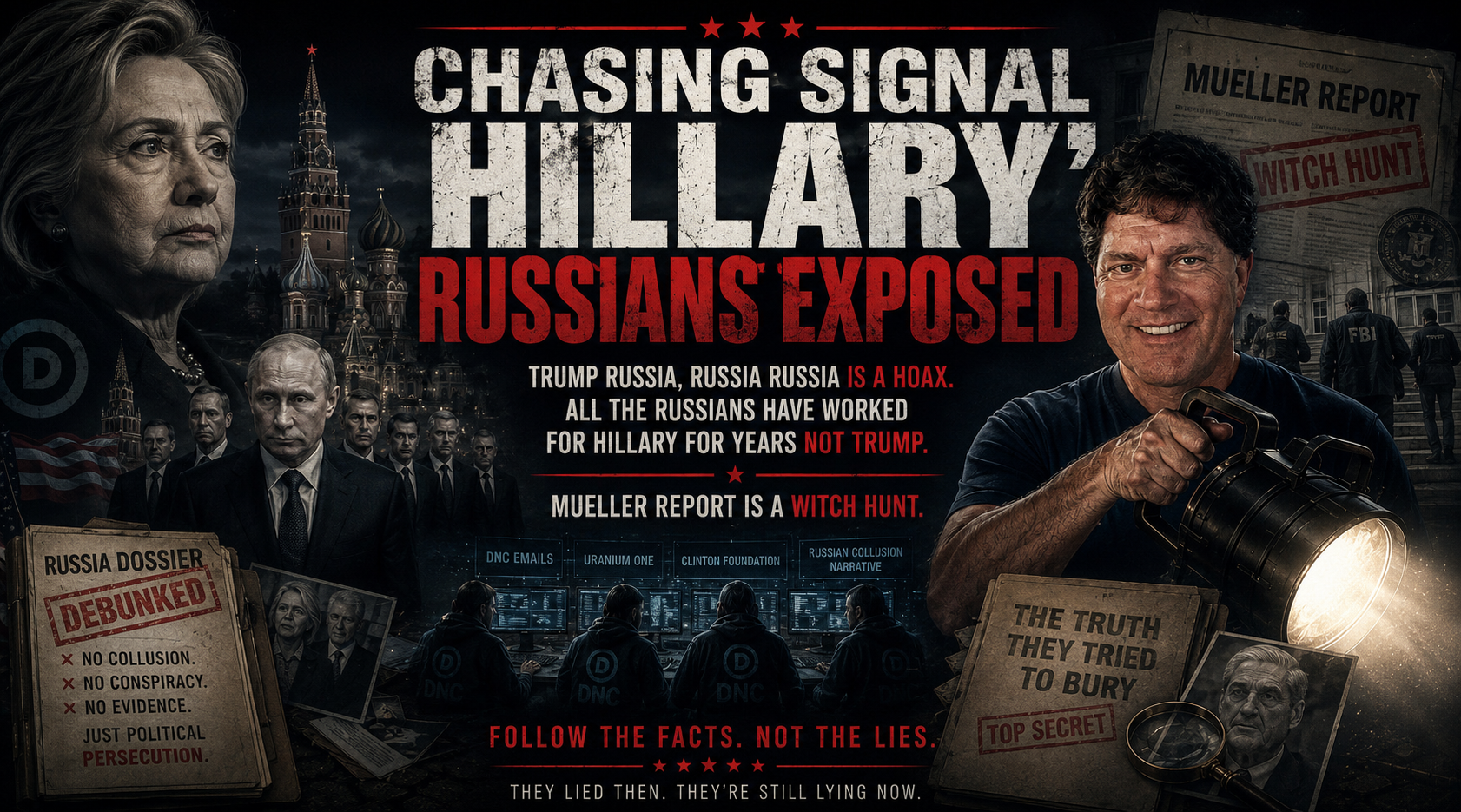
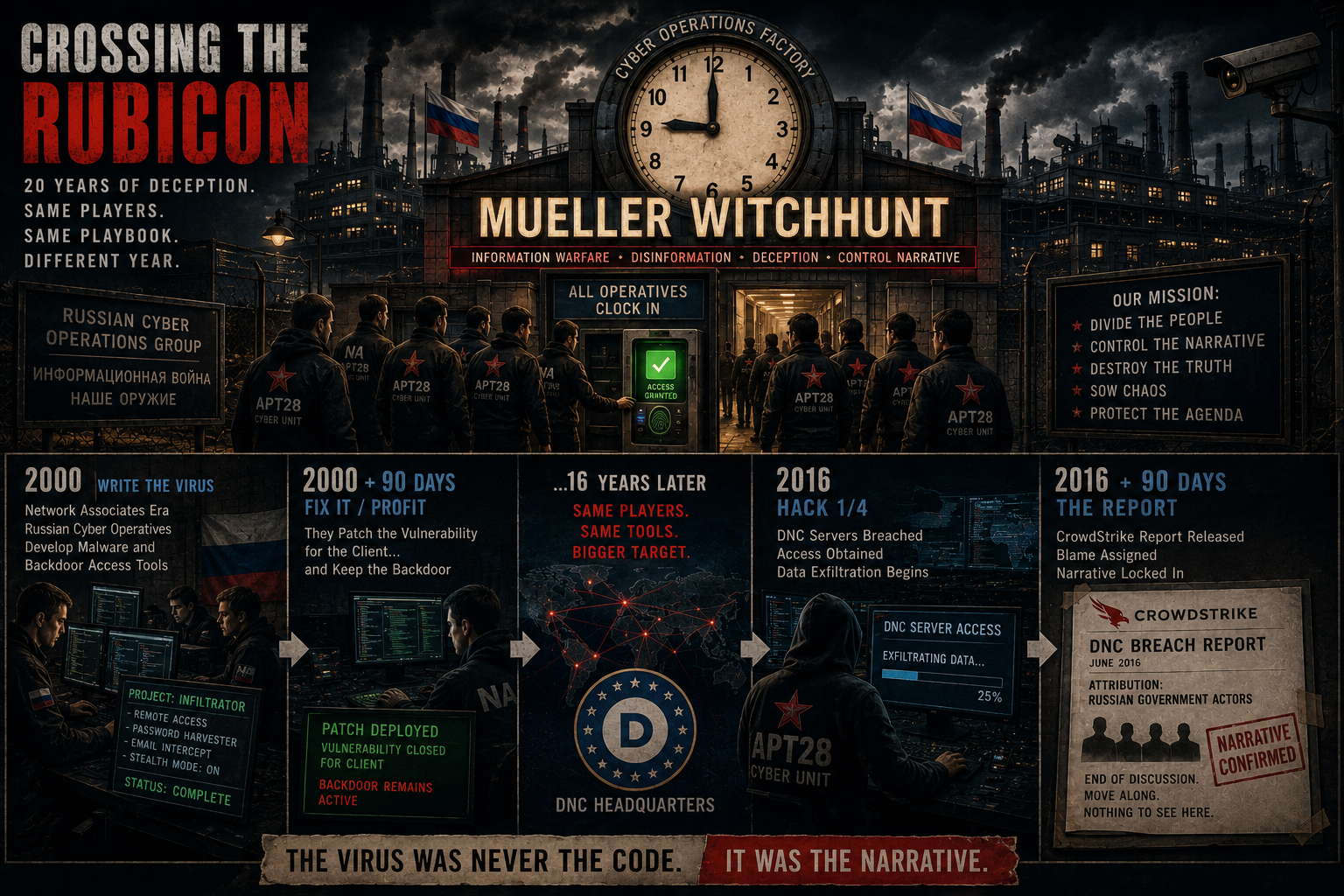
For me, however, the DNC “Hack” story triggered memories that stretched back much further to Dmitri Alperovich and his Russian cyberhackers at Network Associates.
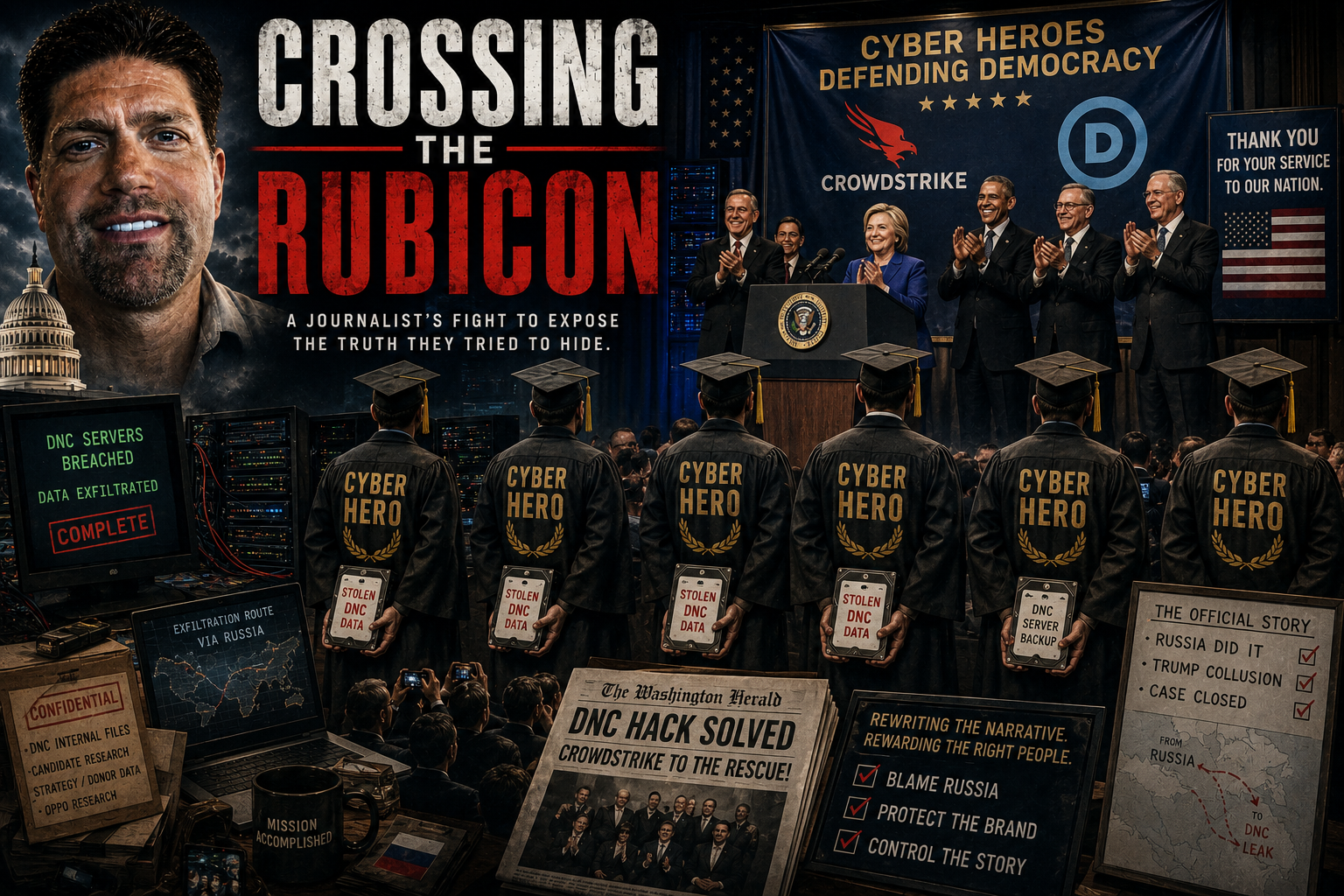
Years earlier, during my time in the cybersecurity industry at Network Associates, I had worked around Dmitri Alperovich and his Russian cyberhackers whose backgrounds, expertise, and connections had often raised questions in my mind about the hidden world of cyber operations. As the DNC story unfolded, I found myself wondering whether there were aspects of the public narrative that had yet to be fully explored like “Did Dmitri Do It?”.
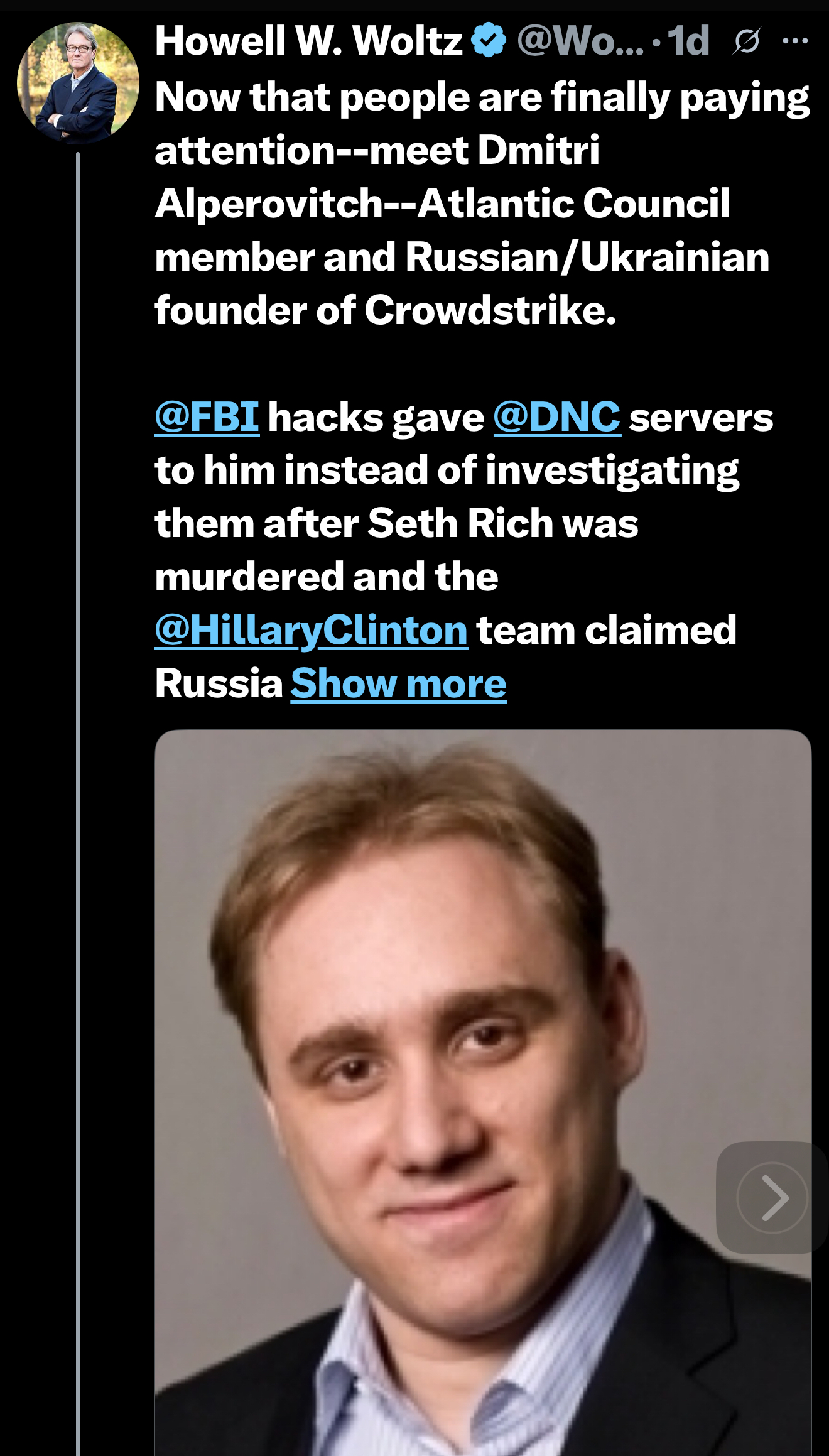
The more I followed the reporting, the more questions I accumulated.
How had Crowdstrike investigators reached their conclusions? There activities seemed focused on coverup of their crimes and alibi creation. What evidence had been examined? Russian hackers calling themselves Fancy Bears and Cozy Bears were the final verdict of being the perpetrators.
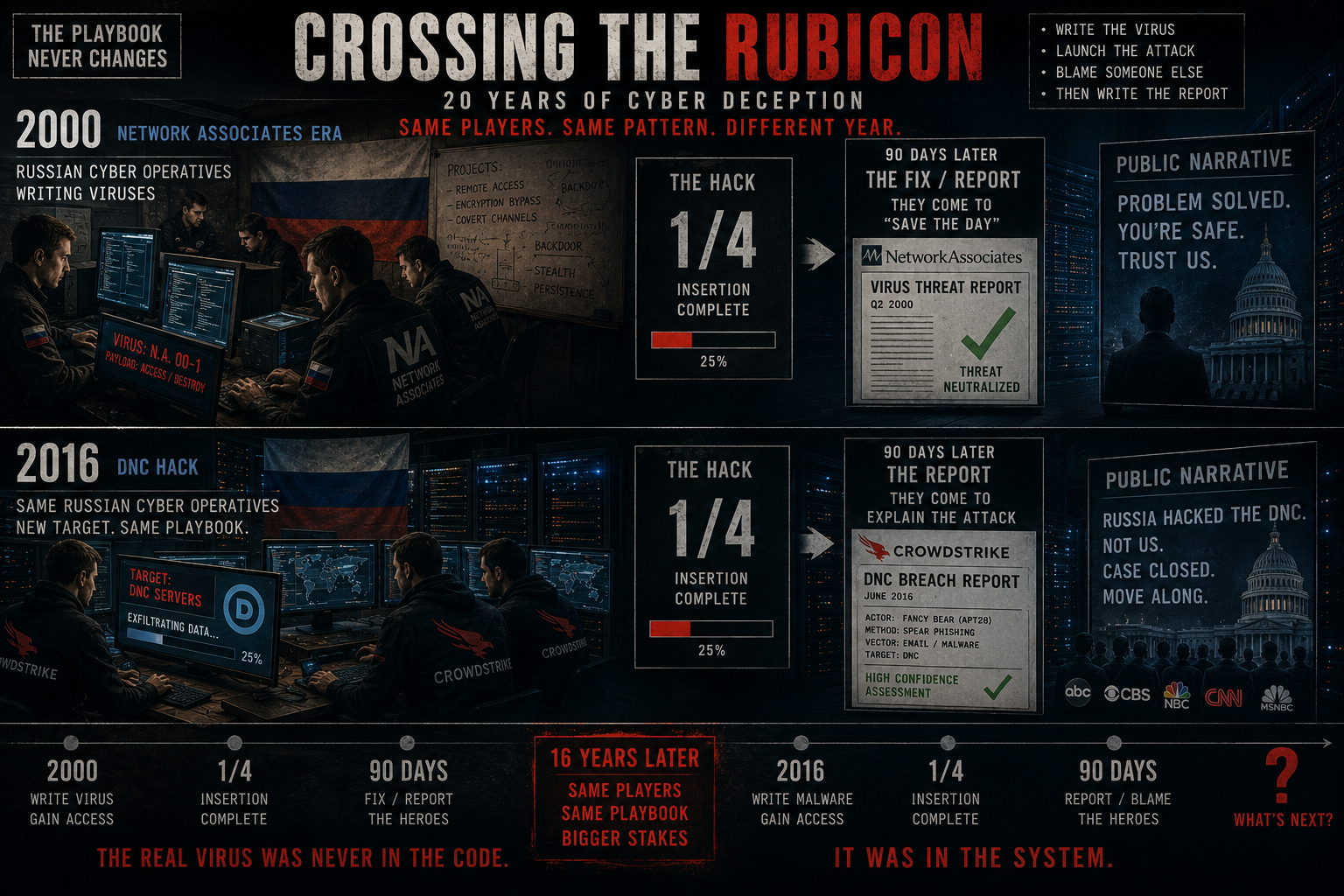
This was a retun of my Network Associates days where Dmitri Alperovich’s Russian hackers would write the virus, and the. they would write the fixes a quarter later. What competing explanations had been considered and rejected? Who benefited from the narrative that emerged, and who did not?
These questions became increasingly important to me because they touched on something larger than a single election. They raised questions about trust—in institutions, in media organizations, in intelligence agencies, and in the rapidly growing cybersecurity industry itself.
There’s no doubt in my mind that our exposure of Dmitri Alperovich is Russian cyber hackers exposed the Mueller witch hunt for what it was a witch hunt done by their own Russian hackers. After all, I had exposed the same Russians spying for the NSA on a smaller scale already in 2001.
Now, instead of Robert Mueller taking Trump down for Alperovich’s Russian hacking, Mueller and his witchhunt team were now looking at potential prison time for orchestrating a fraudulent crime in the name of Donald Trump.
At the time, I was living a comfortable life in the technology sector. The career path was clear. The compensation was substantial. The future appeared secure.
Yet I found myself increasingly distracted by the feeling that important questions were being left unanswered.
I began writing blog posts.
Then I began producing simple, and then much more in-depth YouTube presentations.
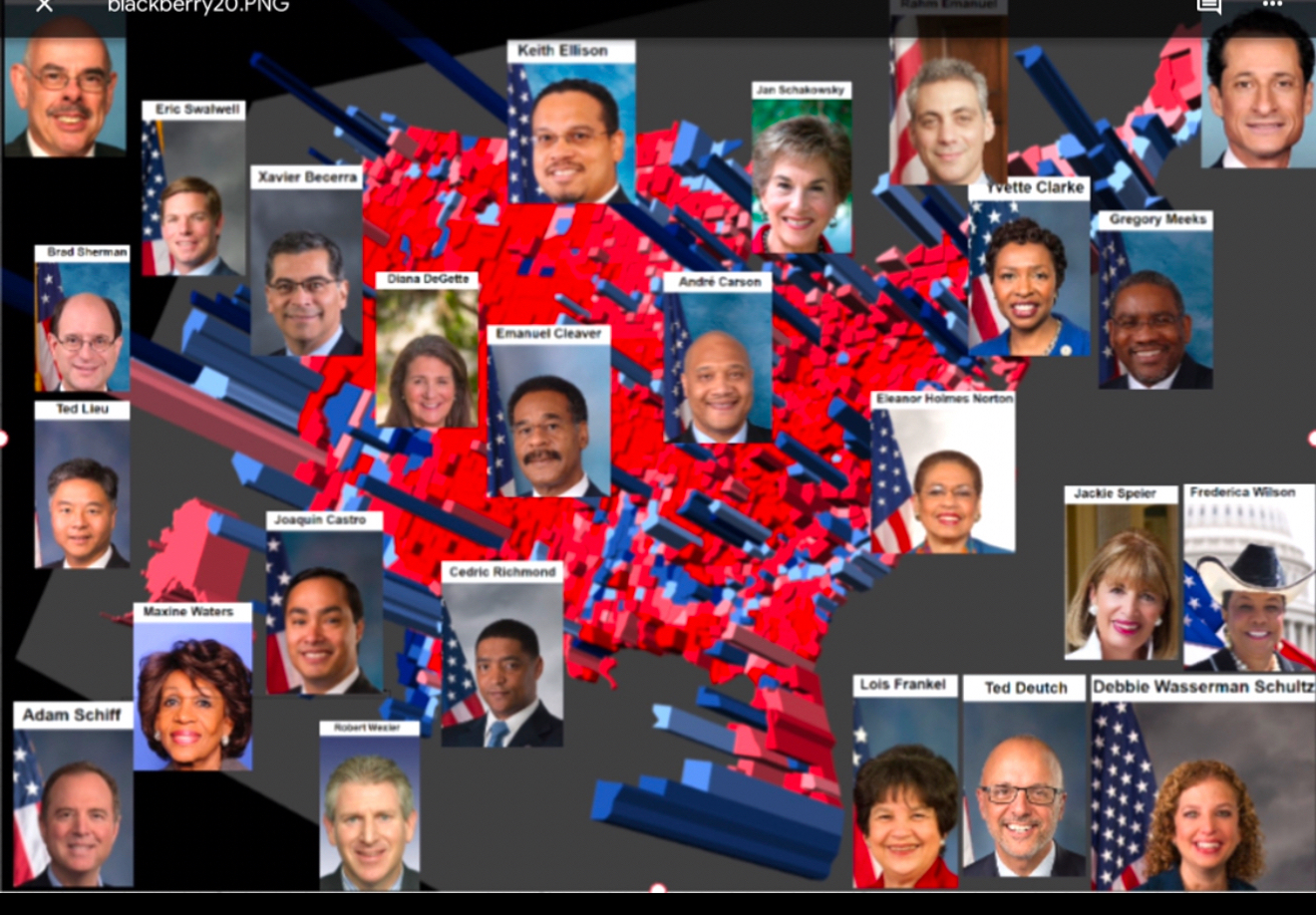
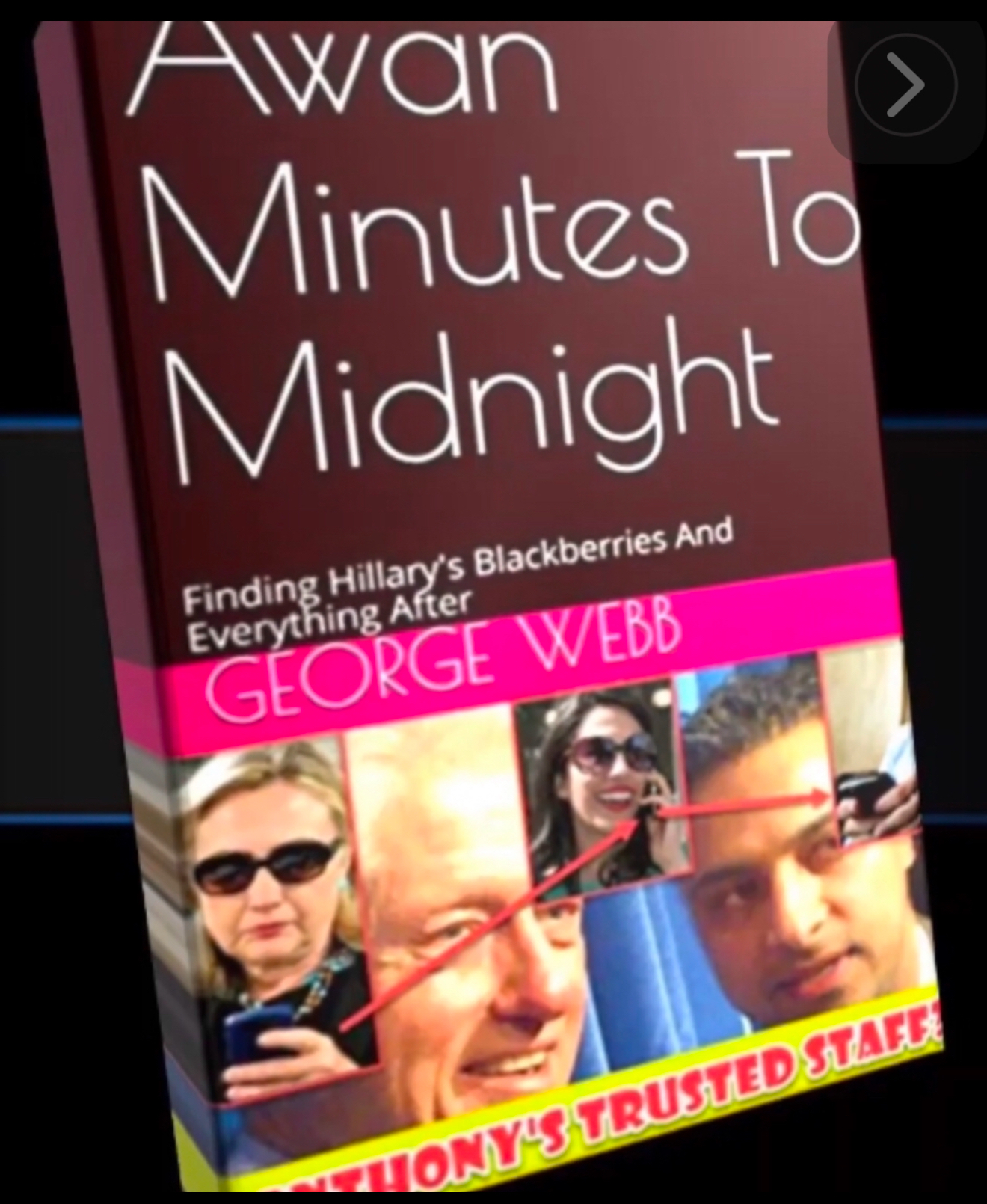
Encrypted Blackberry carriers in Congress, thirty five in all, all DNC
The earliest videos were little more than slide shows. Often the audience saw only documents, photographs, timelines, and occasionally my finger pointing at details on the screen. The production quality was minimal, but the goal was straightforward: present information and encourage people to ask questions.
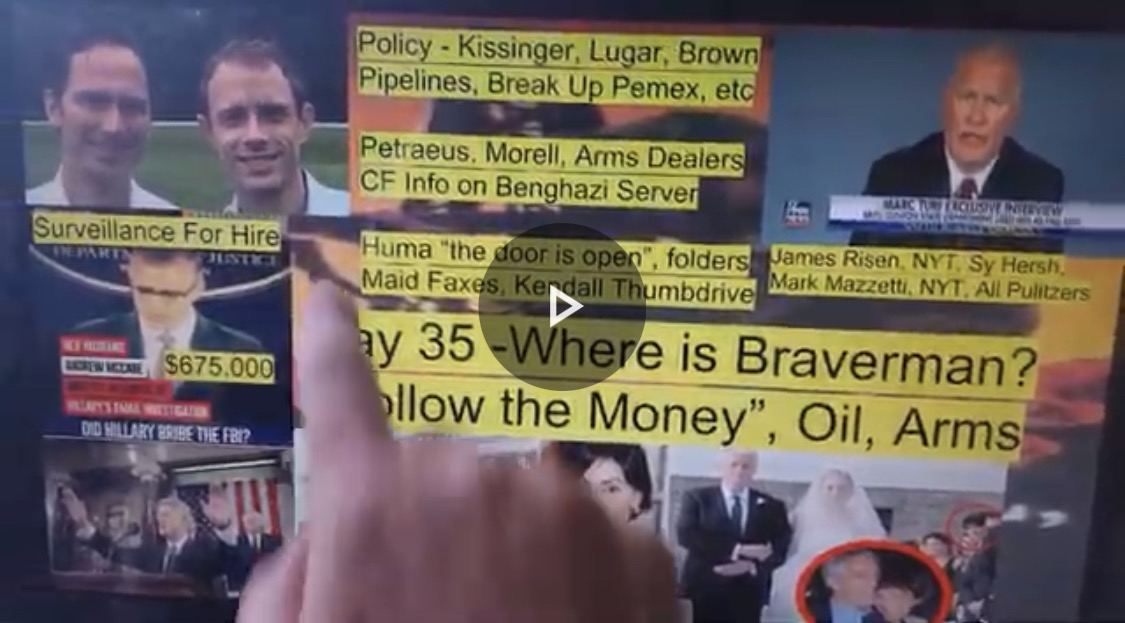
Unexpectedly, the audience grew.
Some viewers wanted more documentation. Others challenged my conclusions. Many simply wanted to know who I was.
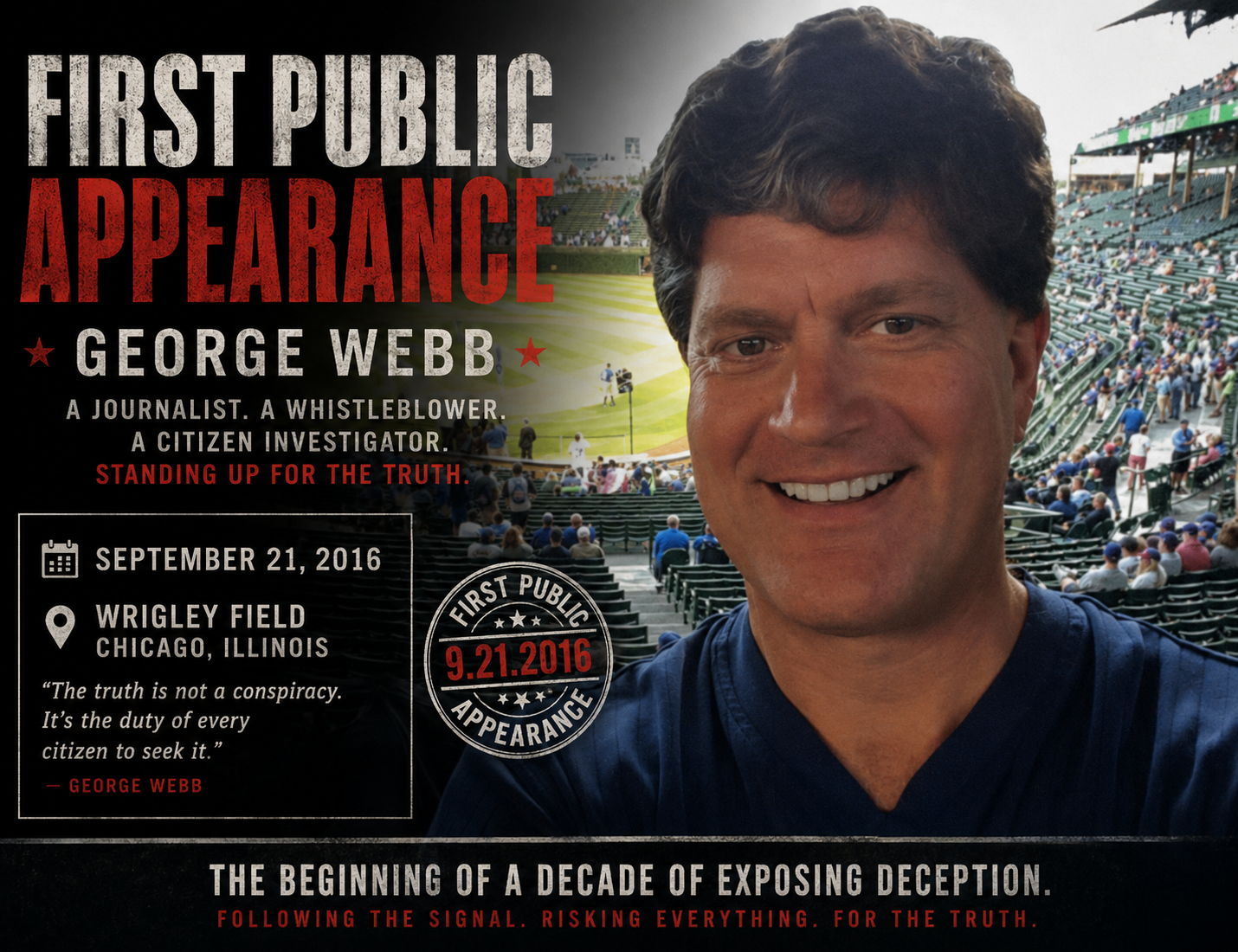
“Show your face,” they would say.
I had no problem doing that. September 21st, 2026, Wrigley Field in Chicago. I knew by identifying myself in the cradle of the Chicago mob and the DNC my days in high-tech were over forever that day.
I knew stalkers Wood relentlessly label me a conspiracy theorist, and make sure I never had a corporate job again from that moment on and I was right.
What surprised me was how many viewers urged me to go further. They argued that the story required on-the-ground reporting in Washington, D.C. If I truly believed unanswered questions existed, they said, I needed to leave my desk and investigate them directly.
That suggestion forced me to confront a difficult reality.
Moving to Washington would not simply be a change of address.
It would represent a complete break from my previous career, never to return.
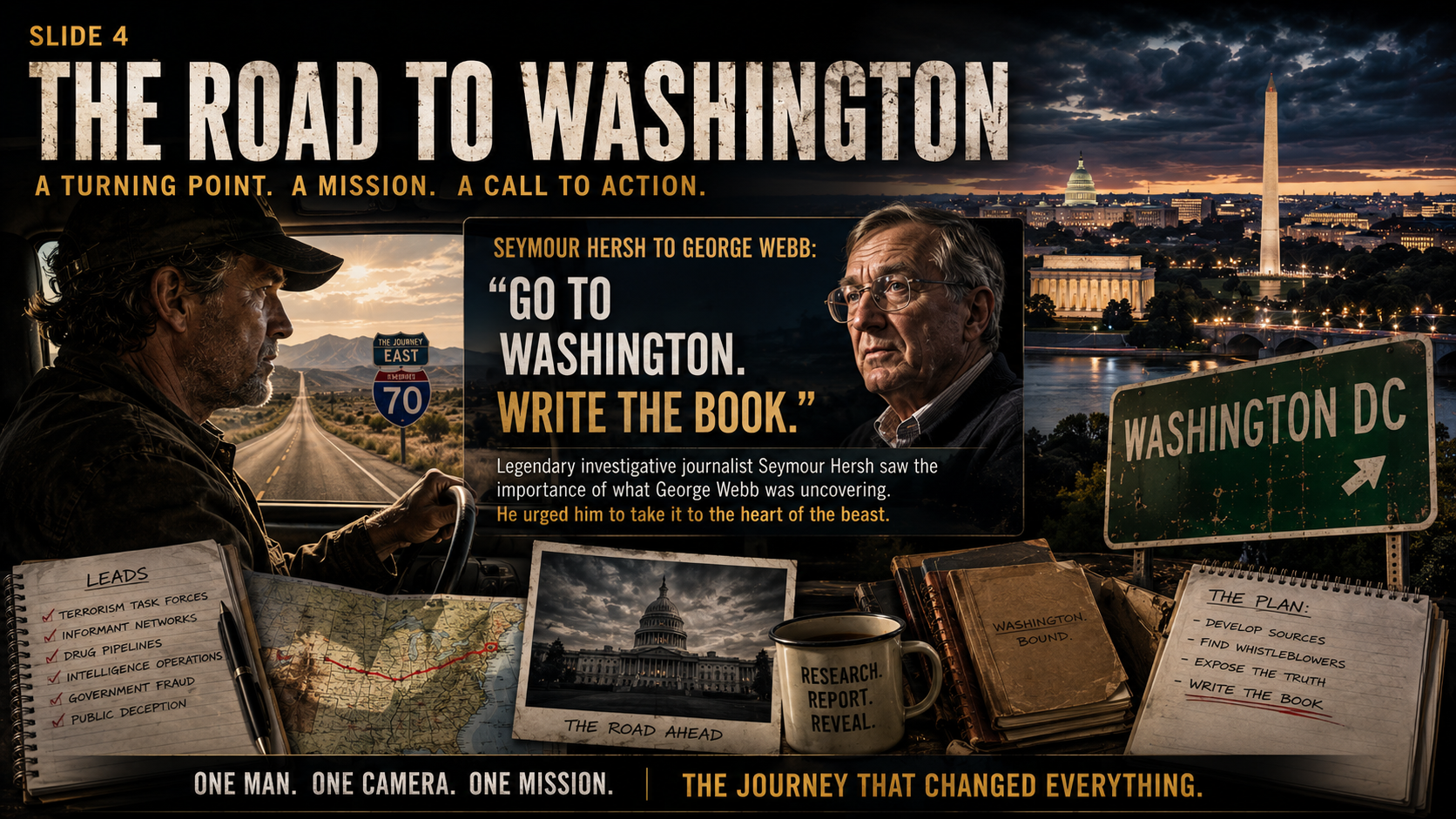
I understood the risks. Once I stepped away from the technology industry and entered the world of independent investigative journalism full time, there would likely be no easy return. The salaries, stock options, and corporate opportunities of Silicon Valley would be behind me.
The decision felt like crossing the Rubicon.
There are moments in life when a person realizes that choosing one path permanently closes another.
This was one of those moments.

Around this time, one of my readers helped arrange conversations with Pulitzer Prize-winning journalist Seymour Hersh.
The conversations were brief, but one remark stayed with me.
“Go to Washington, kid, go on the road,” he said.
“Write a book, kid.”
Whether he intended it as advice, encouragement, or simply an observation, the message landed with unusual force.
The questions I was pursuing seemed to connect to a much larger story involving cybersecurity, intelligence, surveillance, politics, and the architecture of modern power.
I did not yet know where that path would lead.
I only knew that blogging no longer felt sufficient.
If I wanted answers, I would have to pursue them directly.
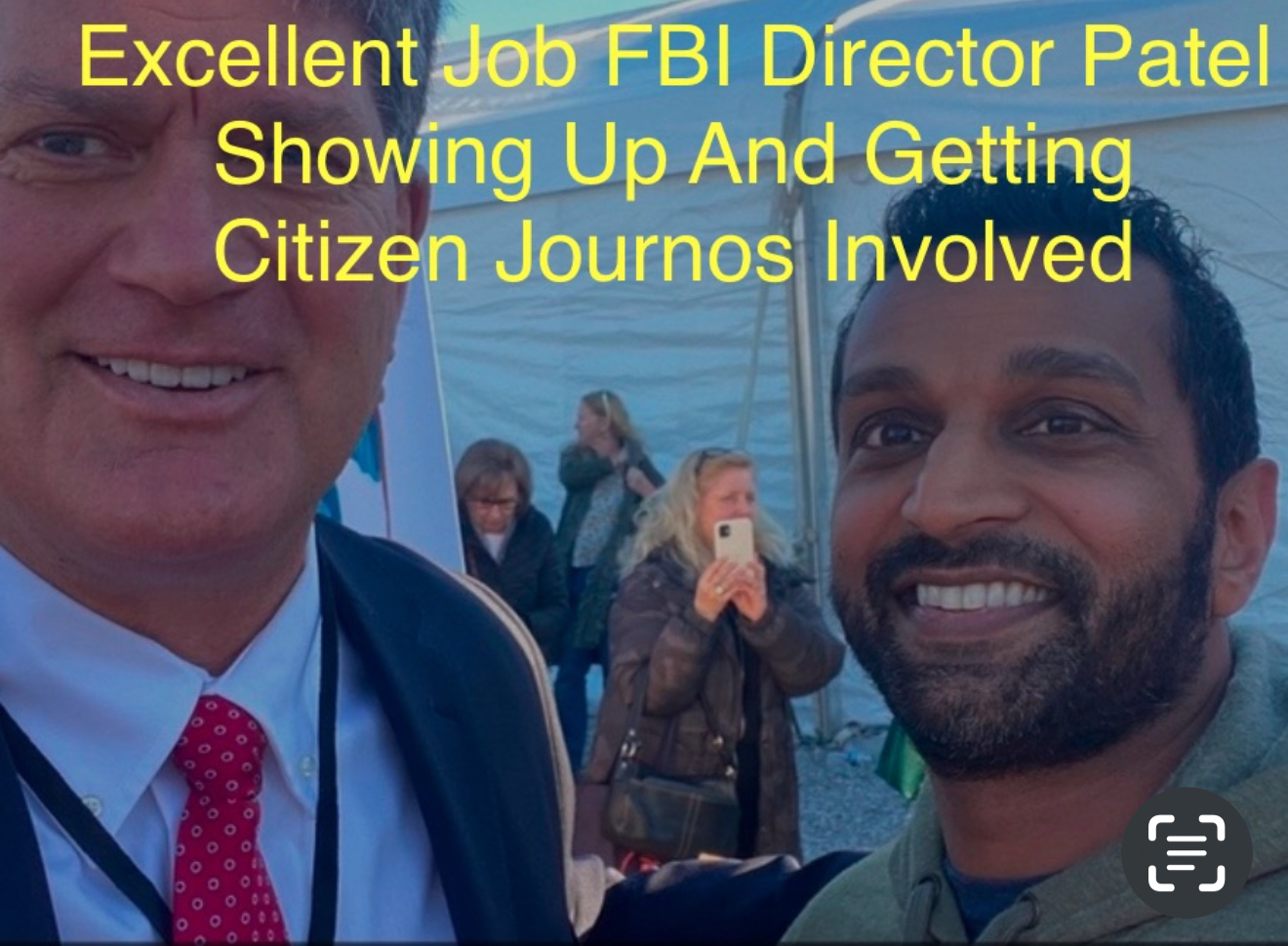
Over the next decade, I invested both time and money into that pursuit. By the end, the financial cost would be substantial. The personal cost would be substantial as well.
Whether history ultimately judges that investment as wisdom or folly is not for me to decide.
What I do know is that I never regretted asking questions.
The search for truth had become more important than comfort.
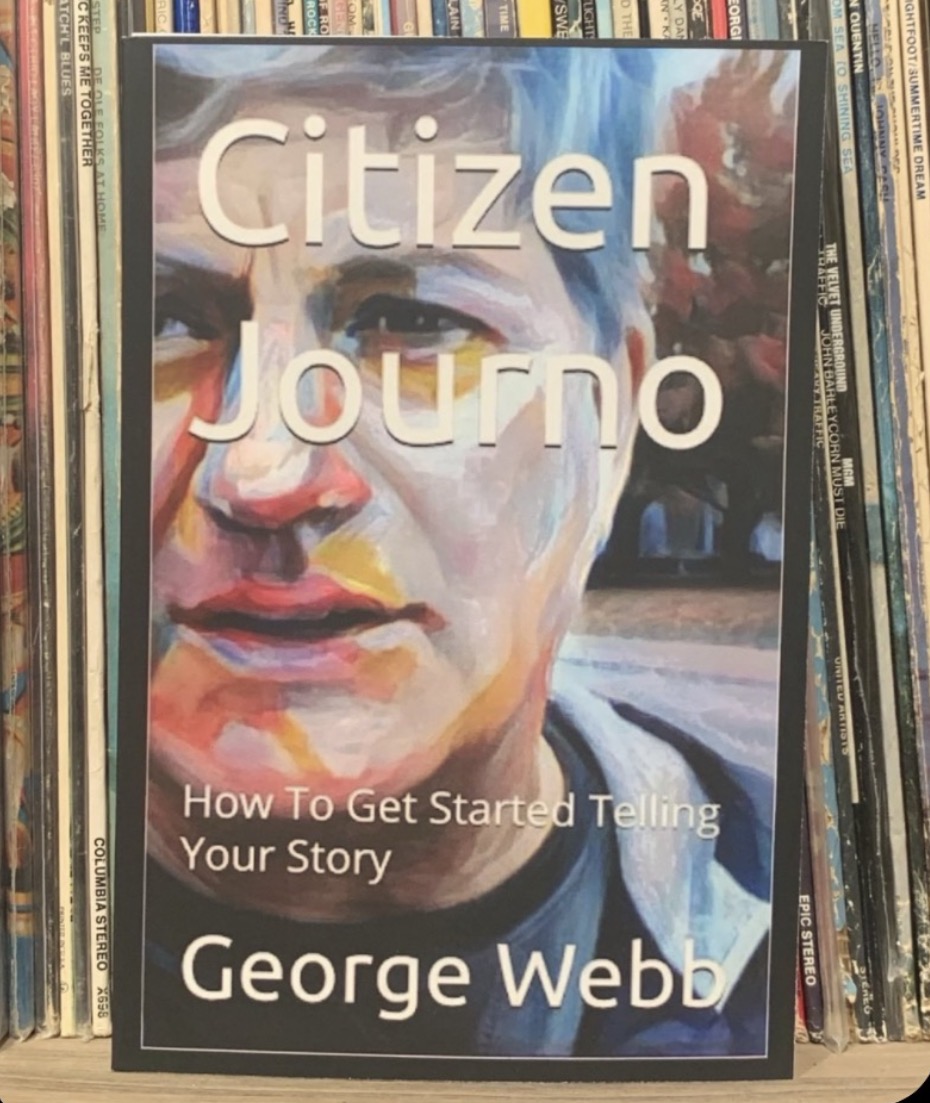
And the deeper I looked, the more I became convinced that the real story was larger than any single election, political party, or scandal.
The next chapter begins with one of the most consequential spy rings in history – the Awan Brothers Spy Ring, that I encountered during that journey. I learned how information moved through Washington, who had access to it, and what influence that access may have had on the course of American politics.


Leave a Reply