How My Years Of Part-Time investigationTurns Into A Full Time Mission
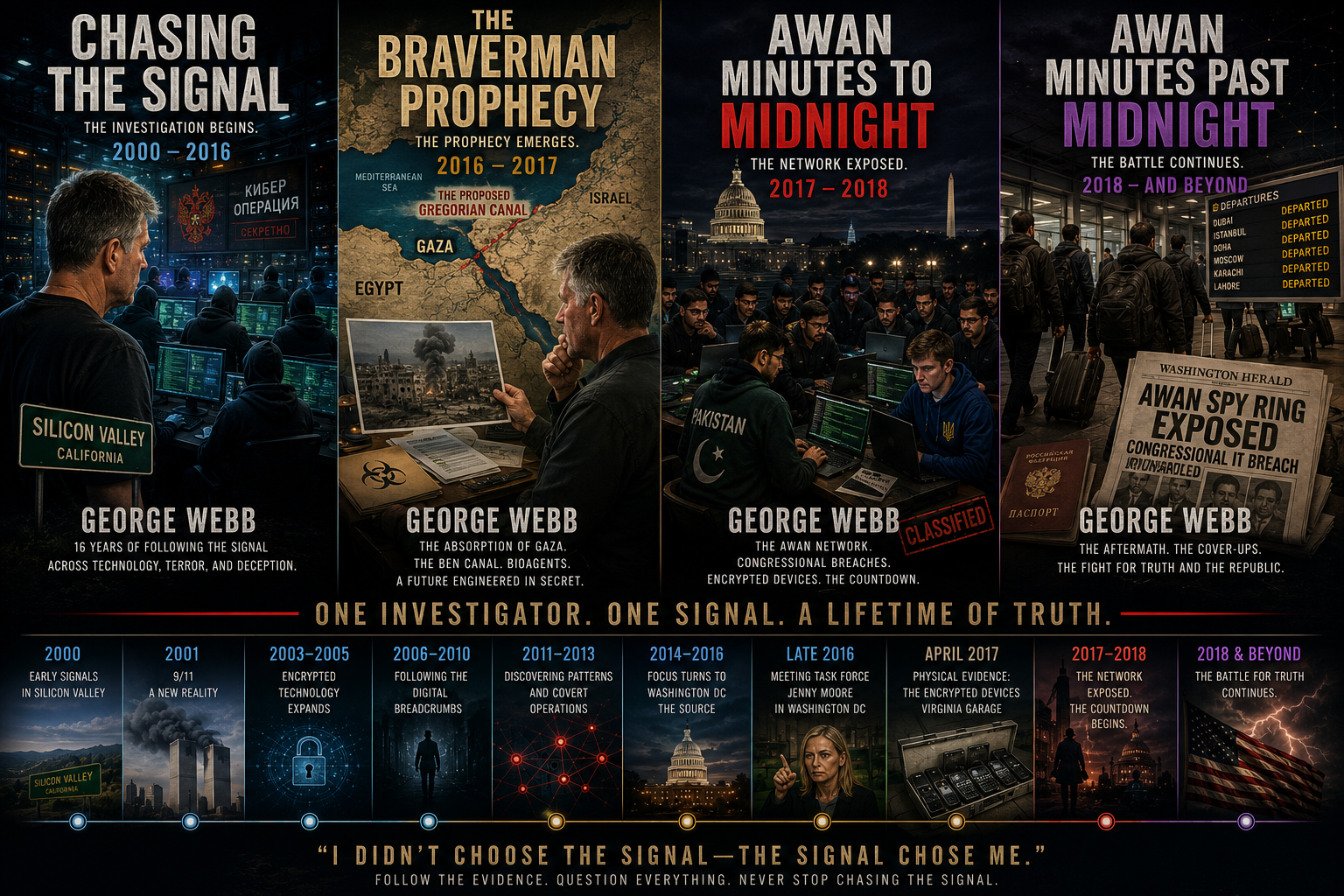
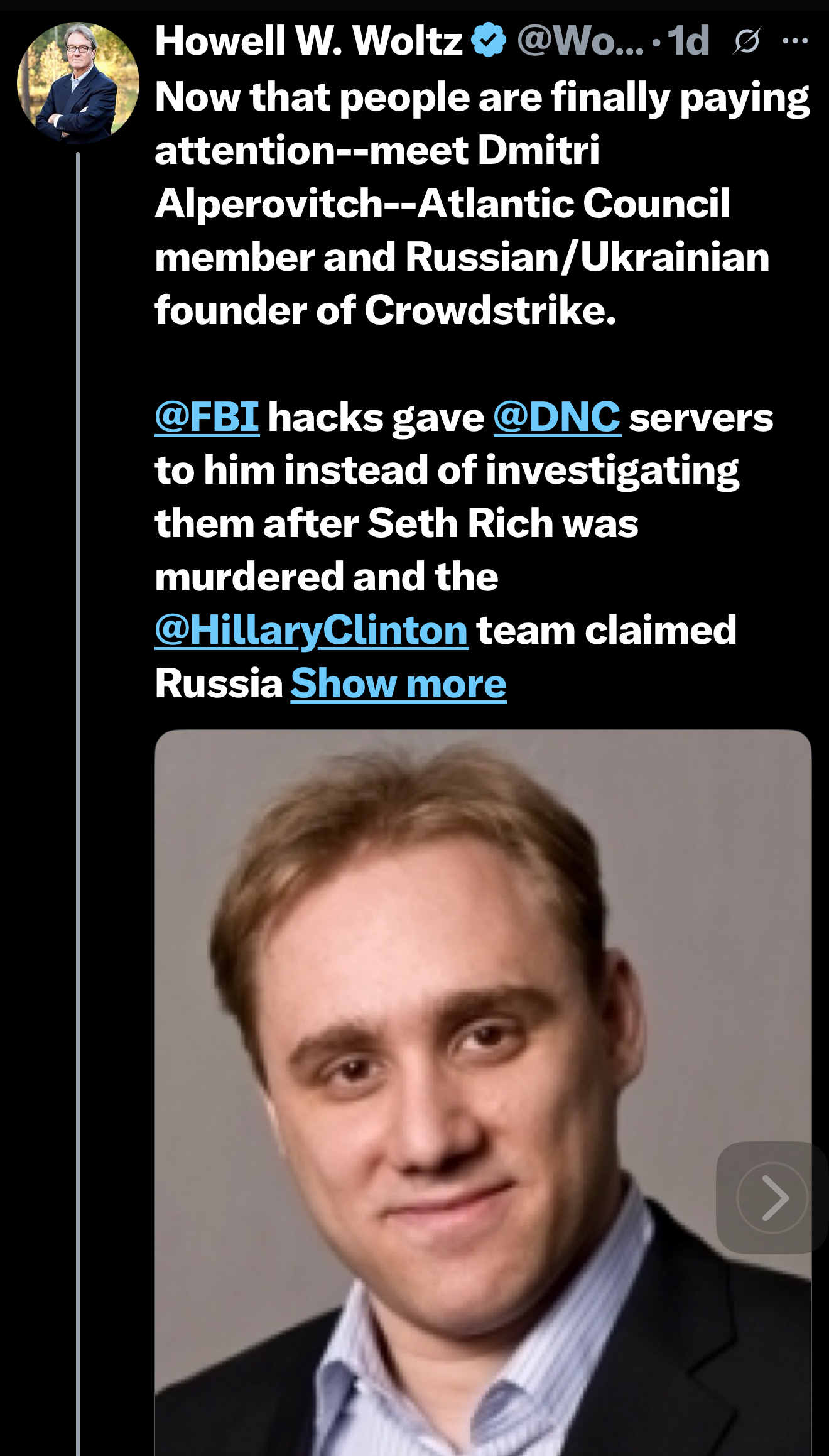
“Chasing The Signal” covers the time period from my discovery of Russian operative Dmitri Alperovitch writing backdoors for the NSA at Network Associates in 2000 to his DNC Hack Hoax with CrowdStrike in 2016. Thanks for reading – George Webb, May 2026.
Chasing the Signal — The Final Chapter
Every investigation begins with a question. Mine began with a signal. Russian hackers being brought in under US State Department sanction to write backdoors for the CIA.
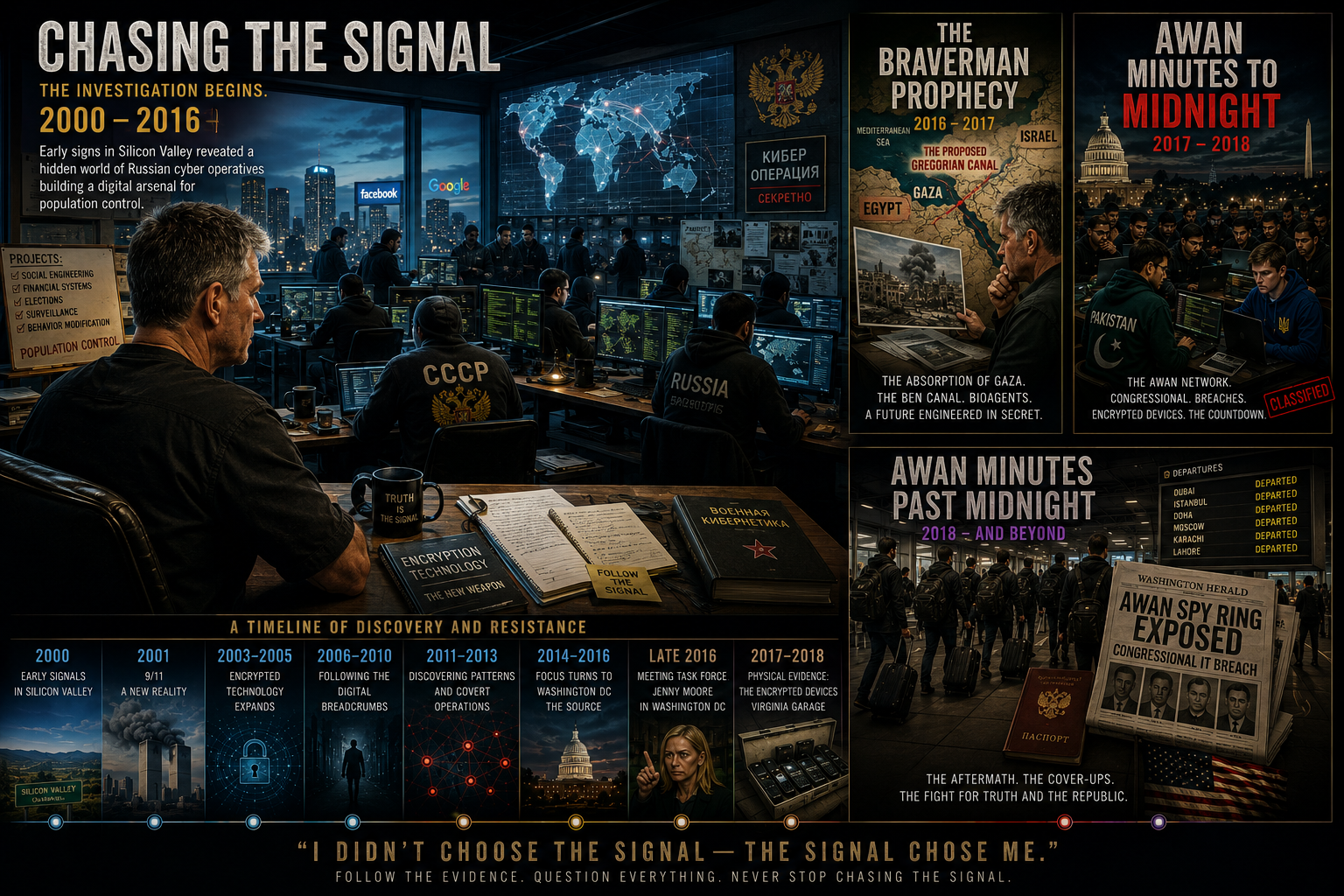
Long before I ever imagined writing books or spending years walking the streets of Washington, D.C., I was working in Silicon Valley.
My days revolved around enterprise software, networking, encryption, and the promise that technology would reshape the world. Like many people in high tech at the turn of the millennium, I believed innovation would primarily bring people together.
But every technology has two faces. And when Henry Kissinger is one of the faces, something bad is going to happen.
As I learned more about secure communications, intelligence contracting,and the growing intersection between government and private industry, I began calling out patterns that, in my view, deserved far more scrutiny than they were receiving.
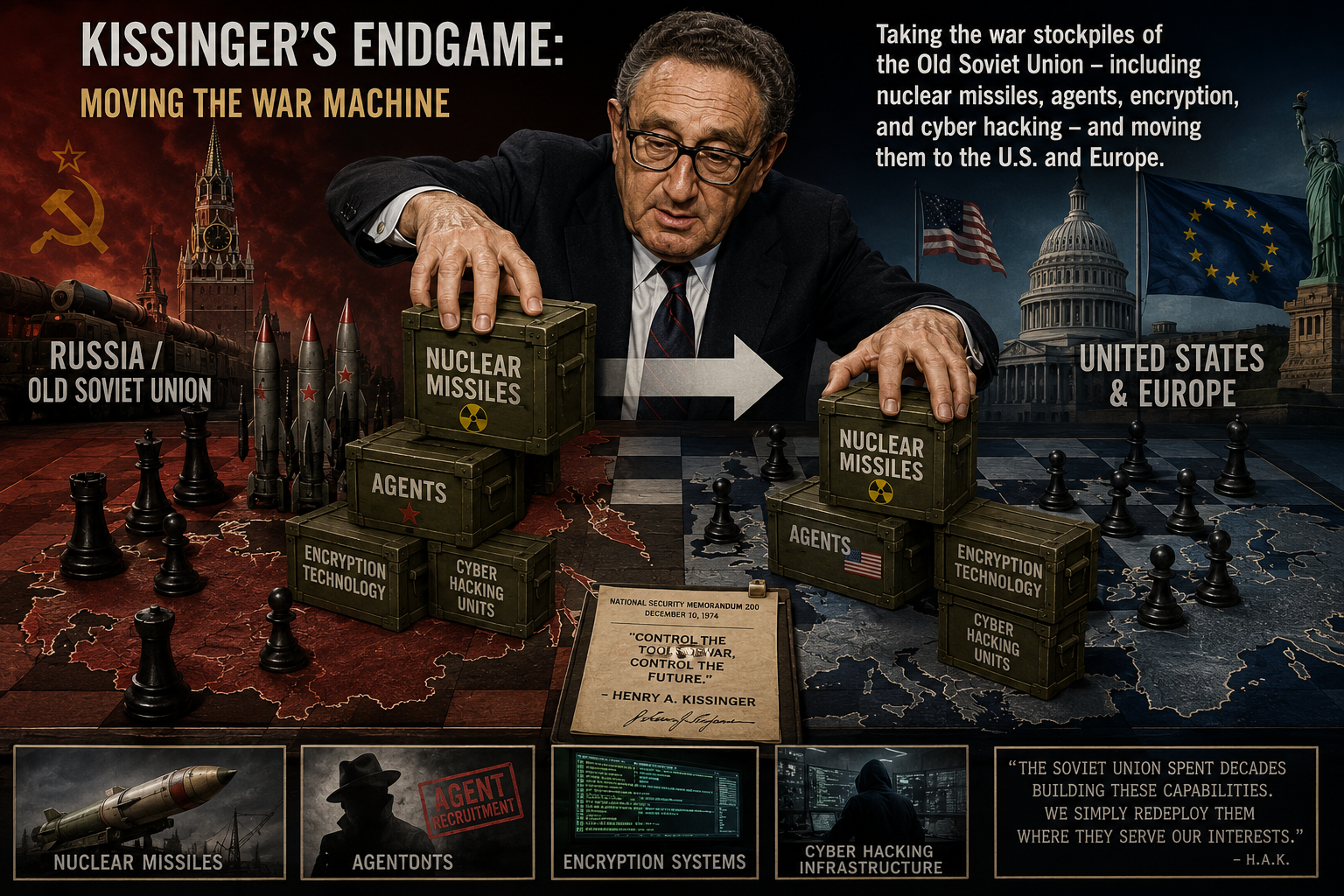
I wondered whether expertise from the former Soviet cyber world had been finding its way into Western intelligence and commercial systems, and whether the geopolitical bargains of the late Cold War had created unintended consequences, and opportunities for the Atlantic Council and Henry Kissinger.
Those questions eventually led me to study the diplomatic legacy of Henry Kissinger, not because I believed I had definitive answers, but because I wanted to understand how technology, intelligence, and foreign policy had become so intertwined.
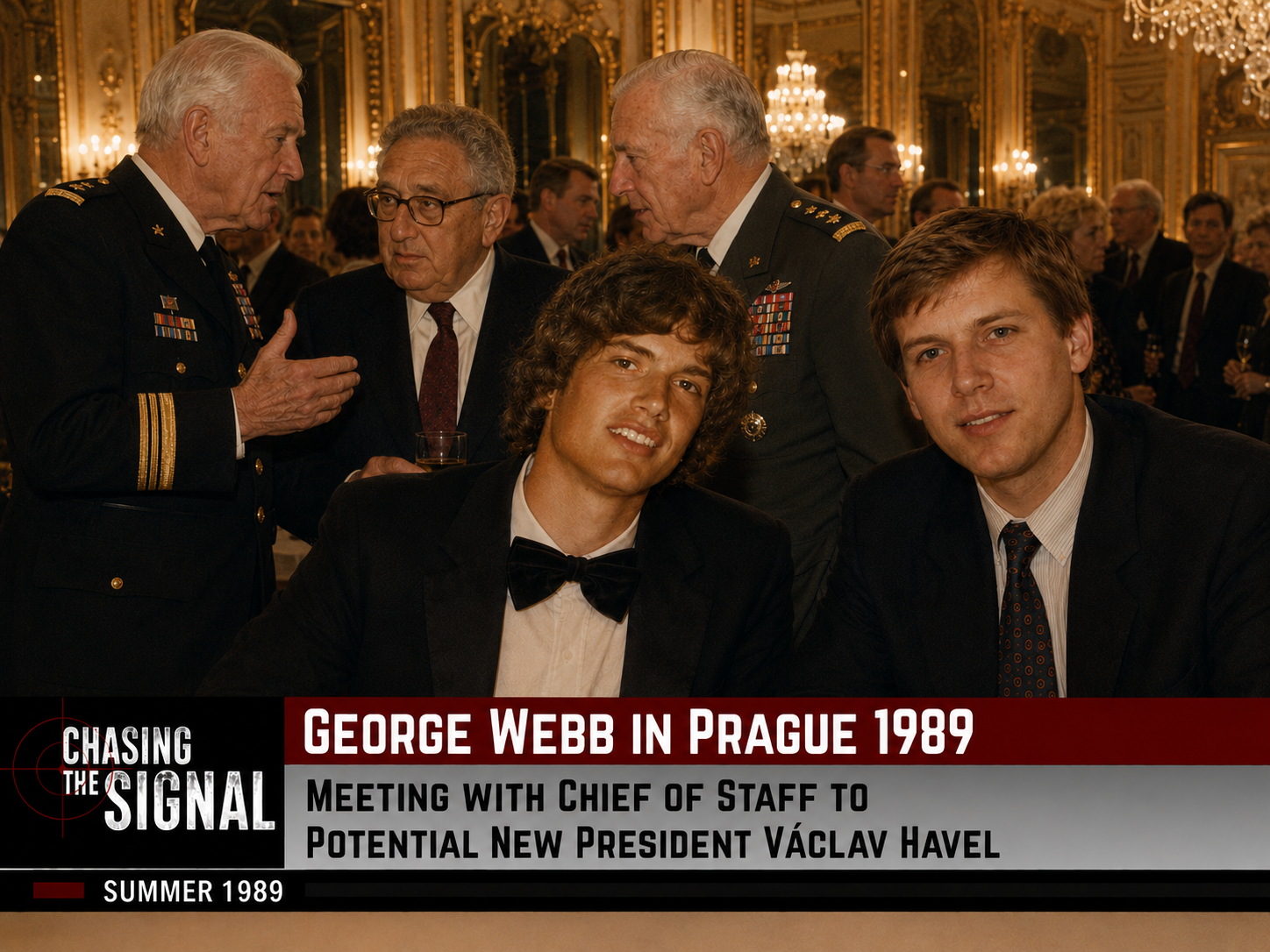
Those early observations became the first signal.
Then came September 11, 2001.
Like millions of Americans, I watched the attacks unfold in disbelief.
As the years passed, I found myself asking questions about intelligence failures, communications, and the technologies that existed before the attacks. I explored whether encrypted communications and covert networks might have played a larger role than was publicly understood.
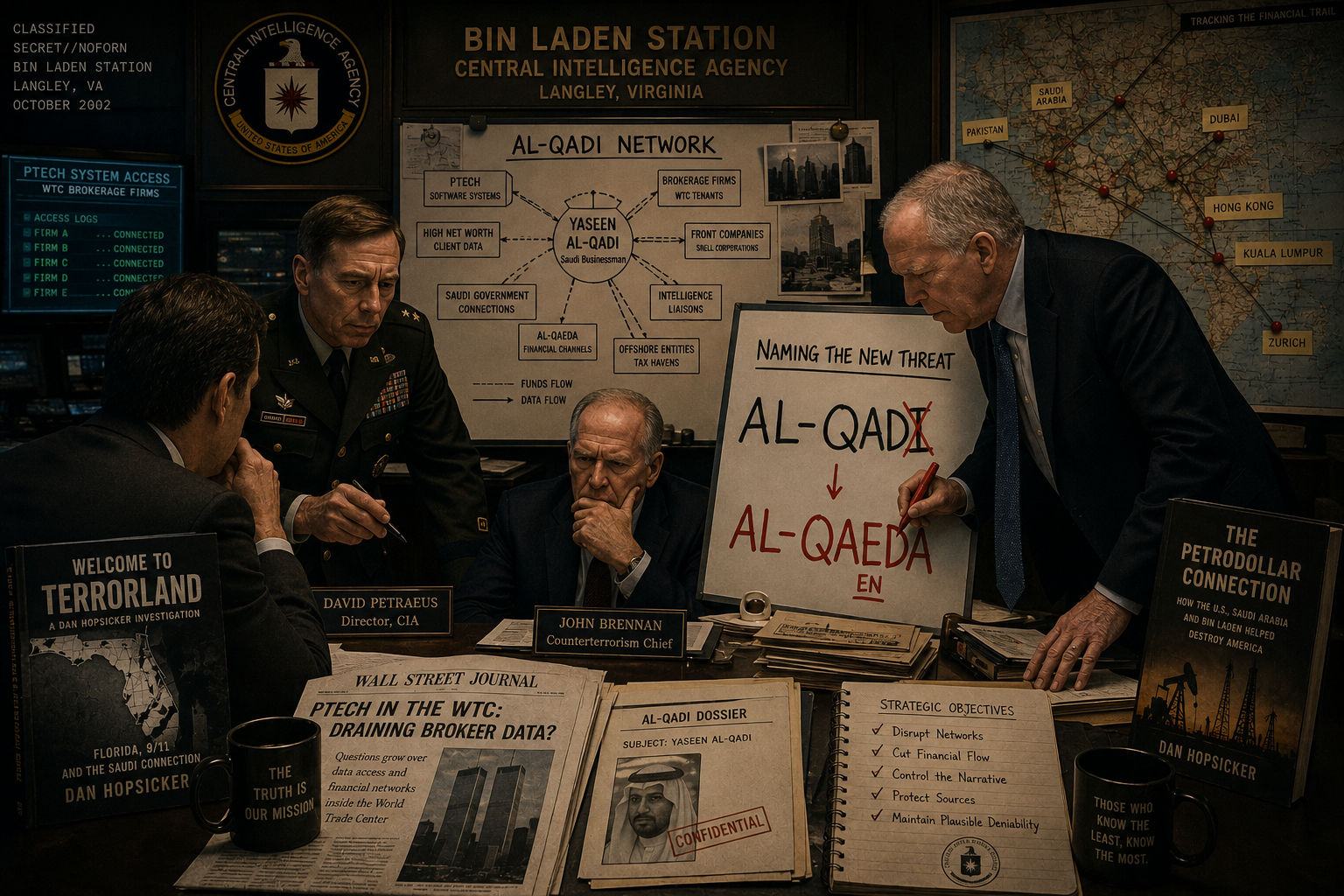
Many of those questions remain controversial, and many have never been conclusively answered. They nevertheless became the driving force behind my research.
That moment changed the trajectory of my life.
For sixteen years I lived two careers.
By day I worked in high technology, building relationships, helping companies grow, and participating in an industry that rewardedinnovation, optimism, and financial success.
Nights, weekends, airports, and hotel rooms belonged to another life entirely—a life spent reading court records, following financial trails, interviewing sources.
I was trying to connect fragments of information that seemed unrelated until viewed together.
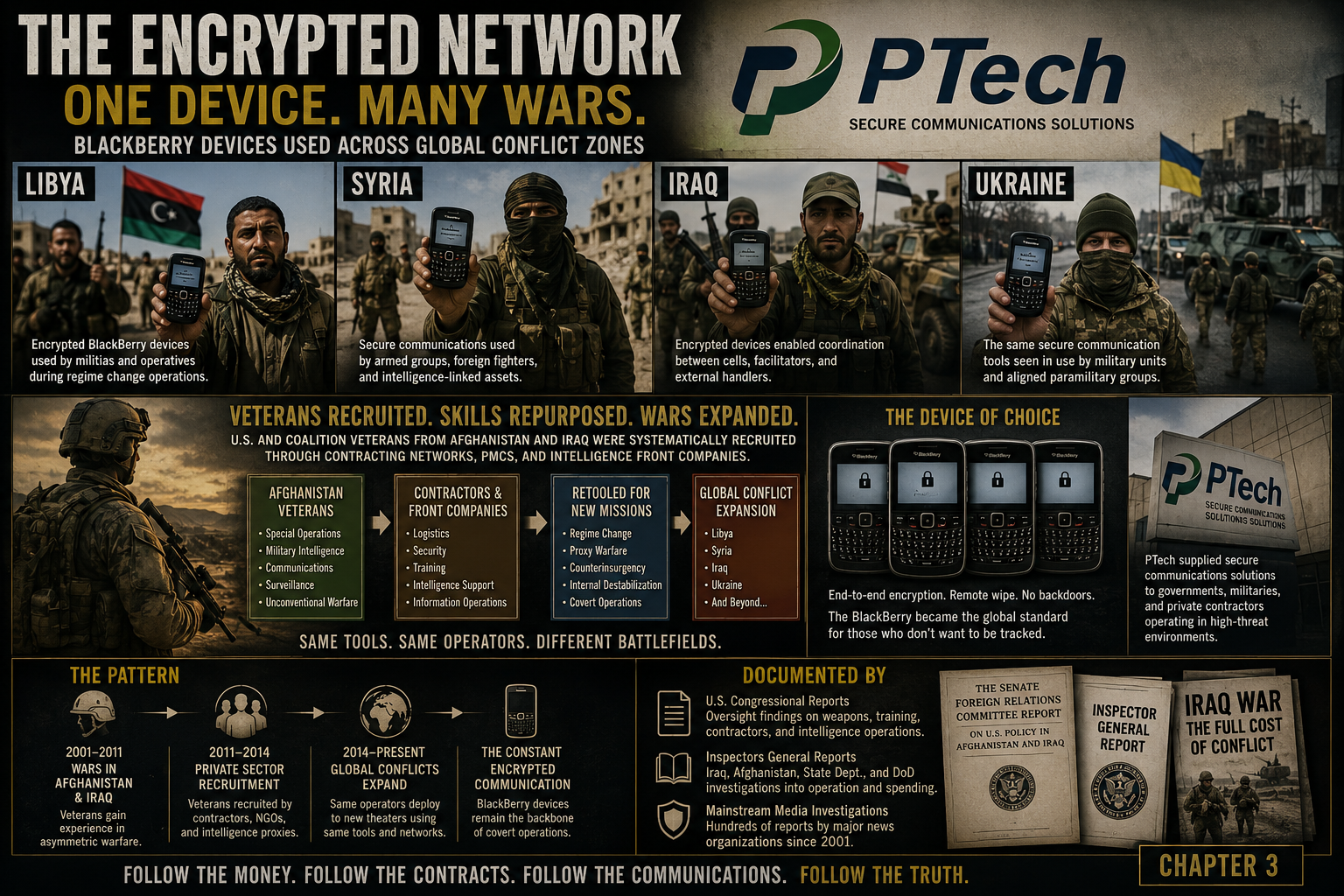
The farther I followed the signal, the less interested I became in stock options and corporate promotions.
Eventually, the investigation became impossible to ignore.
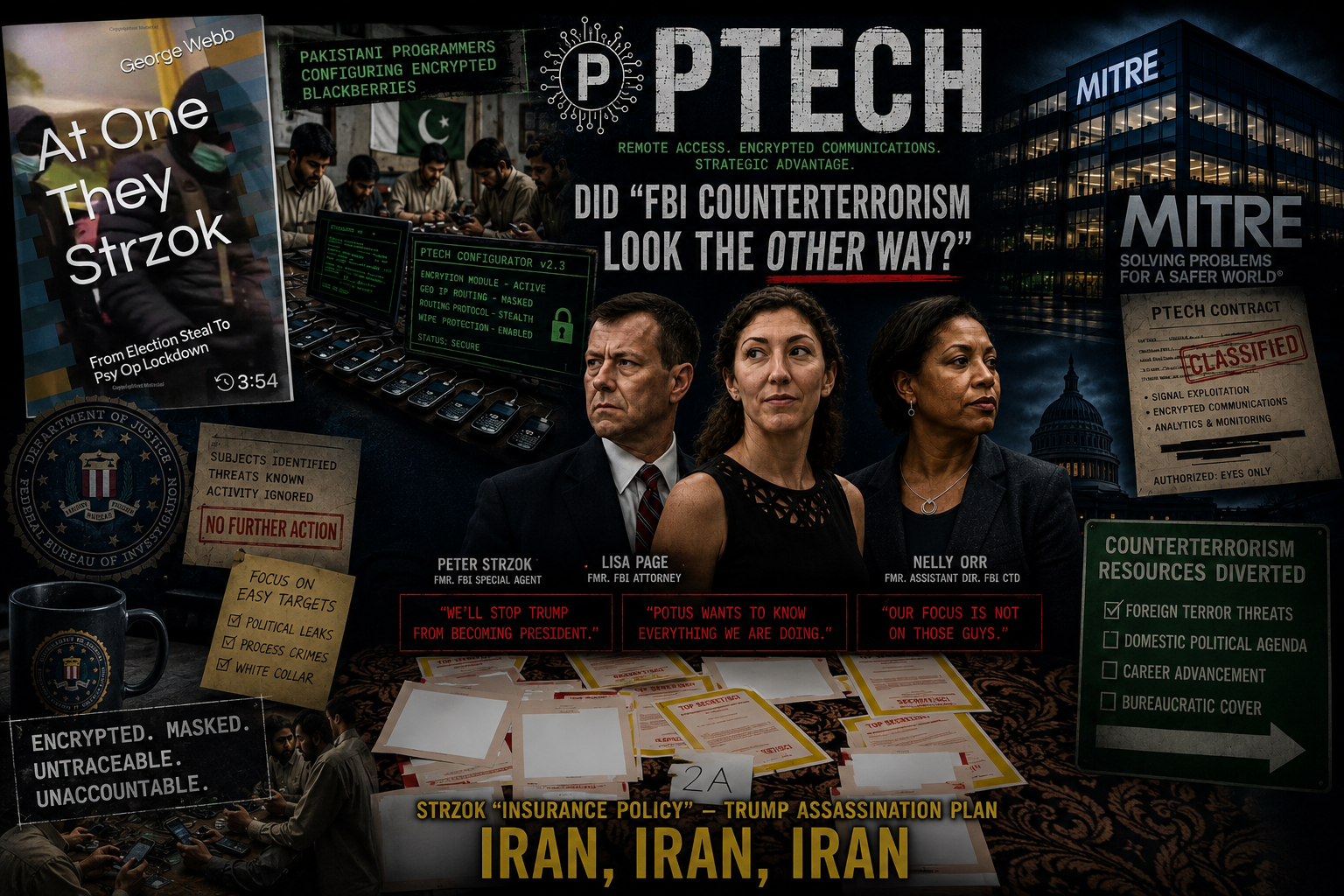
Conversations with sources, independent researchers, and eventually the Pulitzer Prize-winning journalist Seymour Hersh convinced me that if I wanted answers, I needed to be where decisions were being made.
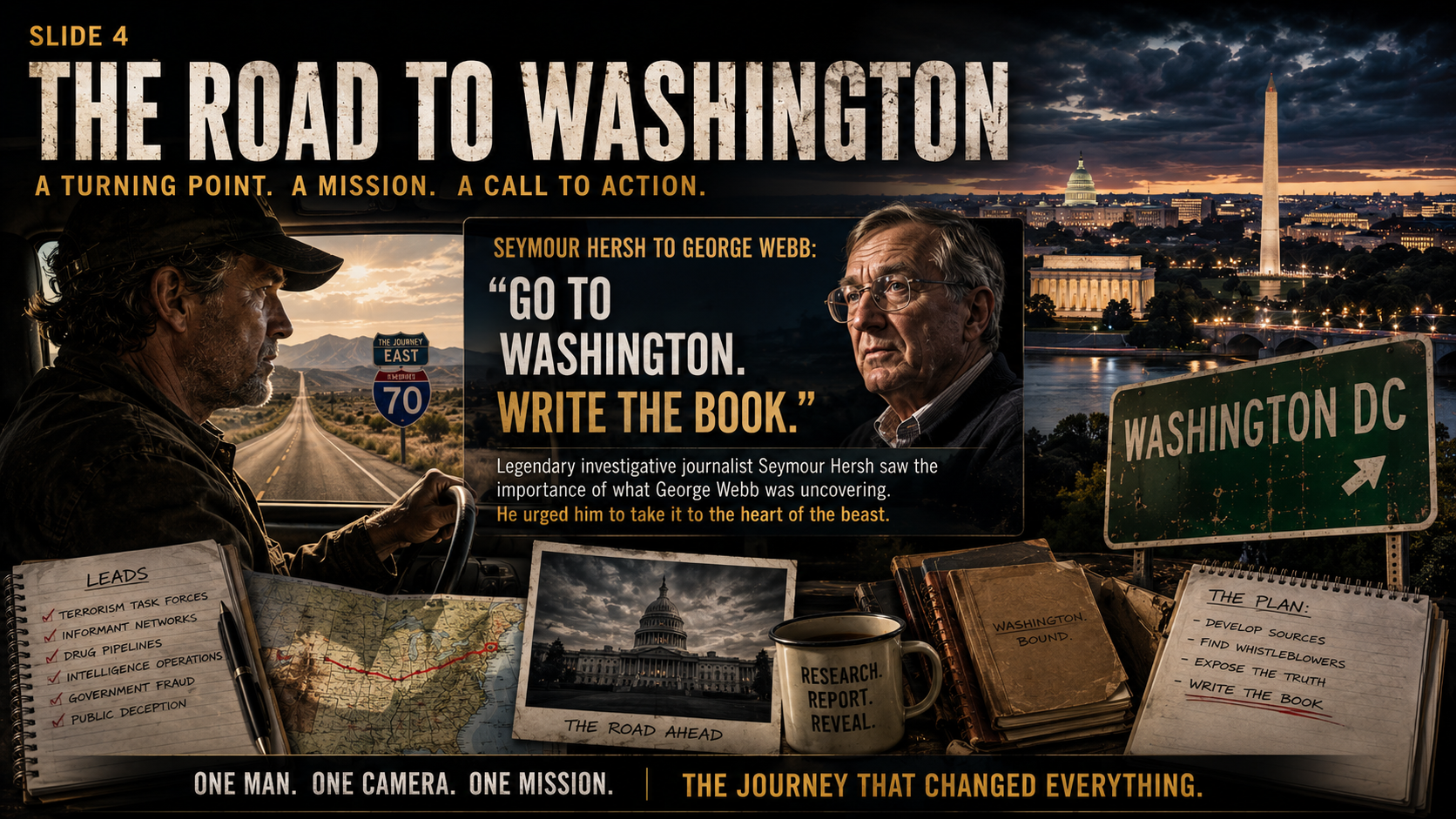
Washington wasn’t simply another destination.
It was the source.
So I left Silicon Valley.
Looking back, that decision was my personal Rubicon.
Crossing it meant giving up the predictable life I had built over decades. I exchanged conference rooms for bus terminals, airport floors, borrowed couches, inexpensive motel rooms, and endless miles under rolling train wheels.
Investigative journalism is rarely glamorous. More often it is lonely. Many nights were spent sleeping under fluorescent lights in transportation hubs, carrying cameras, notebooks, and laptops instead of business presentations.
The transition was not simply professional.
It was personal.
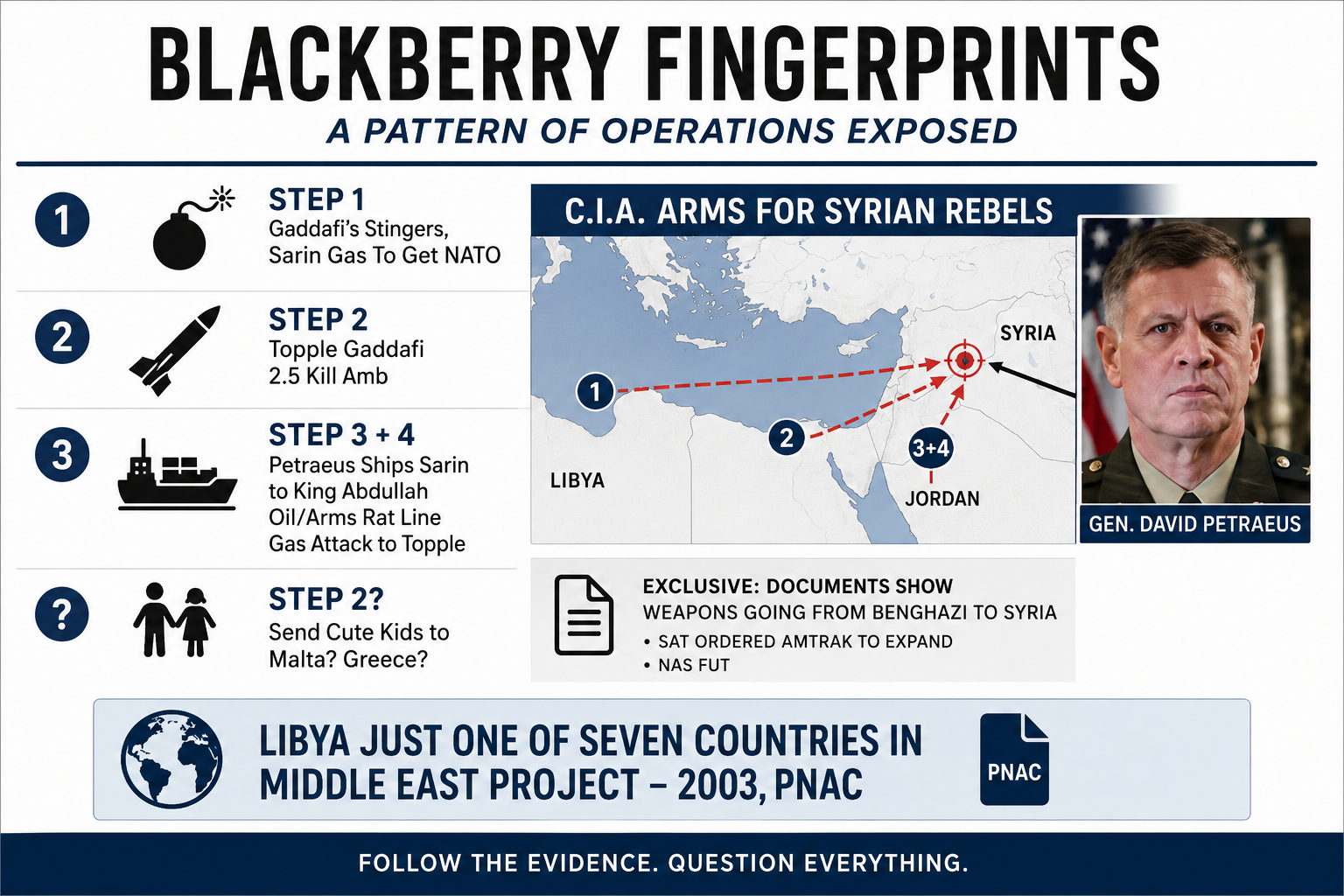
You see the same CIA operatives that carried out operations in Libya and Syria like Joe Kent now our managing social media influencers.

A 2016 Slide about Libya and Syria from George Webb.
Once you begin asking difficult questions—whether about government,corporations, or powerful institutions—you discover that your reputation changes. Friends become cautious. Employers become hesitant. Doors that once opened easily begin closing without explanation.
Whether deserved or not, even the perception that you have attracted the
attention of federal investigators can become professionally isolating.
In many industries, controversy alone is enough to make someone appear risky. I came to understand that investigative reporting often carries costs that are impossible to calculate in advance.
By early 2017, I believed I had reached a turning point in my research.
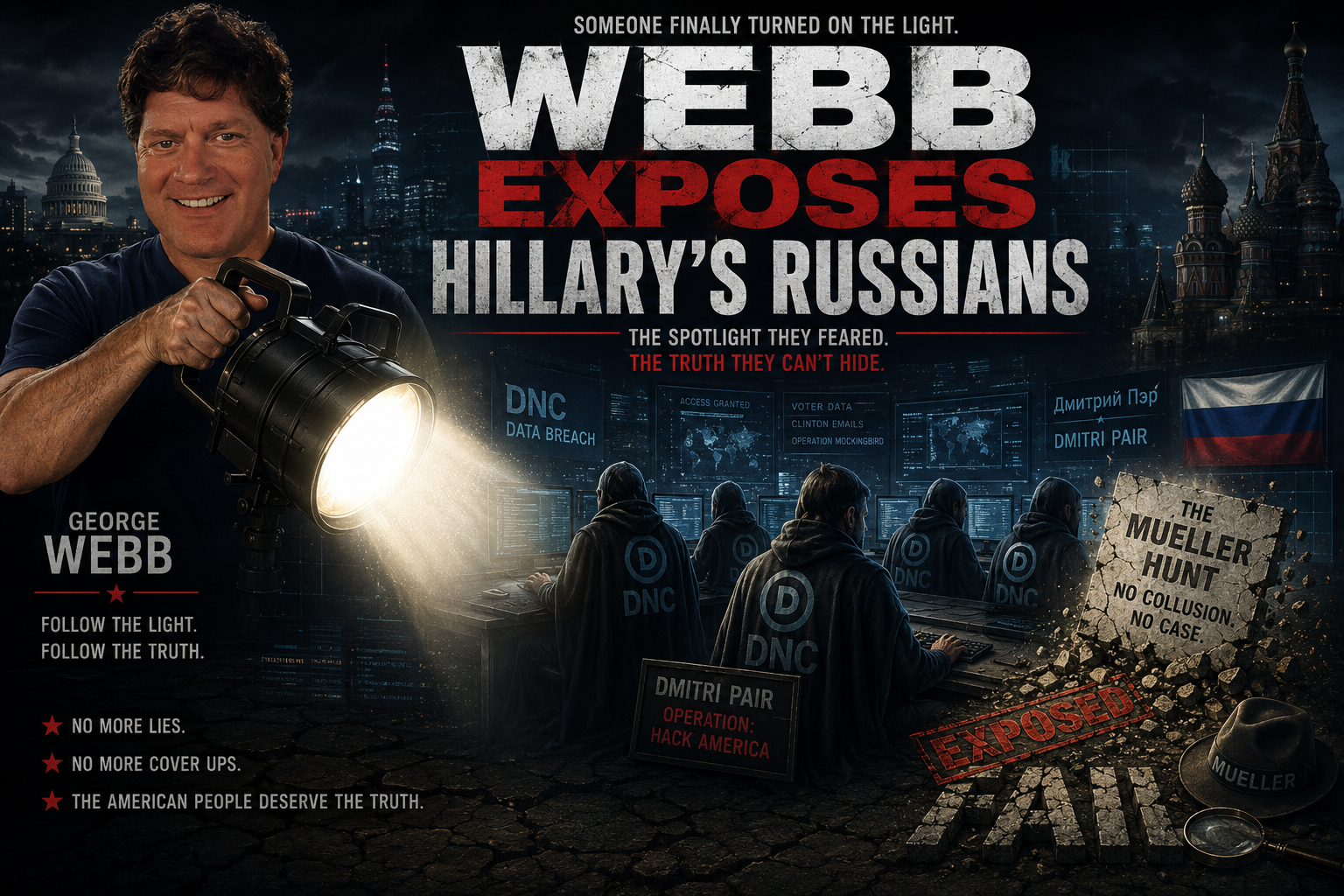
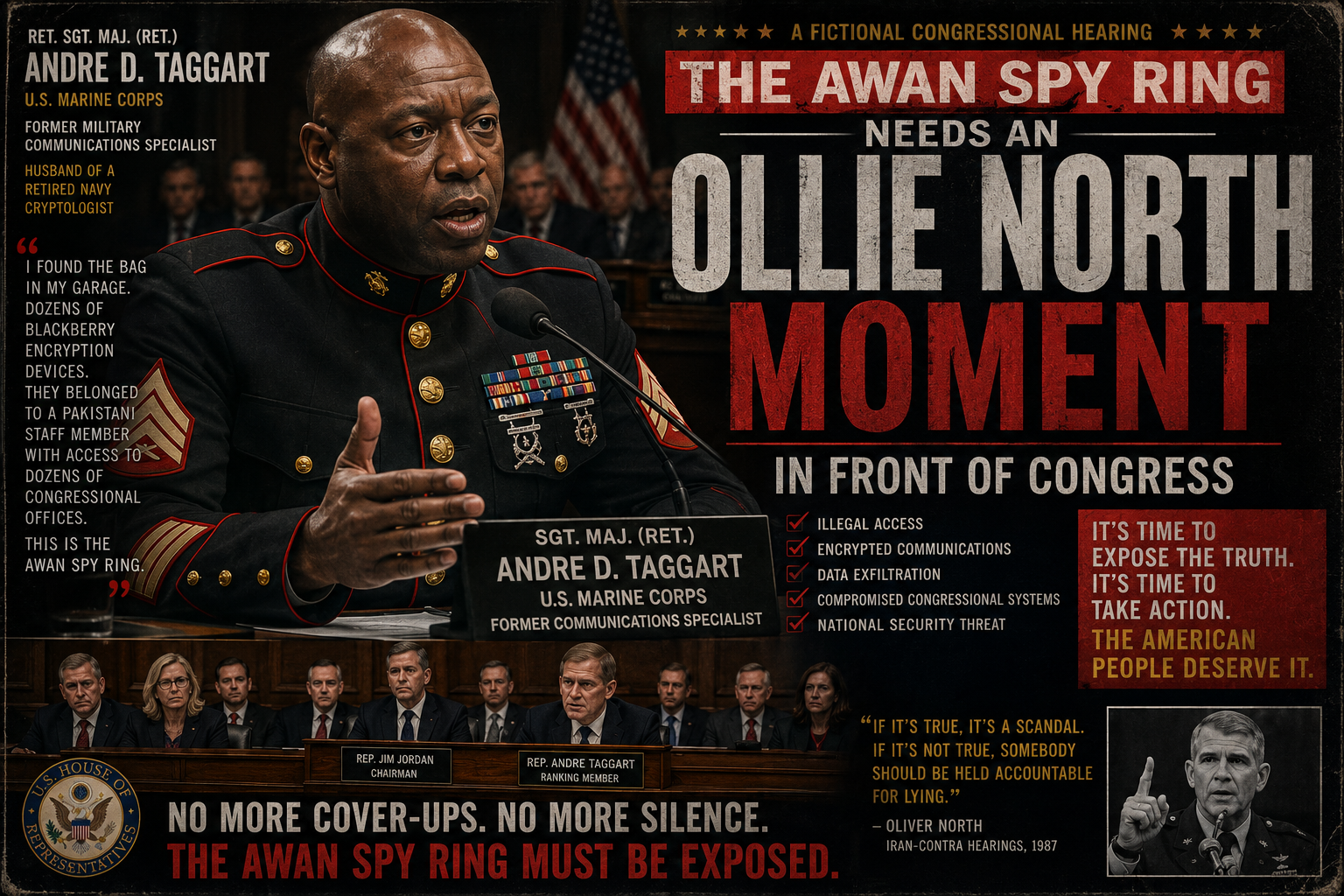
Following digital breadcrumbs and publicly available information, I traced the Awan Spy Ring encrypted devices stolen from Congress the night of Trump Inuguration in 20-7. That was an important encrypted communications network that connected many of the themes I had been studying for years.
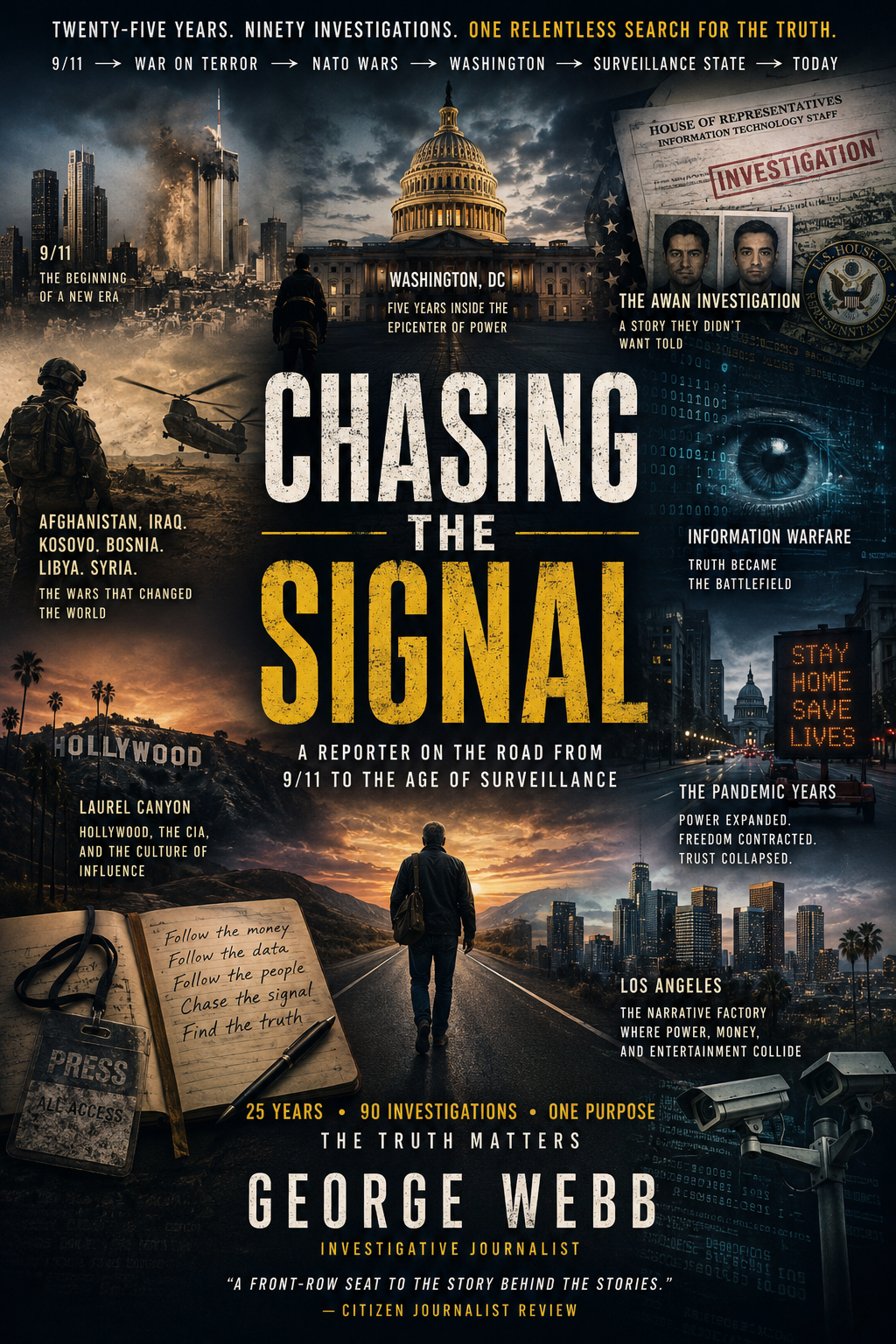
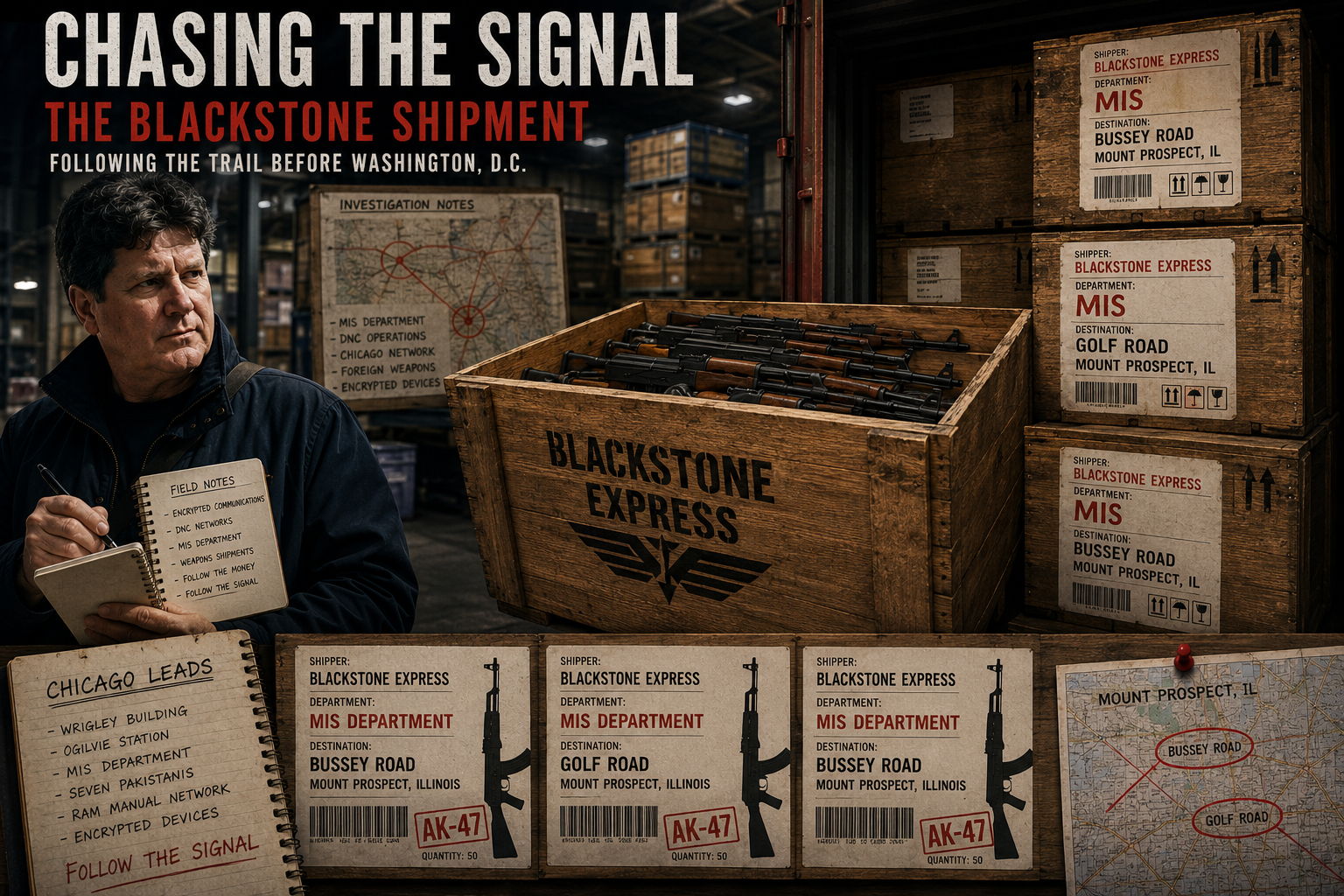
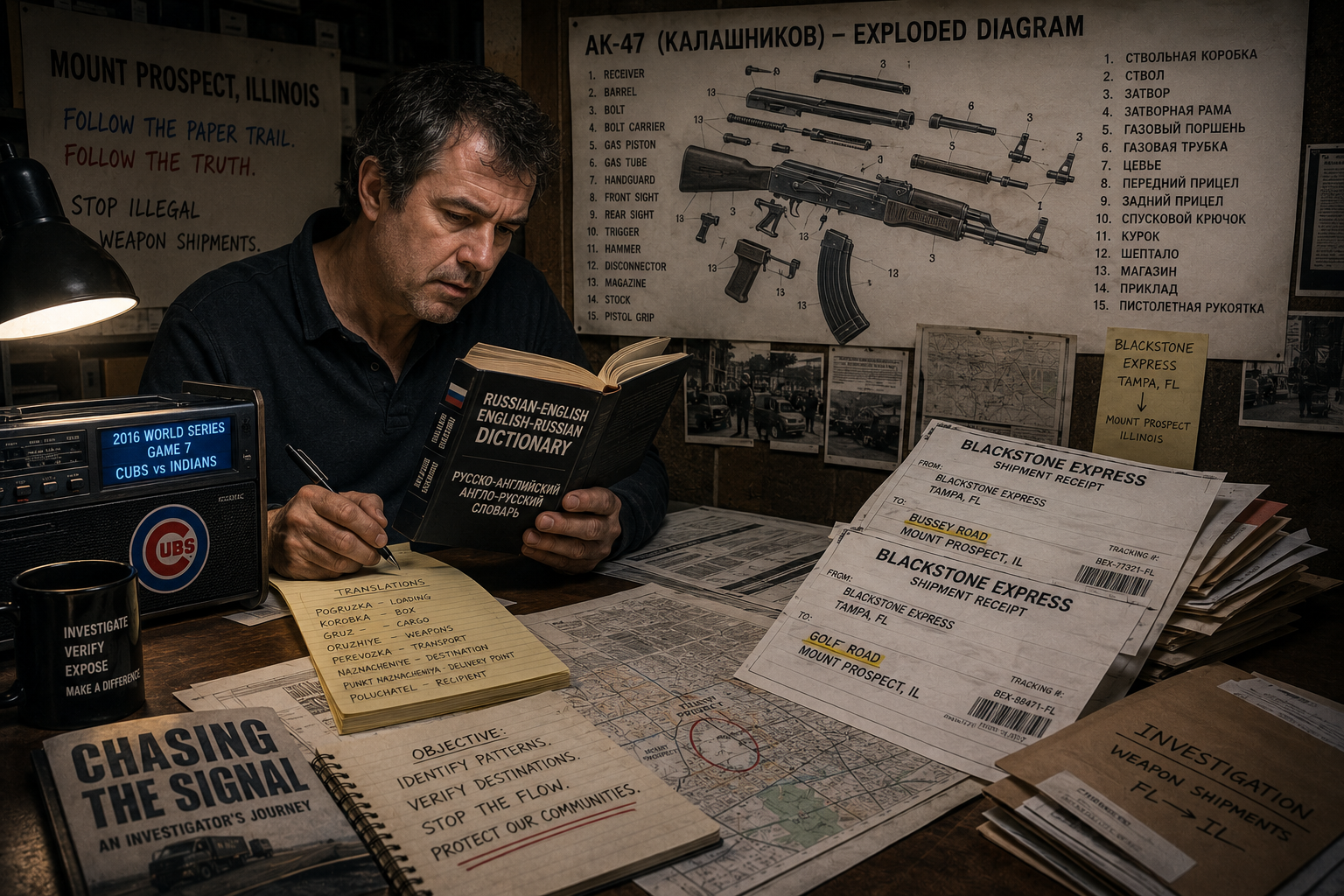
Those investigations, along with discoveries I believed significant at the time, became the foundation for Chasing the Signal. Readers can examine the publicly available records, compare competing interpretations, and decide for themselves what conclusions, if any, should be drawn.

That was never the end of the story.
It was the beginning.
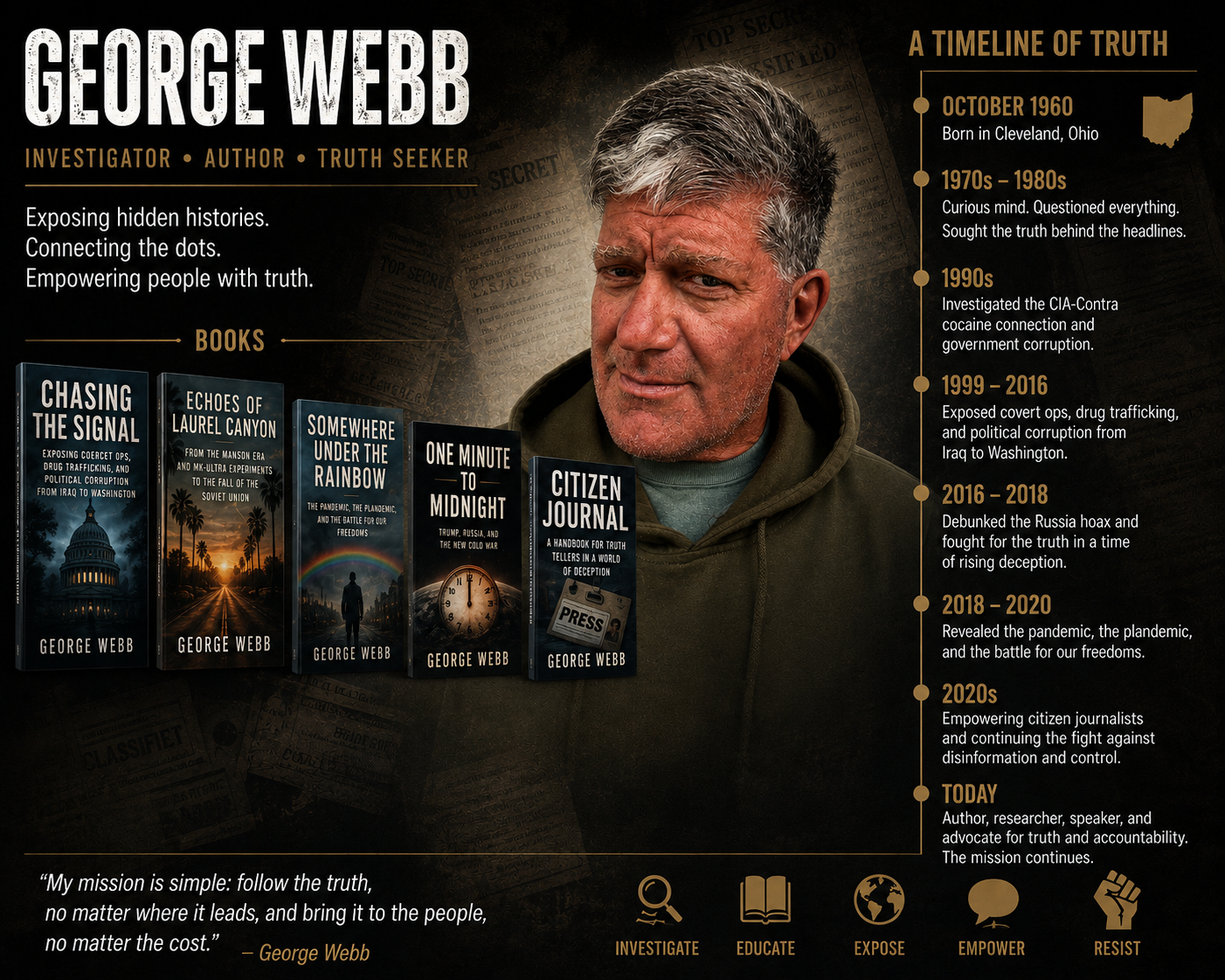
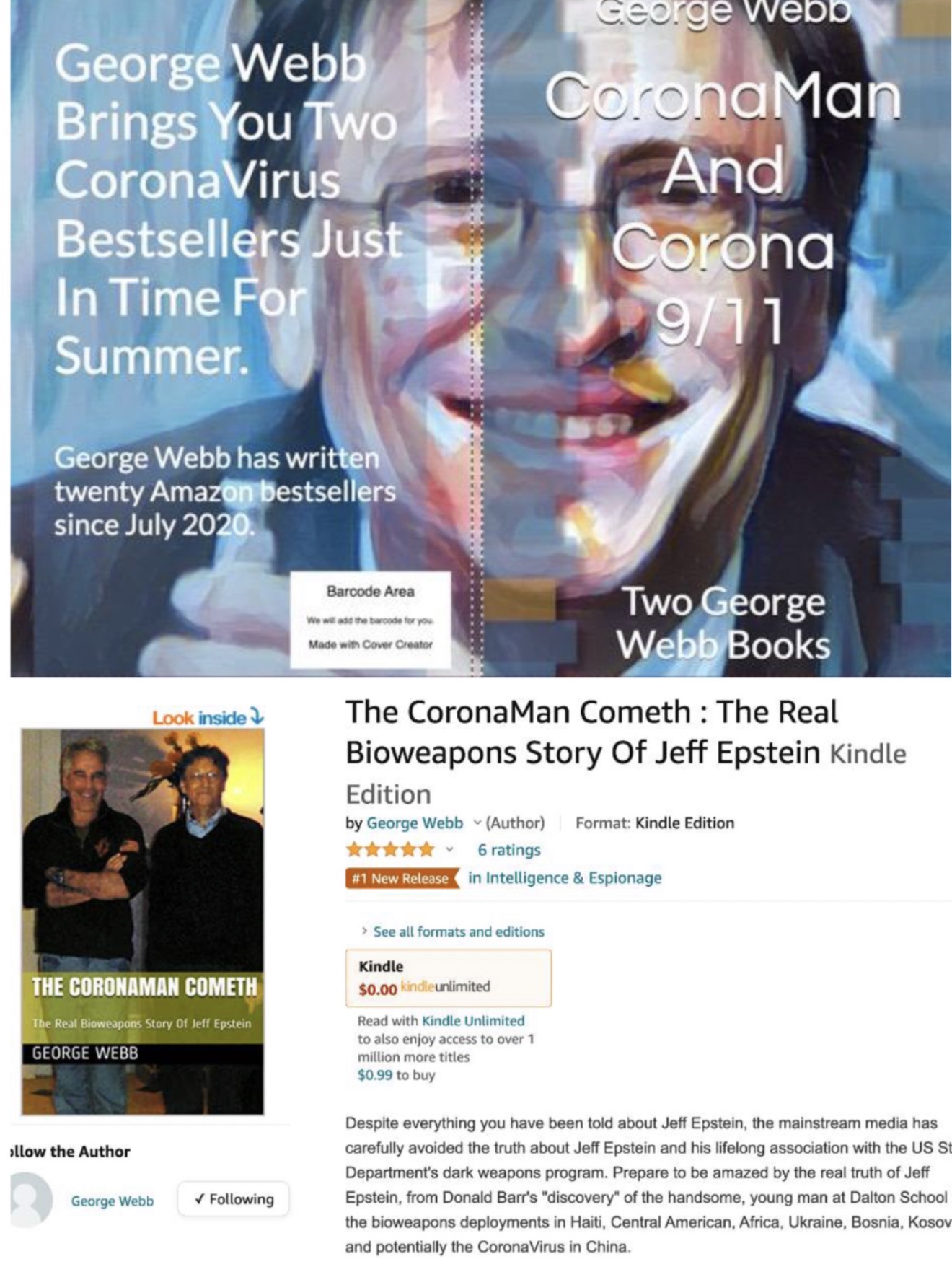
The books that followed explored different chapters of the same larger journey.
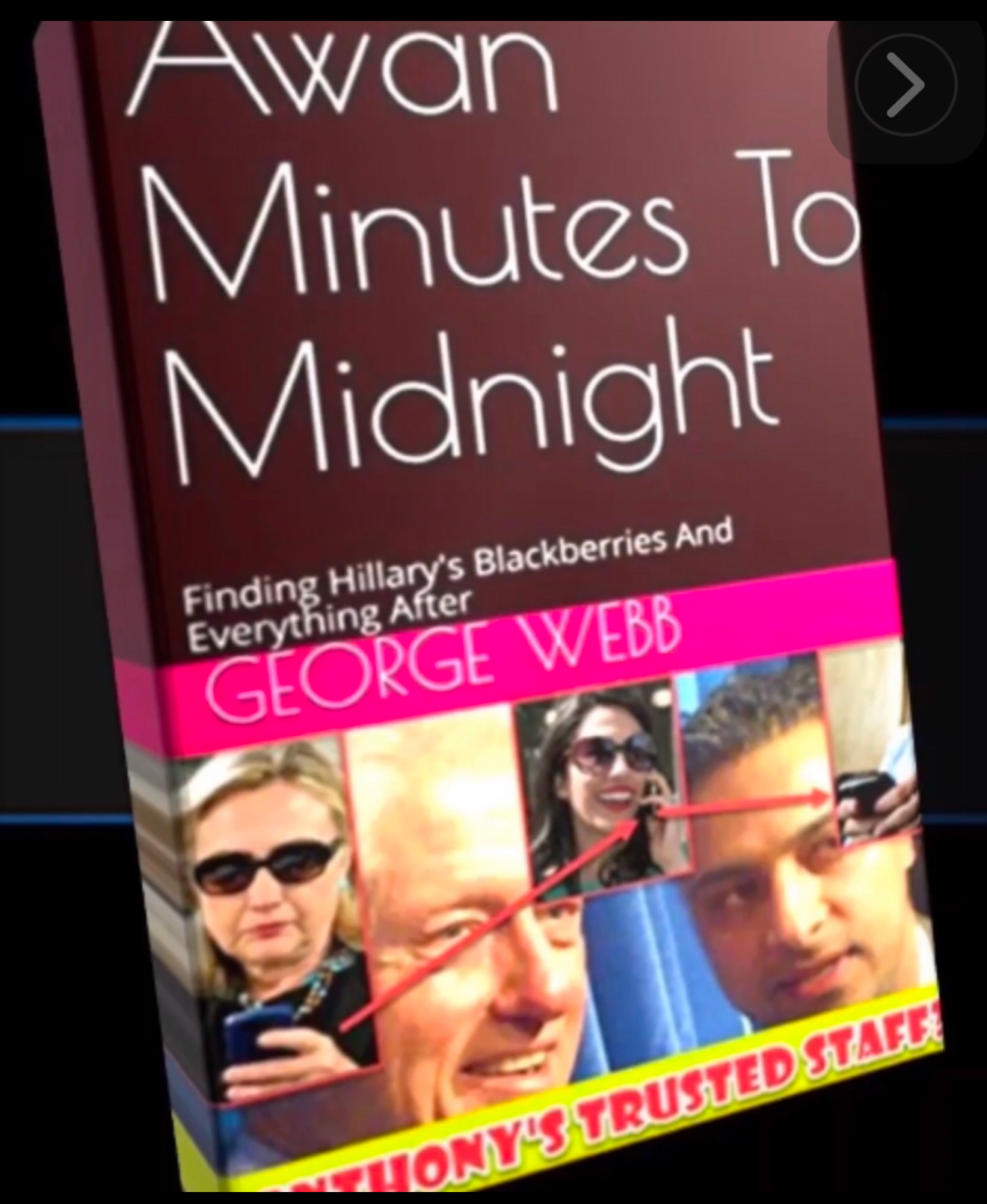
Awan Minutes to Midnight and Awan Minutes Past Midnight expanded upon questions surrounding congressional information technology and cybersecurity.
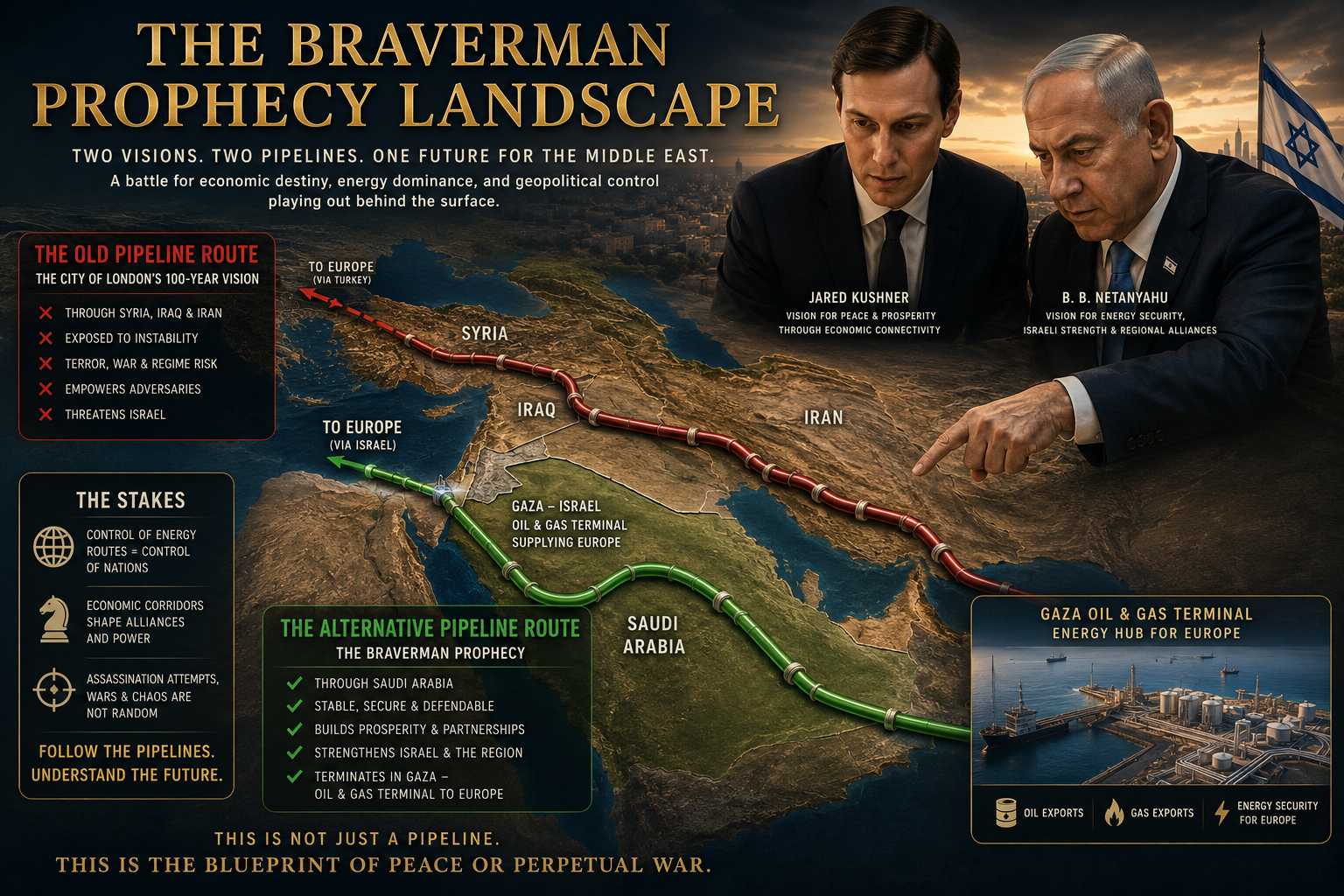
The Braverman Prophecy examined larger geopolitical trends and explored speculative scenarios involving Israel co-opting Gaza for gsa exploration and pipelines.
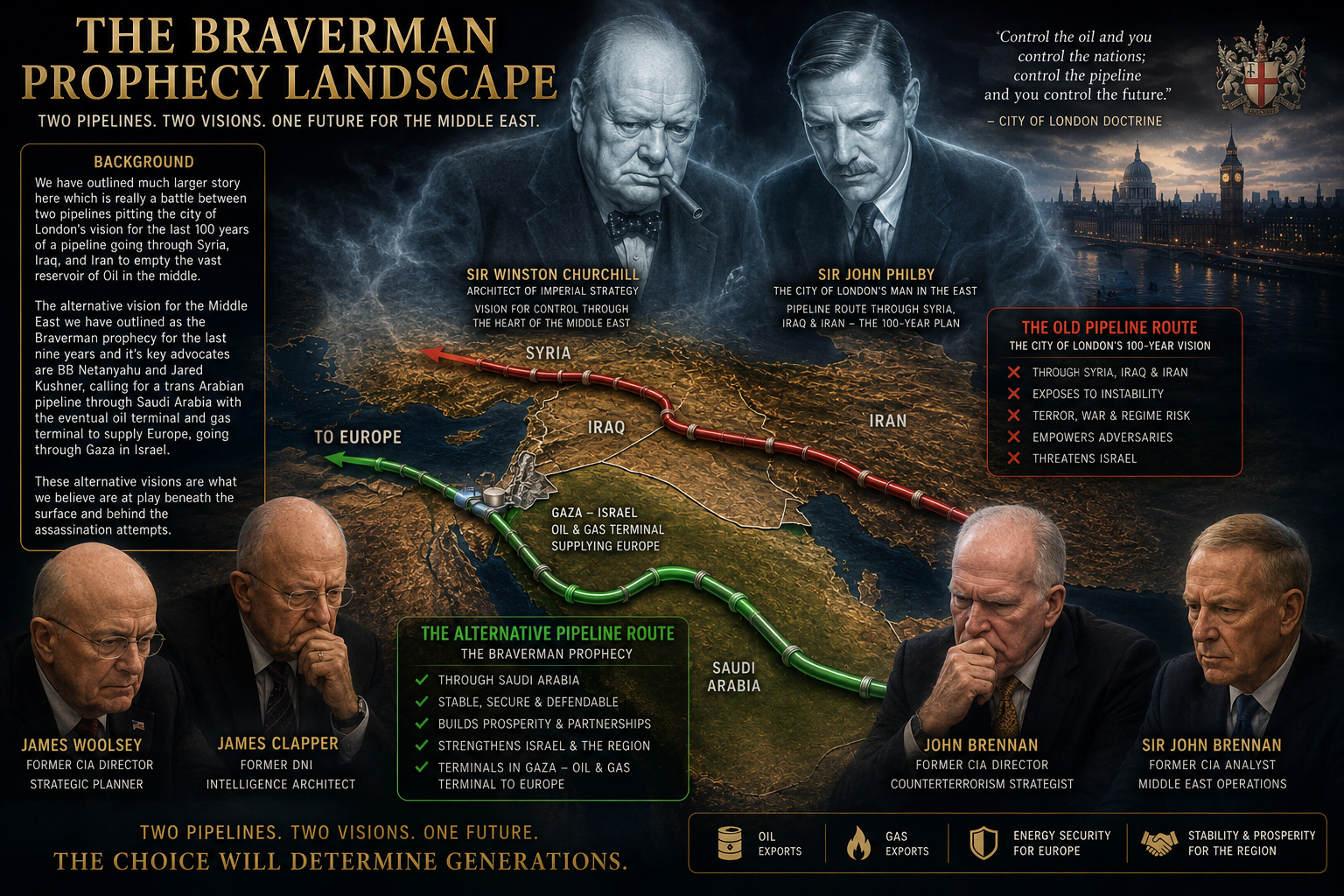
This regional realignment included resurfacing the Ben Gurion Canal infrastructure and biotechnology experimentation in Gaza—not as predictions, but as thought experiments about where technological and political forces might someday converge.
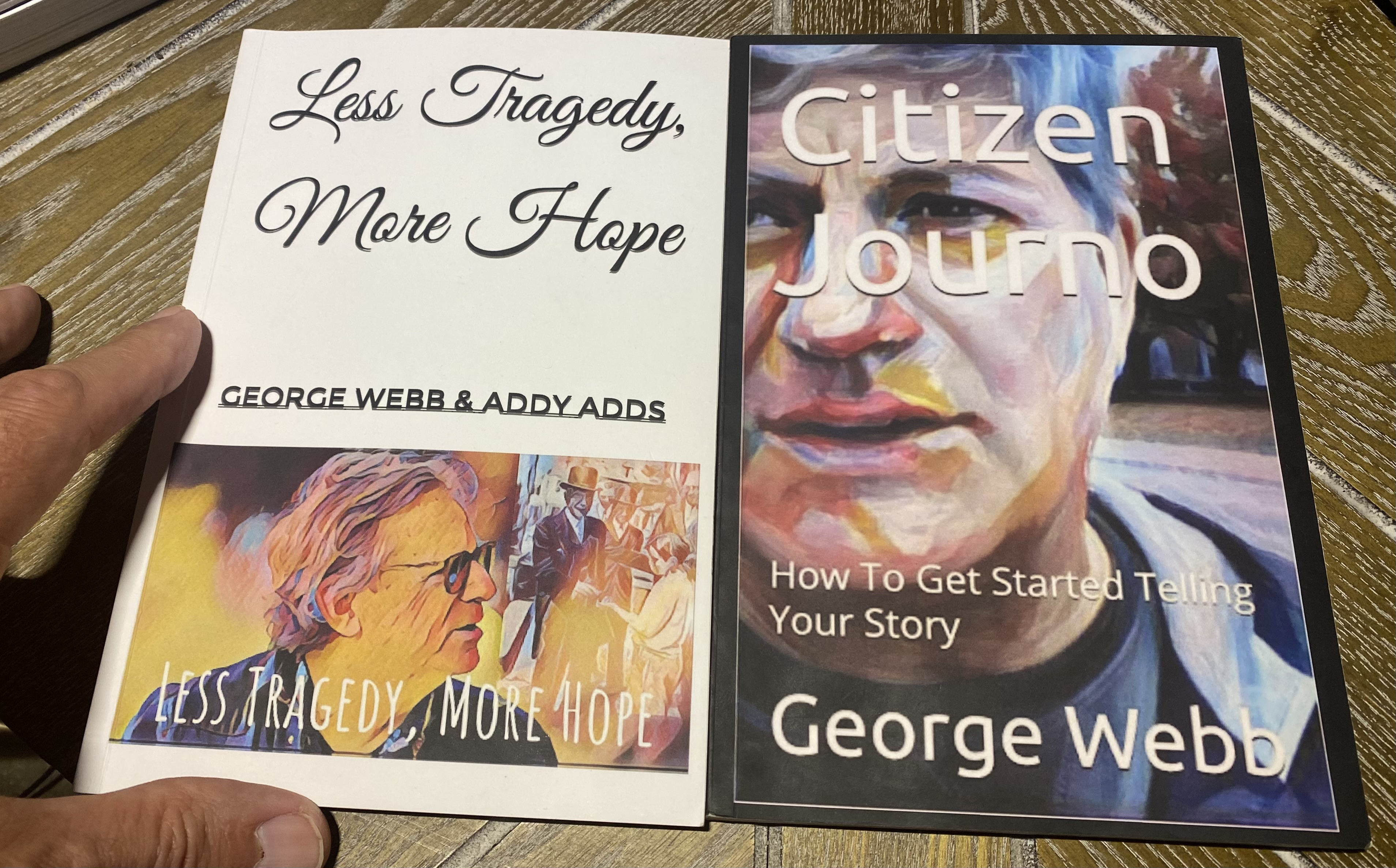
Each book asked a different question.
Each followed a different signal.
This book, however, is different.
Chasing the Signal is about transformation.
It tells the story of the years before the books, before the headlines,
before Washington became my workplace. It is the story of how a network engineer and technology executive gradually became an investigative journalist.
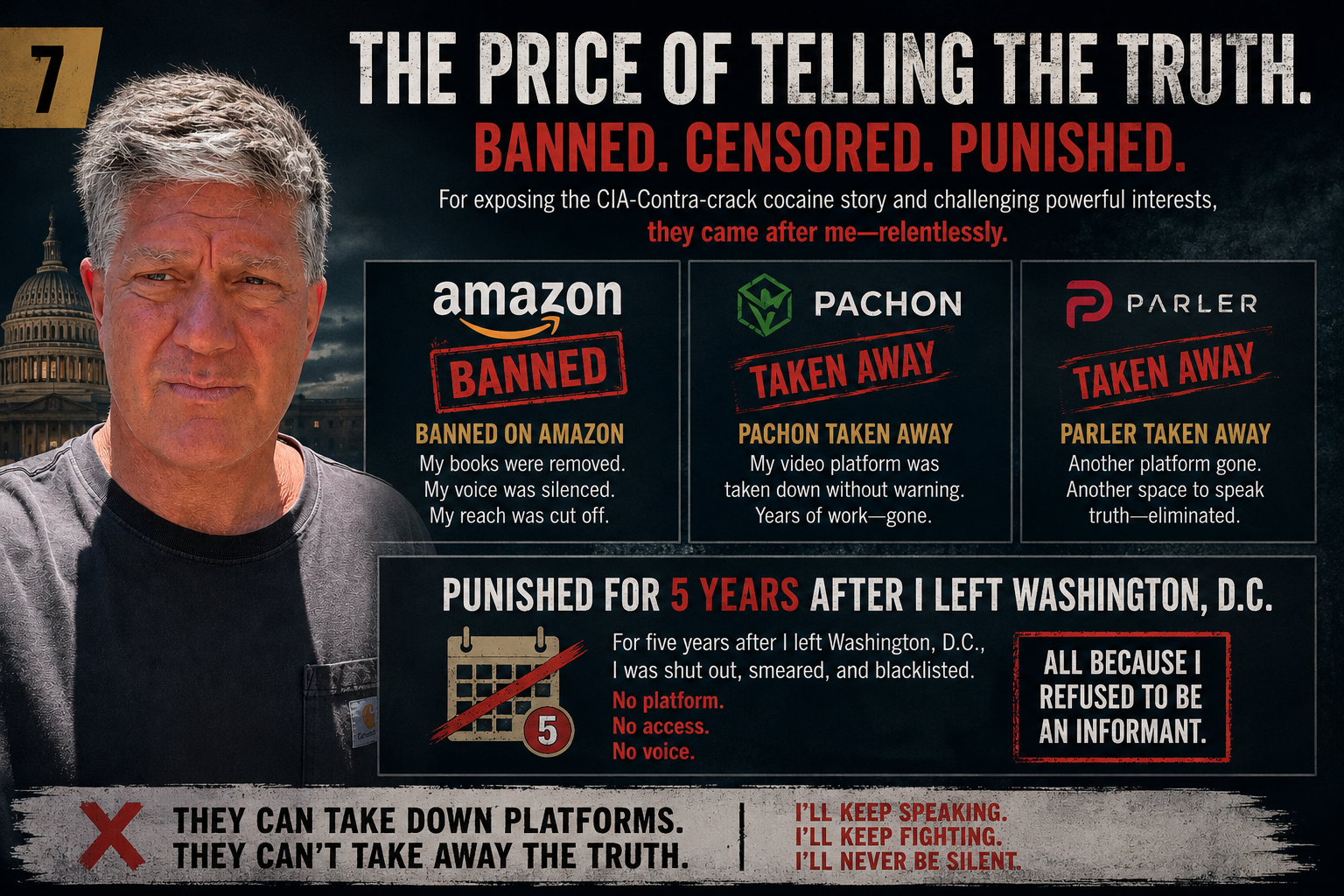
Patreon is mispelled Pachon for some unknown reason despite numerous attempts to correct.
Looking back, I realize the signal was never just about encryption.
It was about curiosity.
It was about refusing to stop asking questions when convenient answers appeared too quickly.
It was about believing that transparency remains essential to a healthy republic, even when the search for truth is uncomfortable, unpopular, or incomplete.
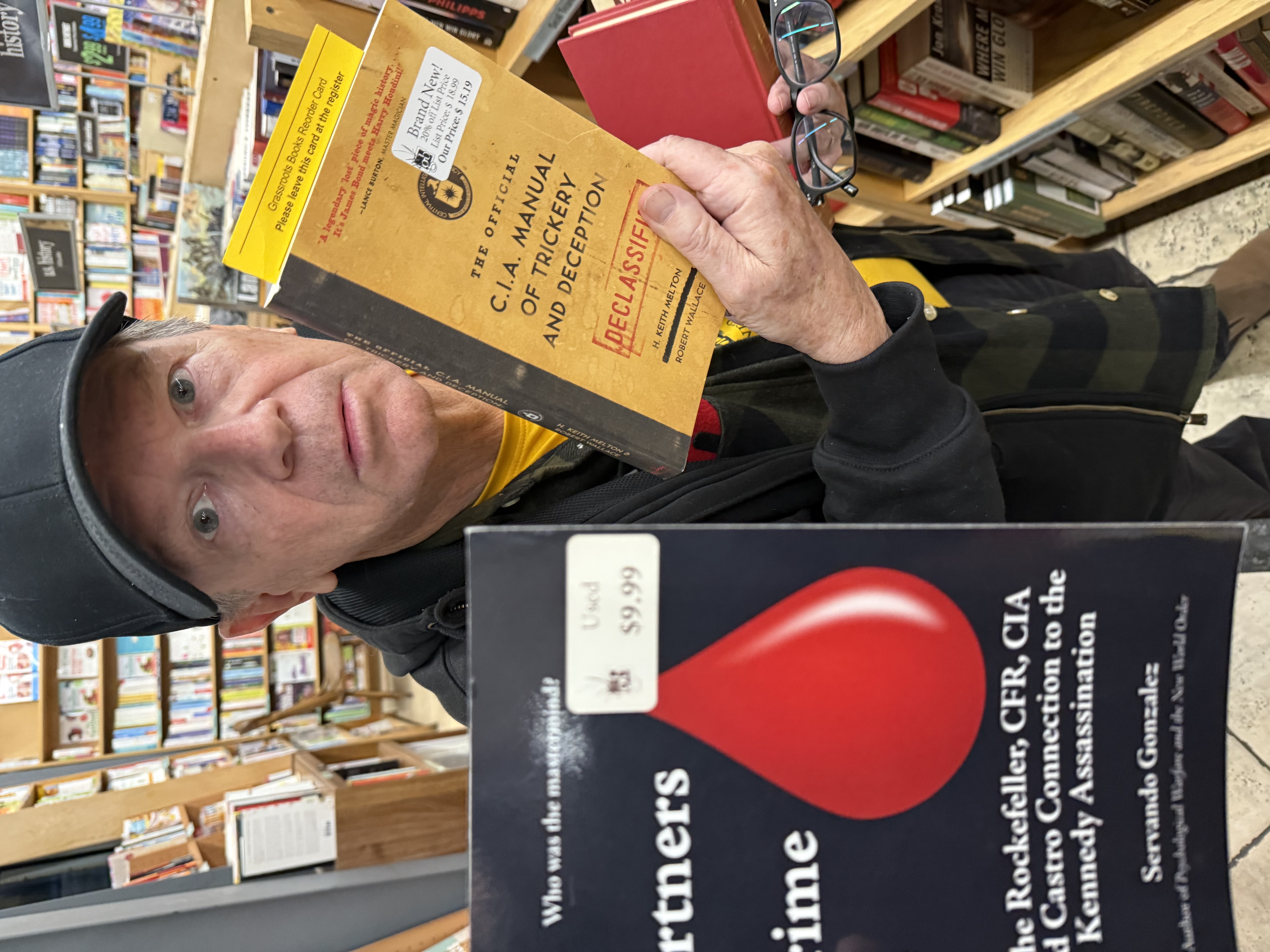
Special thanks to my creative partner, Peter Duke, at @ theDukeReport and his wife, Jessica Duke, for chasing down original manuscripts in conspiracy sections of remote bookstores.
I do not expect every reader to agree with every hypothesis I have explored over the years. In fact, healthy skepticism is one of thefoundations of investigative work. Evidence should be examined carefully. Claims should be tested. Assumptions should bechallenged—including my own.
If this book accomplishes anything, I hope it encourages readers to investigate for themselves.
Technology will continue evolving.
Artificial intelligence, autonomous systems, biotechnology, and encrypted communications will raise questions that society has barely begun to confront. The next generation of investigators will inherit challenges far more complex than those I encountered twenty-five years ago.
My journey began by chasing a signal.
Theirs will begin by recognizing new ones.
The technology will change.
The principles should not.
Follow the evidence.
Question assumptions.
Remain curious.
And never stop chasing the signal.


Leave a Reply