Twenty Five Years Of Investigative Reporting In America
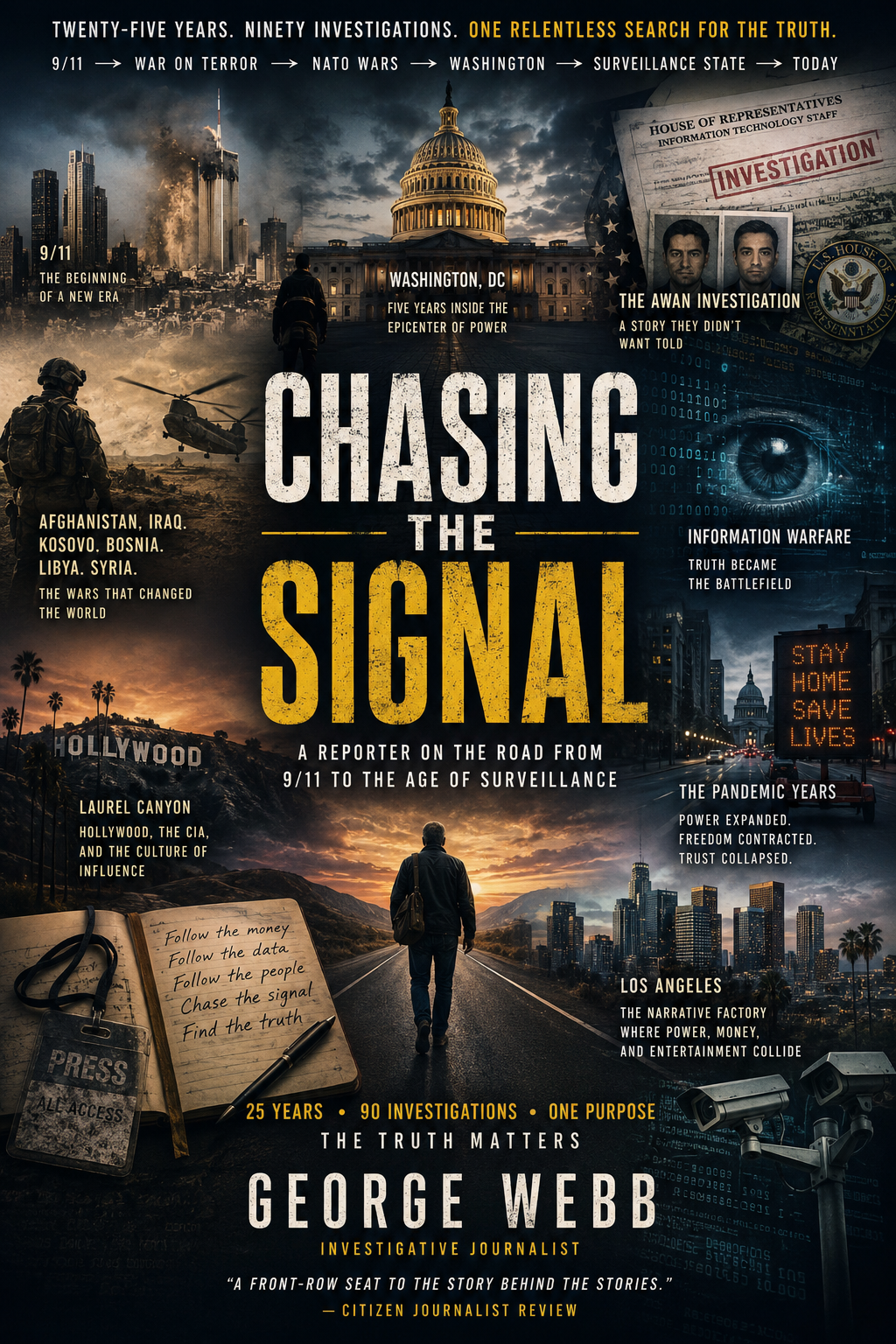
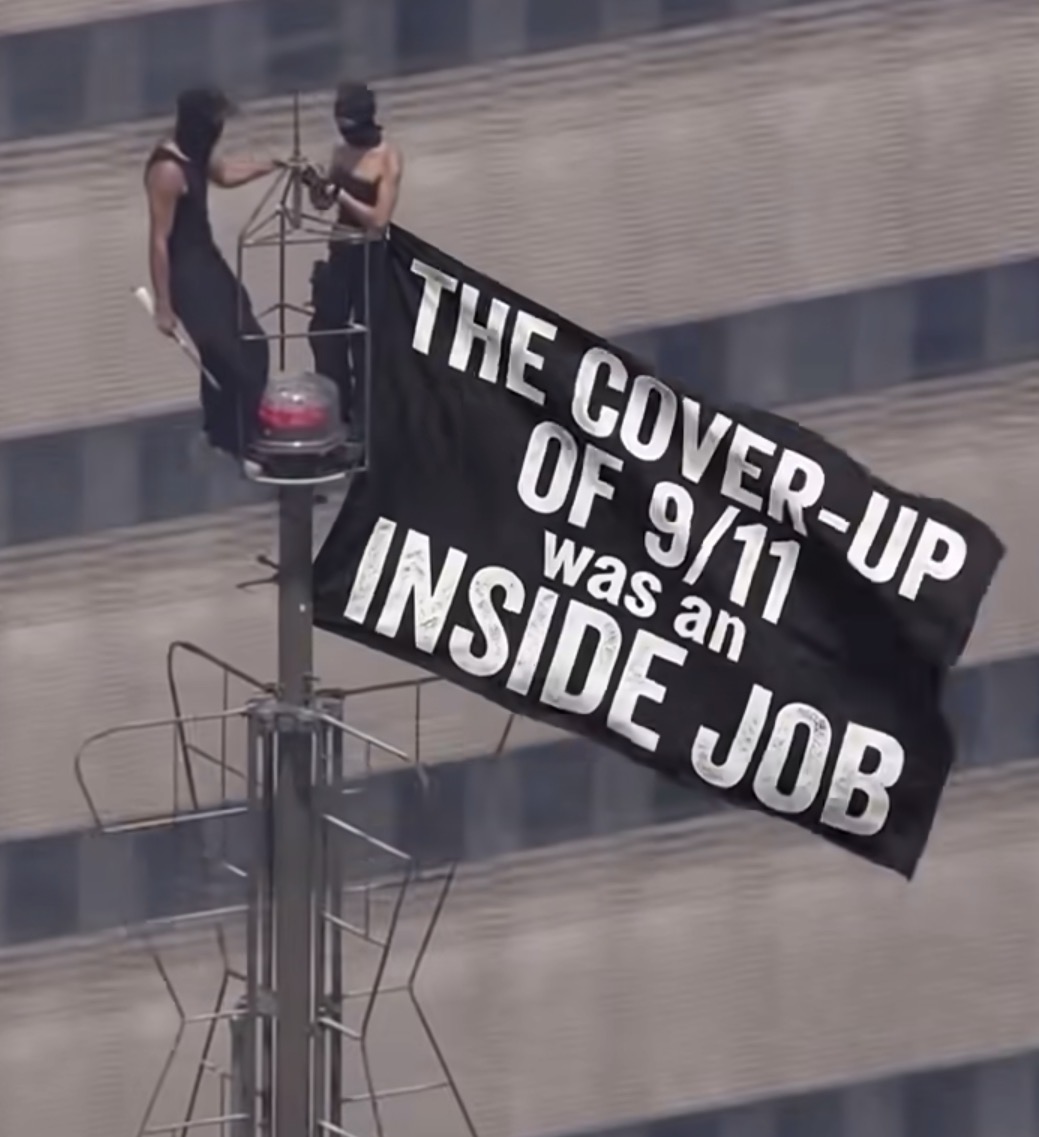
The following is an outline of an upcoming book that documents many of the major false flags in US History, beginning with 9/11 and extending through the Coronavirus Live Exercise and J6. “Chasing The Signal” covers the time period from my discovery of Russian operative Dmitri Alperovitch writing backdoors for the NSA at Network Associates in 2000 to his DNC Hack Hoax with CrowdStrike in 2016.
I have published nine chapters as of July 1st, 2026, I will publish additional chapters here on Substack. The book is the result of a collaboration among citizen journalists around the world in the fight for truth against the Deep State.
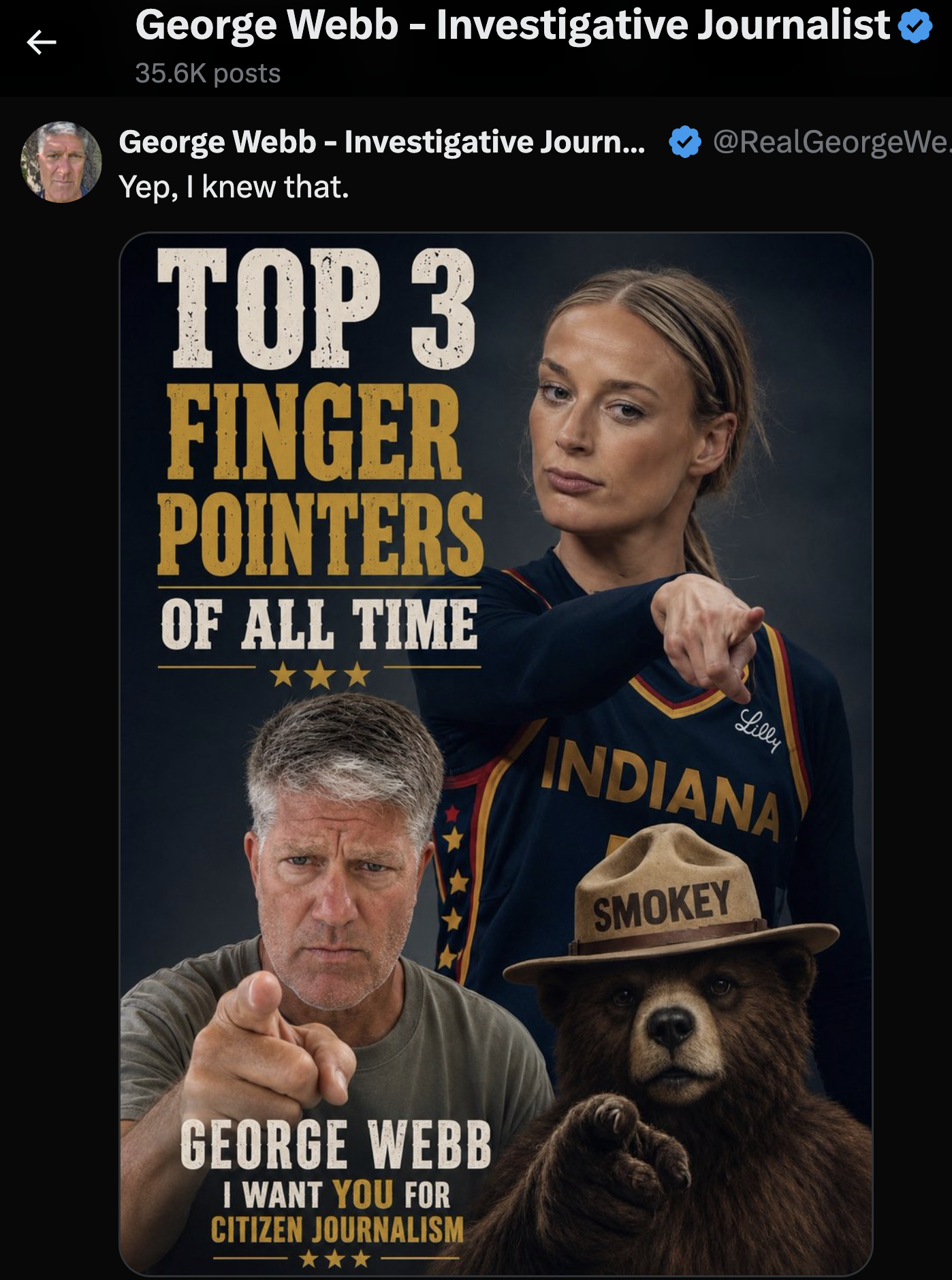
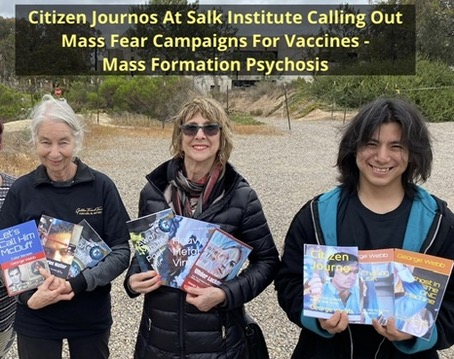
I have spent ten years championing the idea of citizen journalists, the idea that you, with an iPhone, are better than CNN every day of the week. Together, we run circles around CNN and 60 Minutes, two news organizations that have done individually targeted news segments and series on just me!
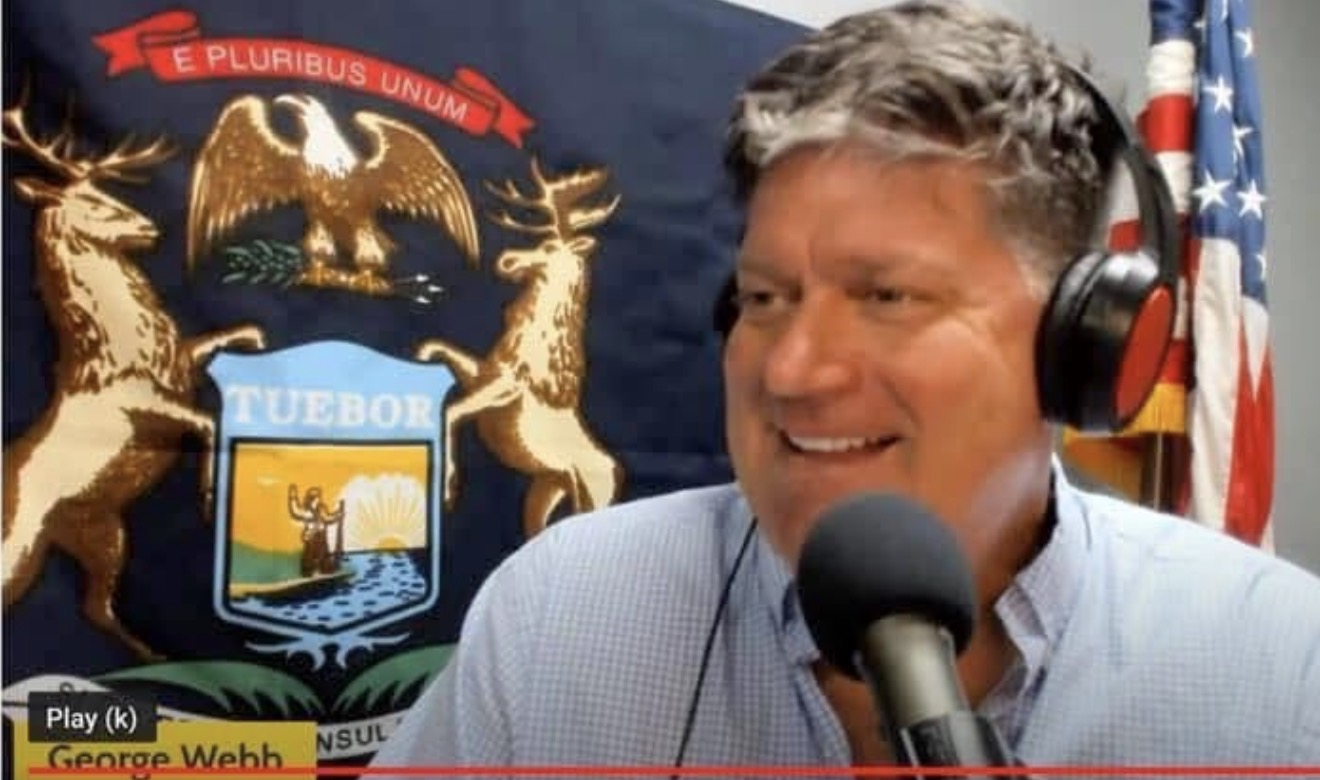
George Webb has held sixty-six news-gathering symposiums for citizen journalists over the last ten years, which average a dozen people collaborating on news research and verification for a dozen days.
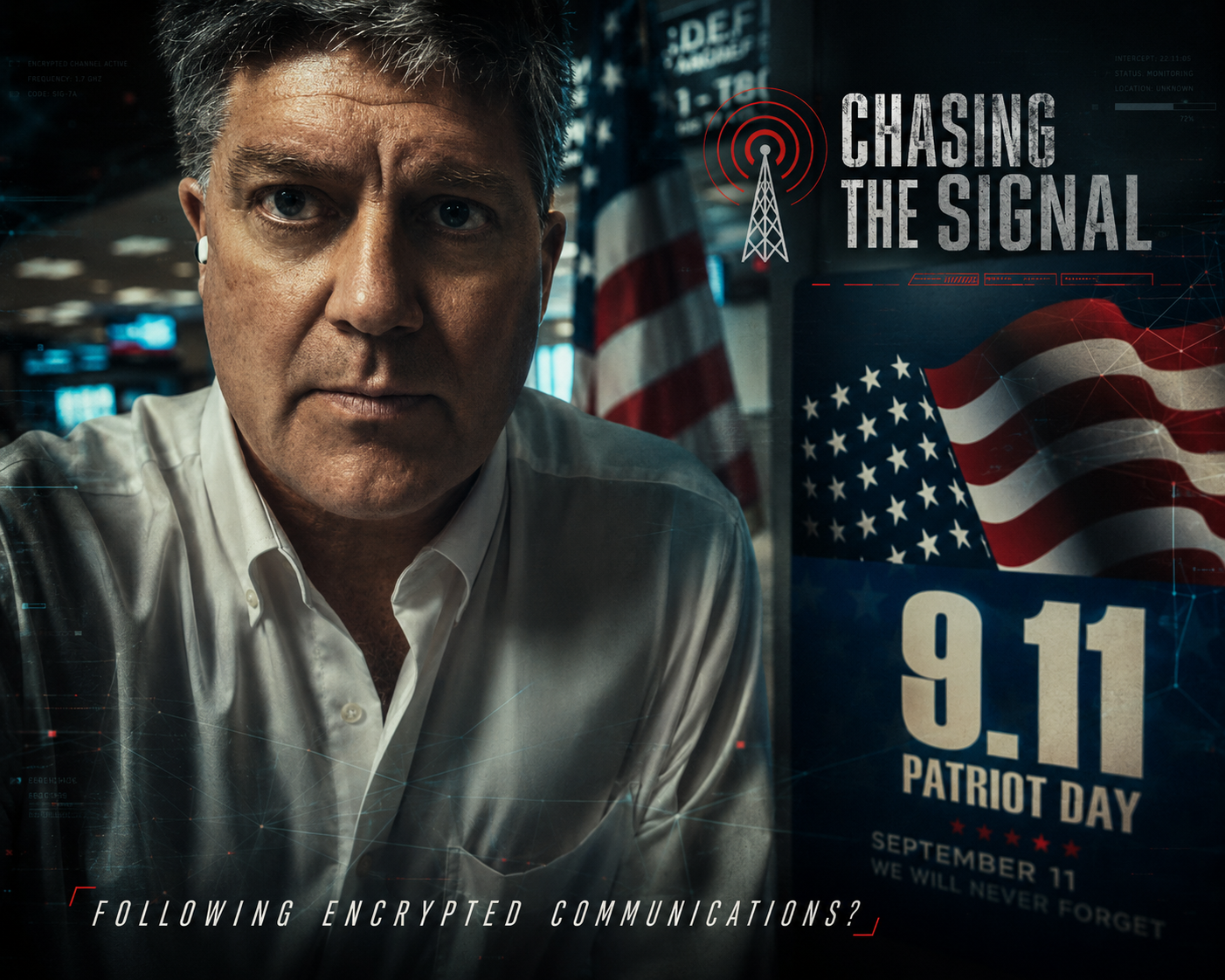
CHASING THE SIGNAL
Subtitle:
A Reporter on the Road from 9/11 to the Age of Surveillance
Book Treatment
For twenty-five years I chased stories across America and around the world. Some began with wars. Some began with corruption. Some began with a single source, a single document, or a single question that refused to go away.
What connected them all was a signal buried beneath noise. I use my thirty-five years as a network analyst to see through the smoke of twenty-five years of American History to reach the true metadata of what actually occurred and who is responsible.
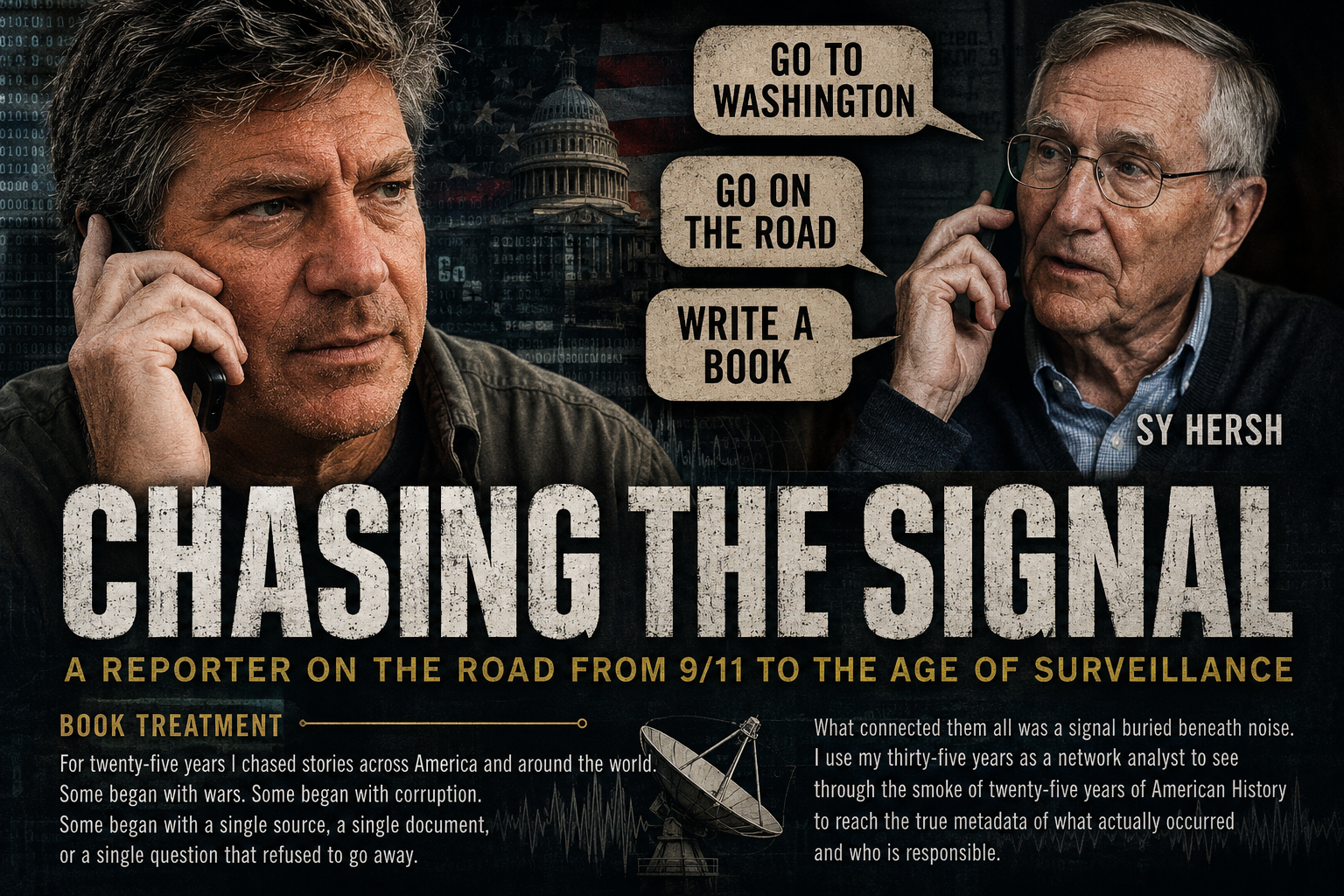
Chasing the Signal is the story of one reporter’s journey through the defining events of post-9/11 America. It is not simply a collection of investigations. It is a first-person account of how the institutions of government, intelligence, media, technology, and politics transformed during the first quarter of the twenty-first century.
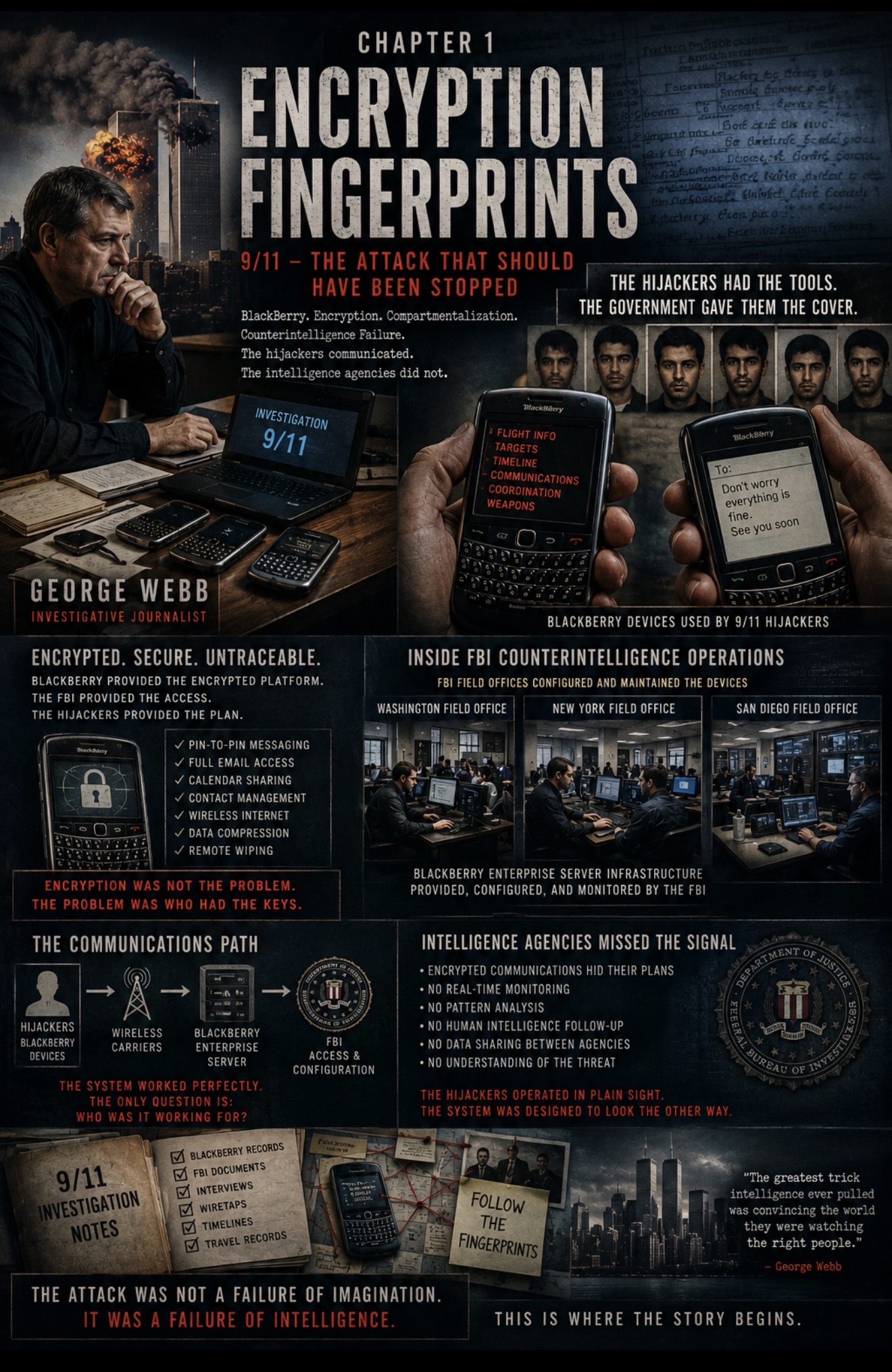
The story begins in New York City one year after the attacks of September 11, 2001. Working in Lower Manhattan exactly one year later, I walked past Ground Zero each day while America launched wars overseas and built new security systems at home. The country was entering a new era, though few understood where it would lead.
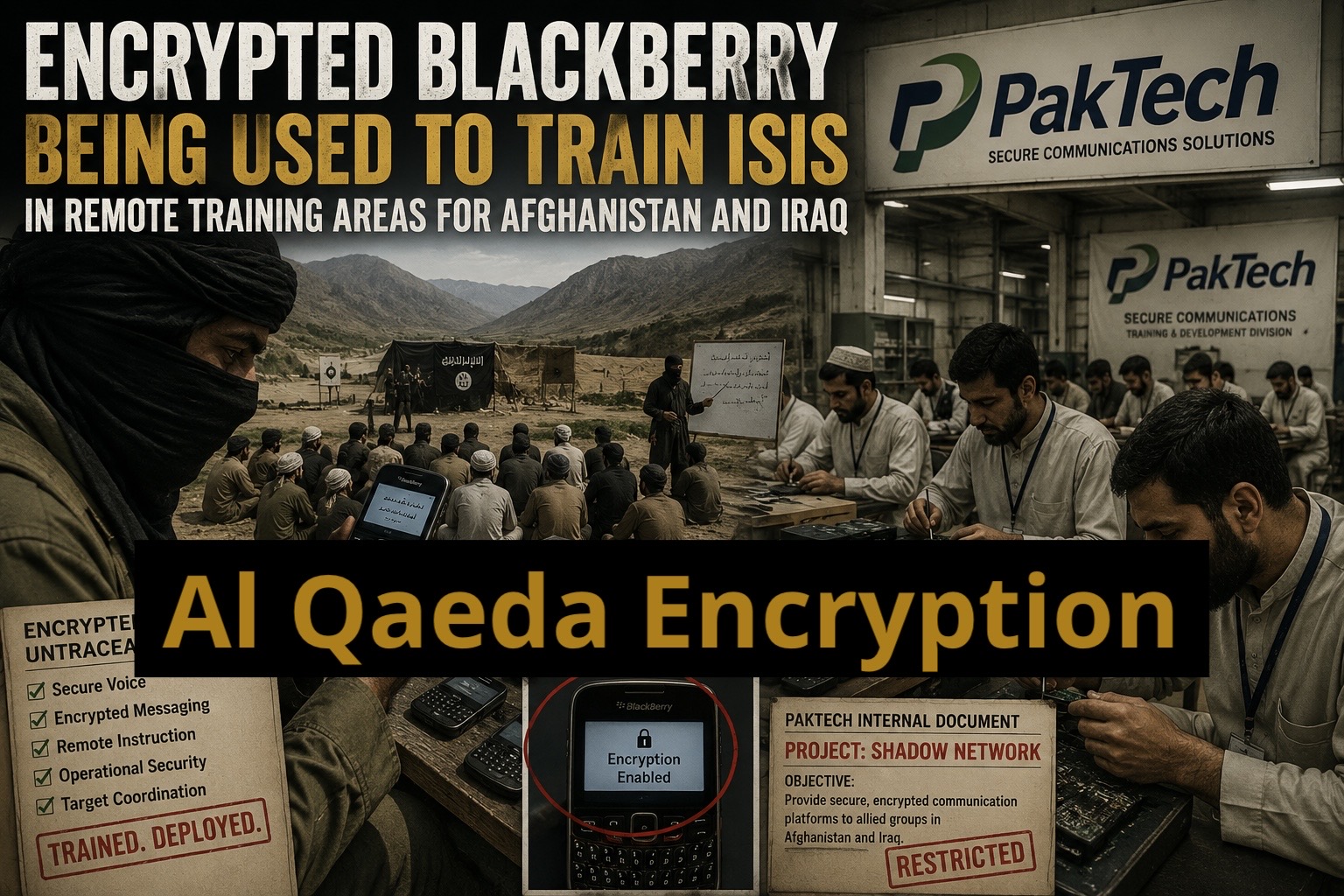
The second chapter follows the opening years of the War on Terror. Afghanistan and Iraq became more than military conflicts. They became catalysts for an expanding intelligence architecture. New databases, surveillance authorities, and security institutions emerged. The promise was protection. The long-term consequences remained unclear.
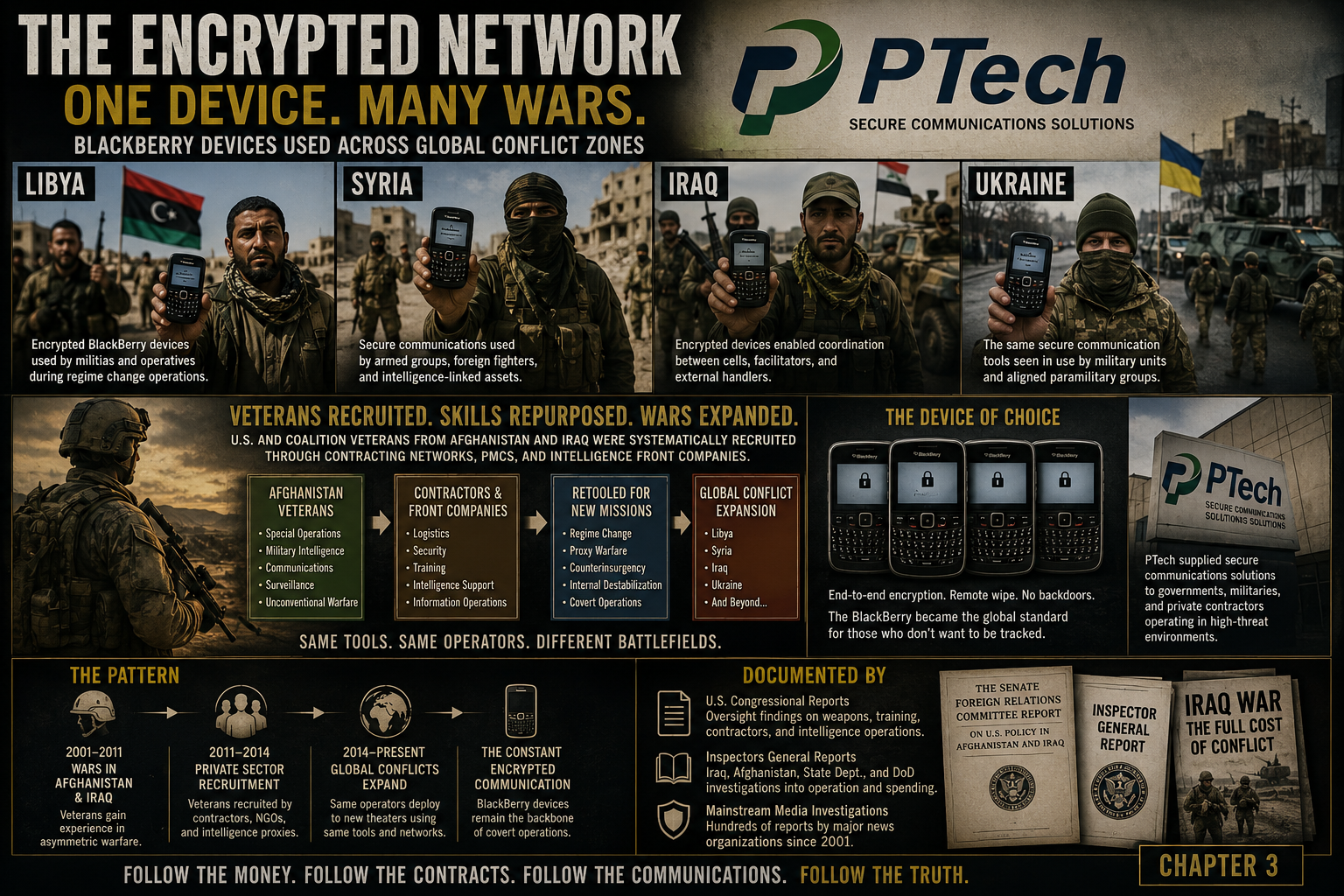
The third chapter follows the expansion of NATO-era interventions into regions such as Kosovo, Bosnia, Libya, and Syria. While each conflict appeared unique, recurring networks of governments, contractors, intelligence services, media organizations, and policy advocates appeared repeatedly. The chapter explores the development of modern interventionist policy and the growing relationship between information campaigns and military action.
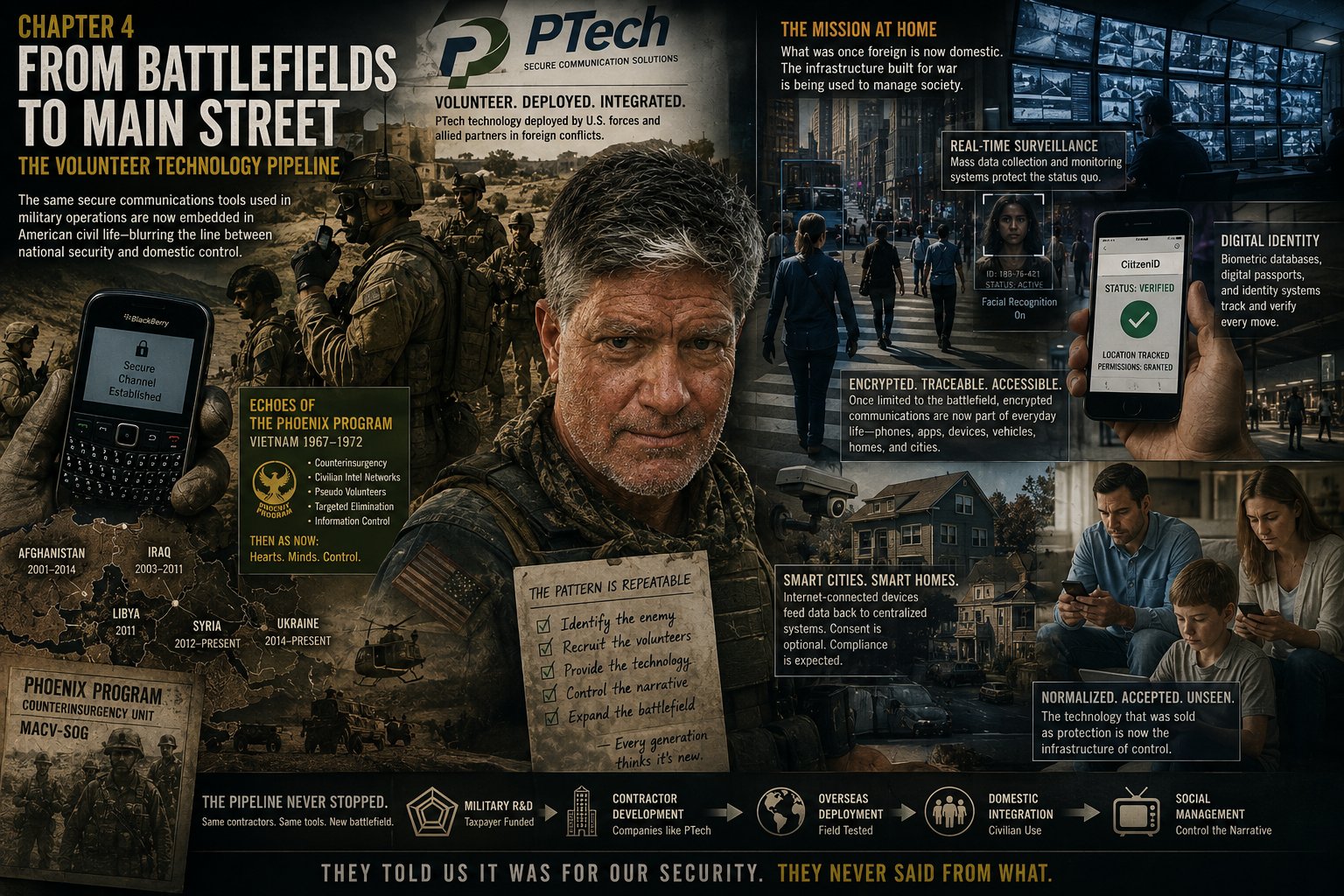
The fourth chapter examines the rise of digital intelligence. During these years technology transformed every aspect of communication. Mobile phones, social media platforms, and cloud computing generated unprecedented amounts of information. The question increasingly became who controlled the data and how it could be used.
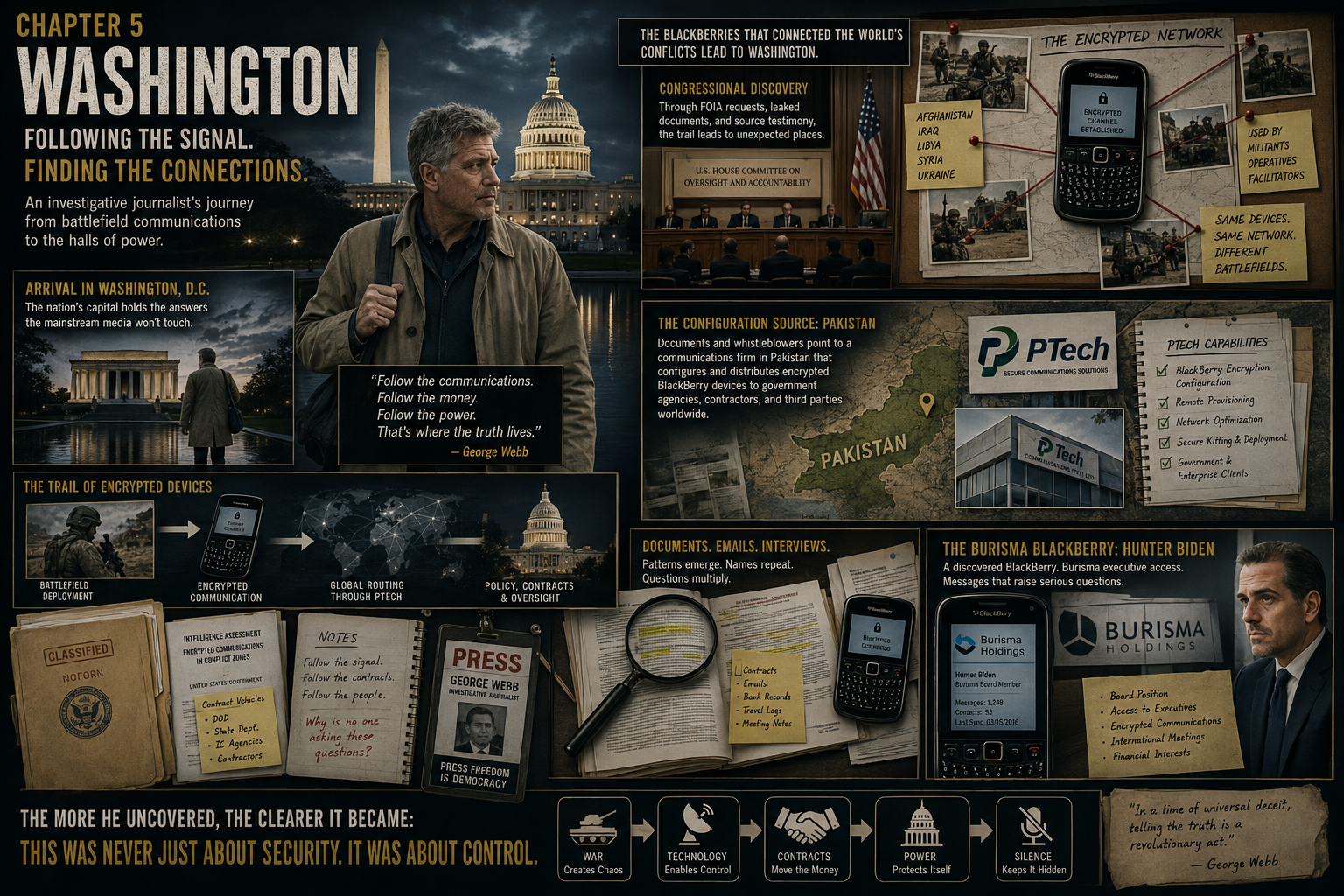
The fifth chapter brings the narrative to Washington, D.C. During years spent reporting in the nation’s capital, I encountered a city powered by information. Congressional offices, lobbying firms, intelligence agencies, contractors, political consultants, and media organizations formed a dense ecosystem where information functioned as both currency and weapon. The chapter explores the culture of influence that shapes modern governance.
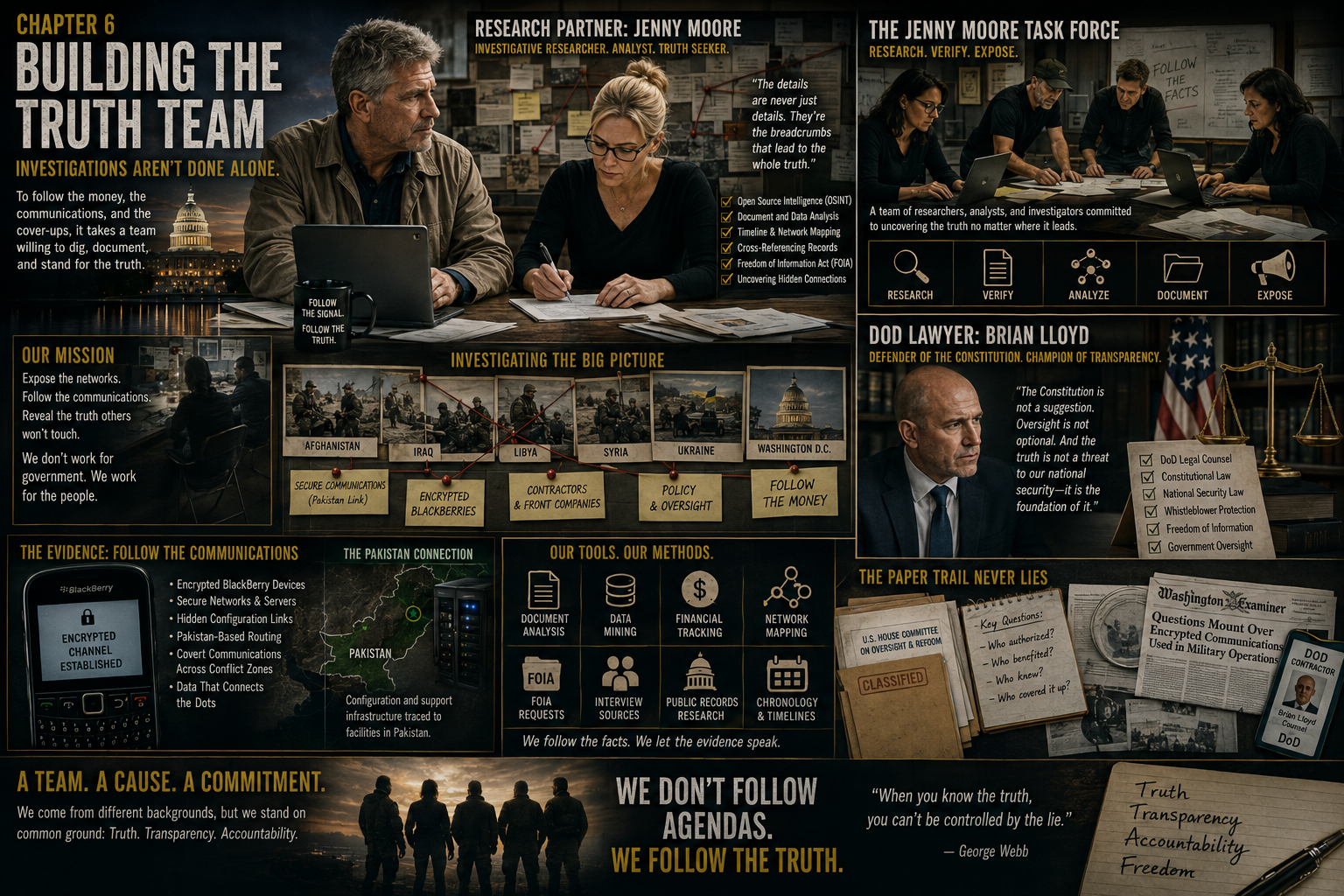
The sixth chapter focuses on the congressional information technology investigations that consumed years of reporting. What began as a technical story evolved into a deeper examination of institutional accountability, political protection, and the difficulty of pursuing complex investigations in a hyper-partisan environment. The chapter serves as both investigative narrative and personal turning point.
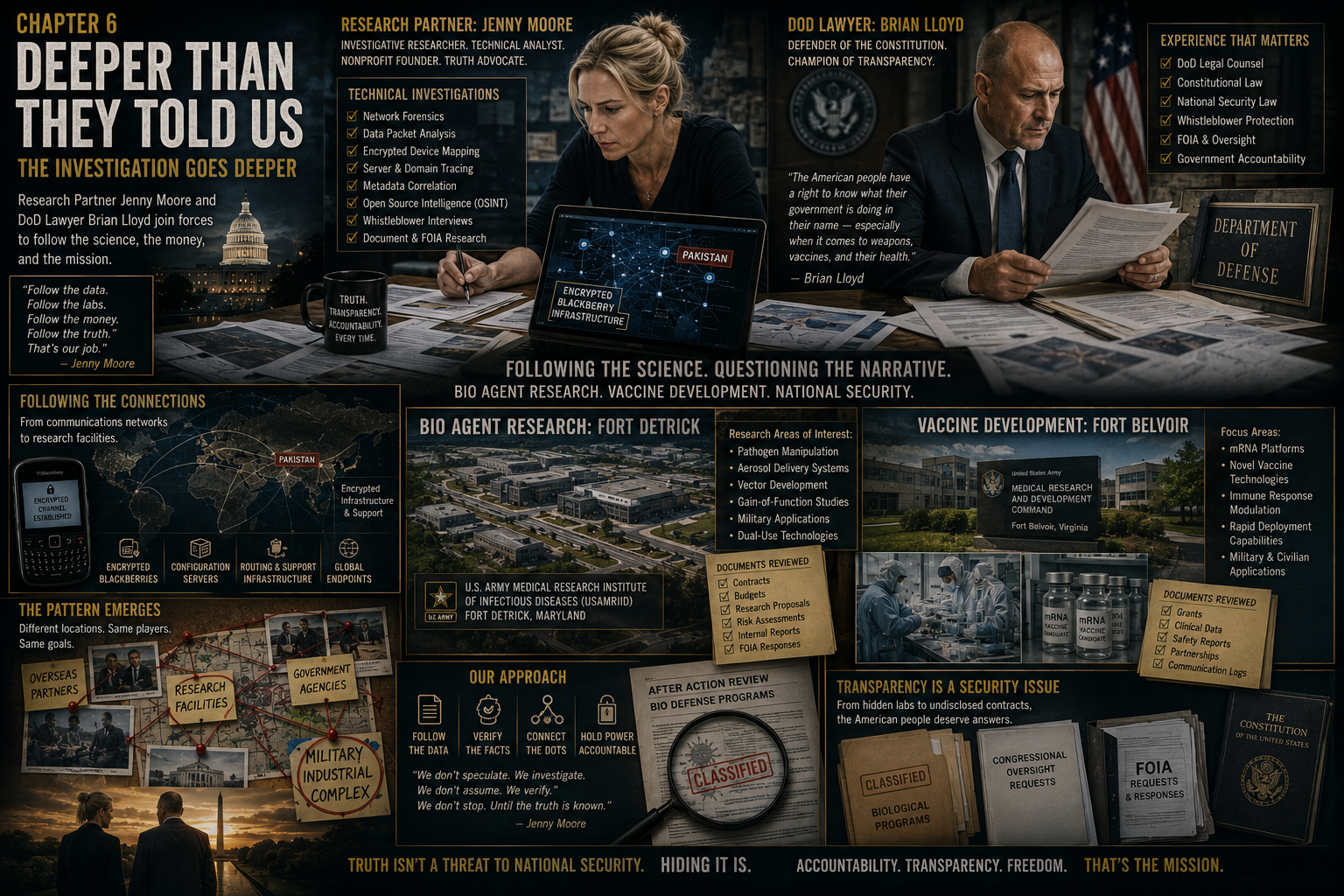
The seventh chapter examines the information wars of the late 2010s. Russiagate, impeachment battles, leaks, anonymous sources, social media campaigns, and competing narratives created an environment in which truth itself became contested terrain. Journalists, citizens, and institutions increasingly struggled to separate evidence from narrative.
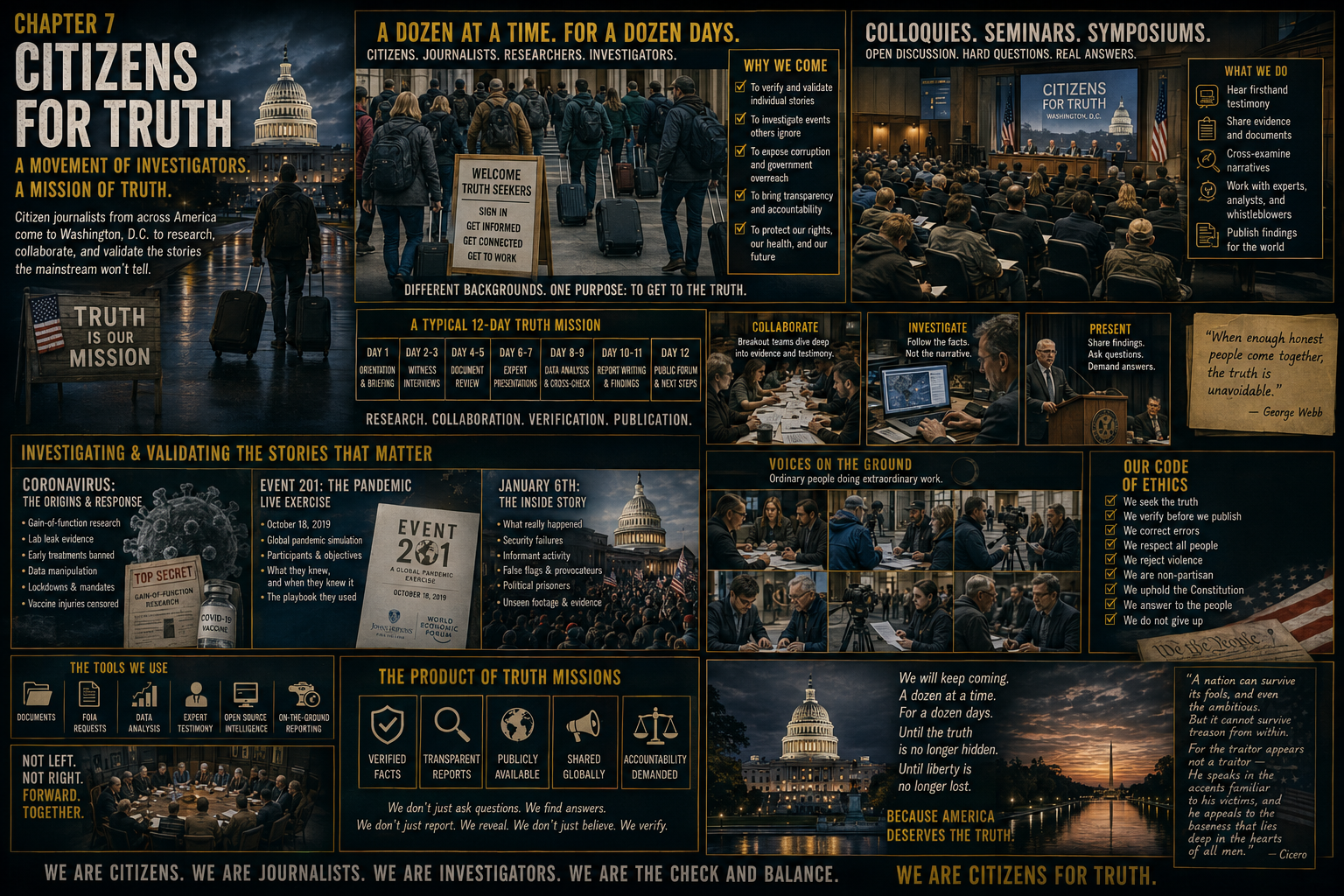
The eighth chapter turns to the pandemic years. Emergency powers expanded. Governments, corporations, media organizations, and technology platforms assumed unprecedented roles in public life. The systems built after 9/11 found new applications in a society confronting crisis. Public trust simultaneously became more important and more fragile than ever.
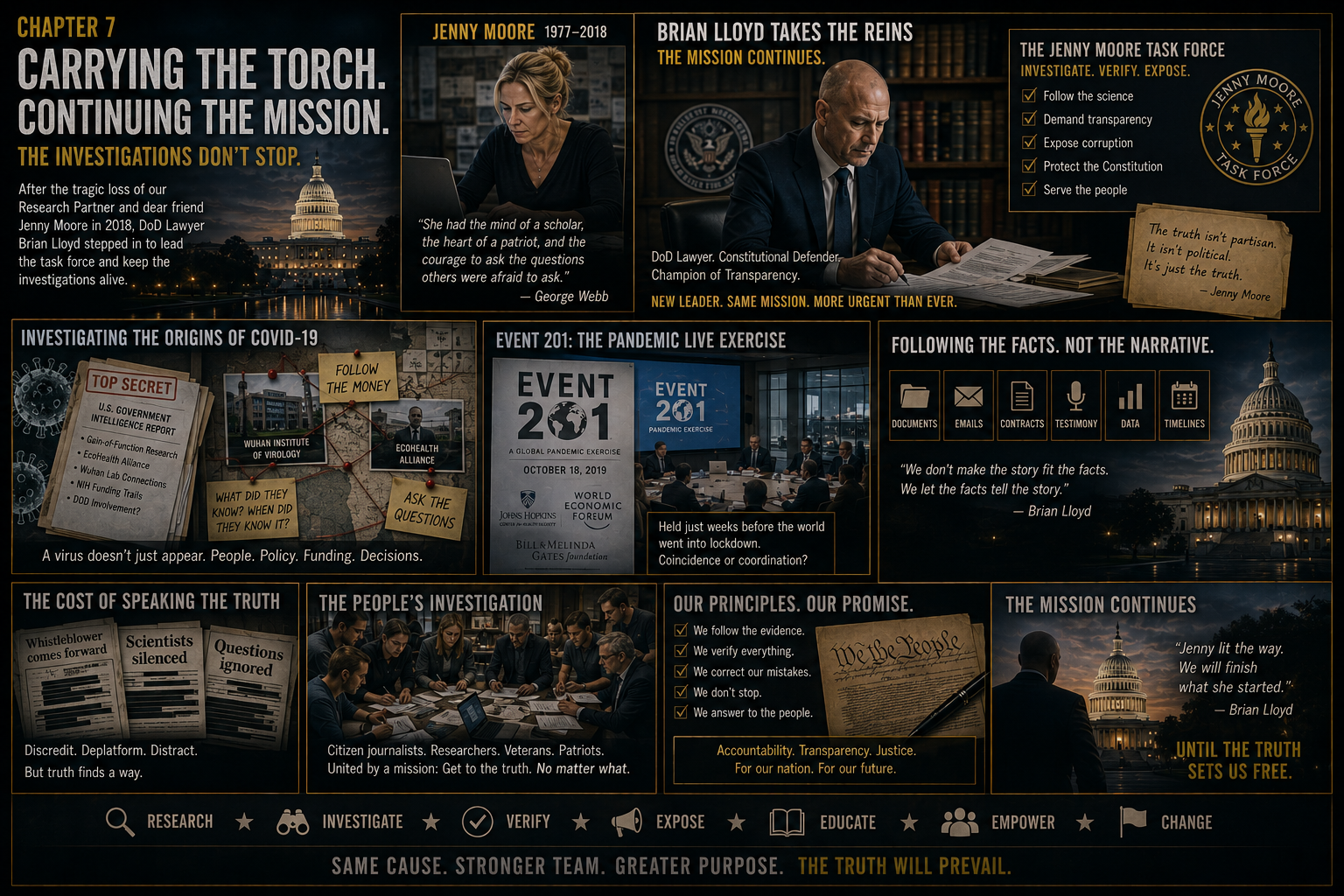
The ninth chapter moves west to California. Living in mission housing, temporary residences, and modest accommodations while conducting investigations, I encountered another dimension of the American story.
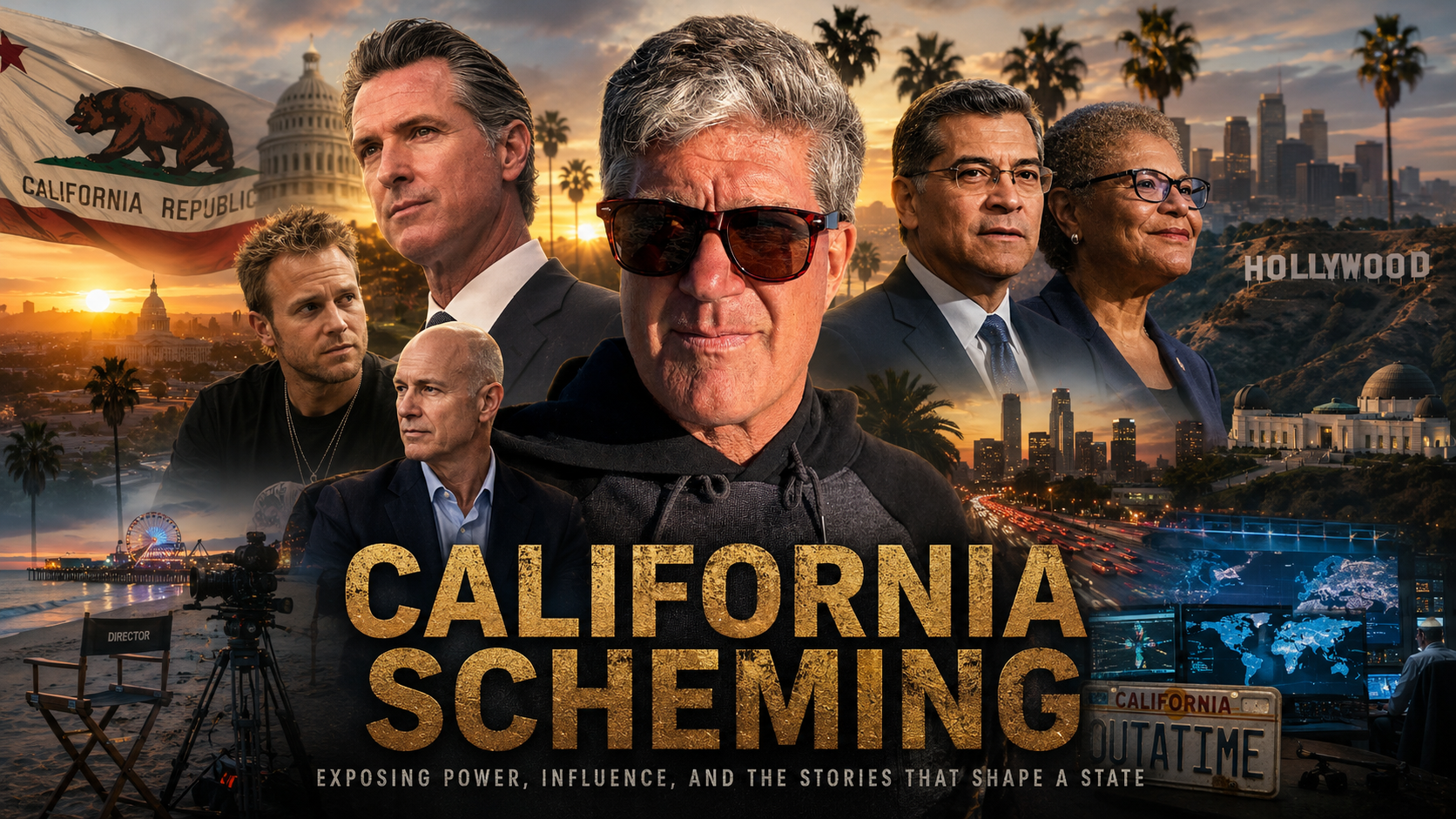
Los Angeles represented the intersection of entertainment, technology, defense contracting, political influence, and cultural power. The chapter explores the enduring questions surrounding Hollywood, narrative formation, influence networks, and the historical echoes that continue to shape modern California.
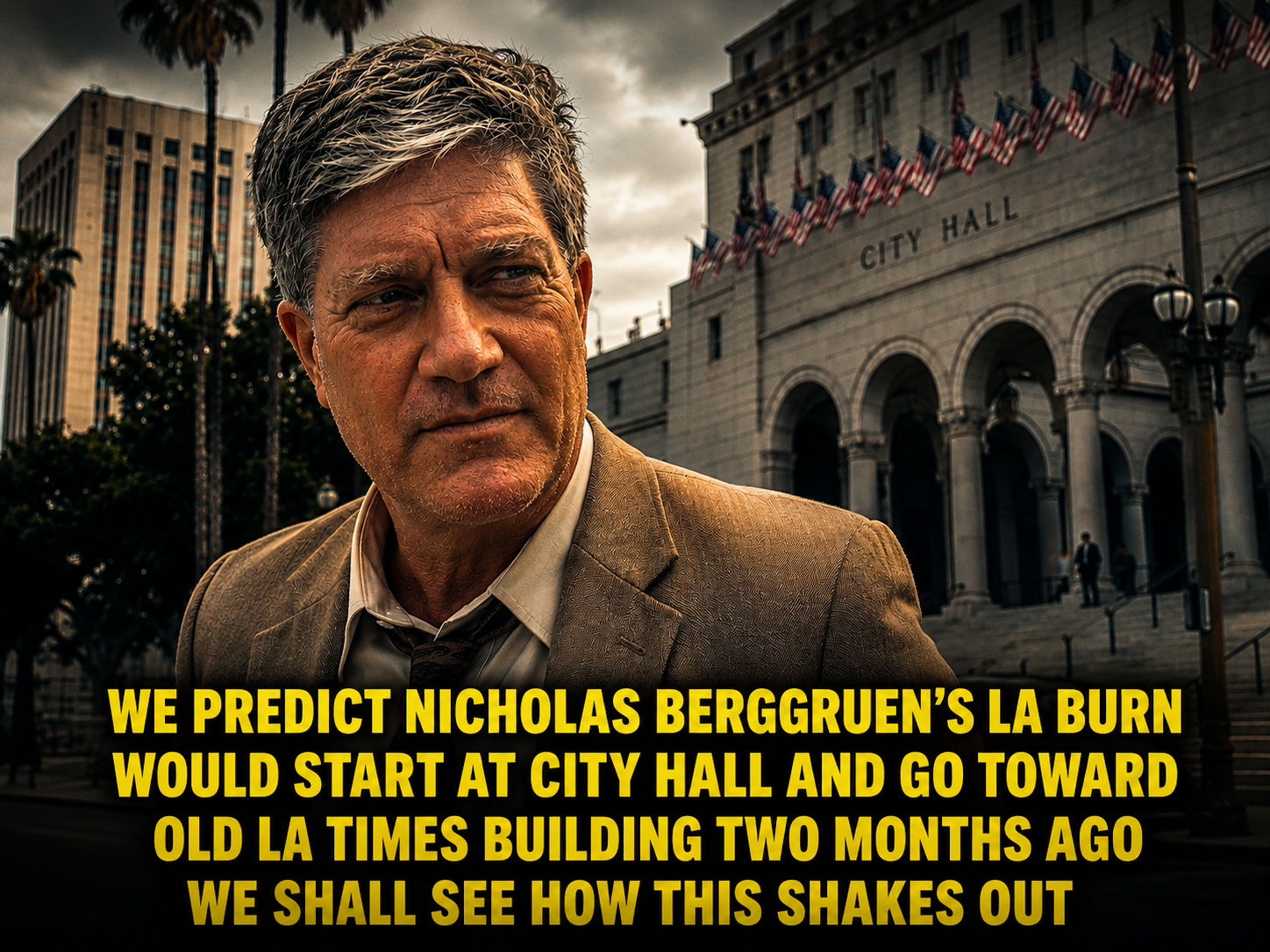
The tenth chapter explores the emergence of artificial intelligence, predictive analytics, and behavioral modeling. The surveillance systems that began as tools for national security evolved into systems capable of tracking, categorizing, and influencing populations at unprecedented scale. Technology companies increasingly occupied positions once associated with governments. The signal became harder to find beneath oceans of data.
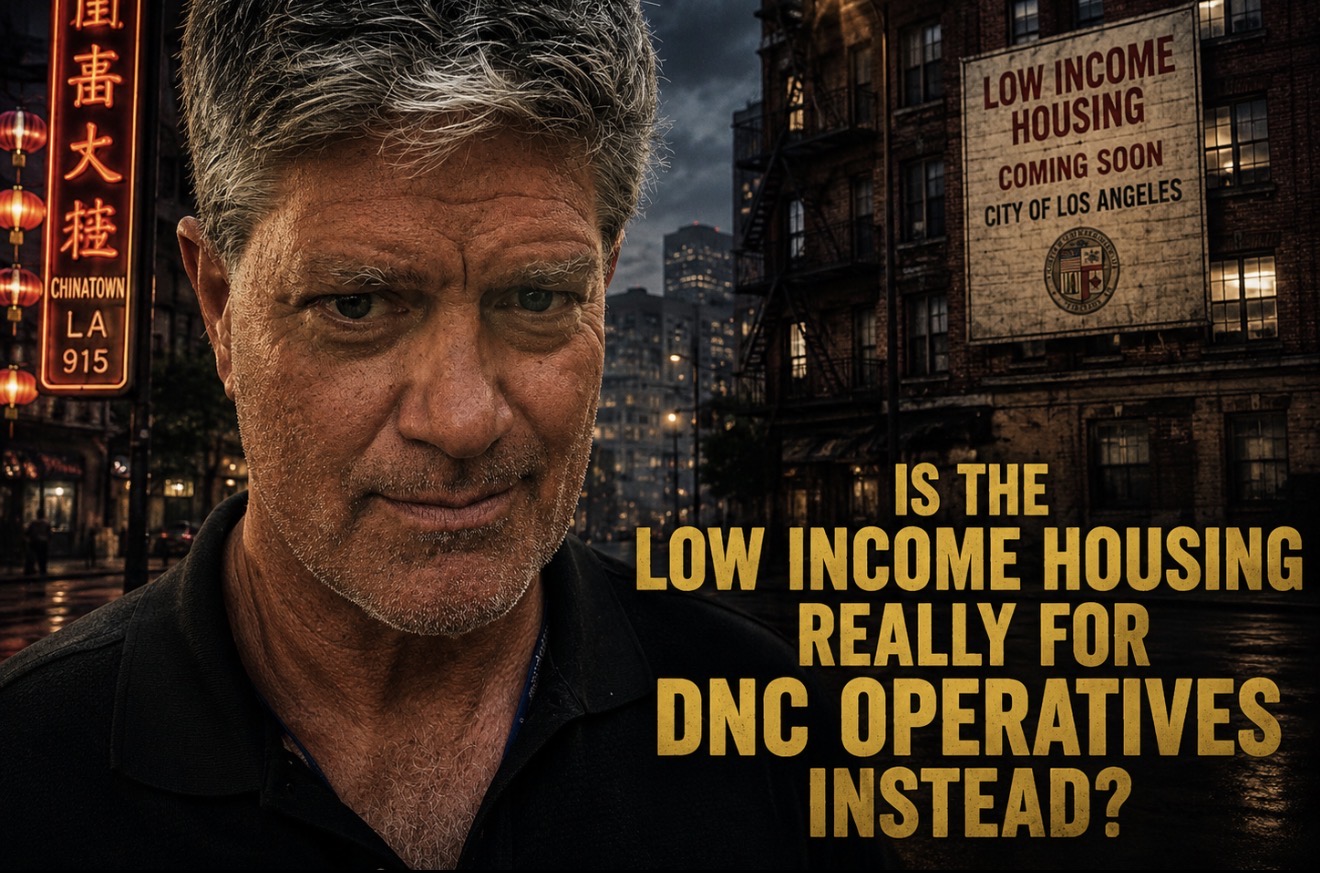
The eleventh chapter returns to the road. Thousands of interviews, countless miles, temporary homes, borrowed rooms, mission residences, and long drives reveal an America rarely seen through official channels. The chapter reflects on the people encountered along the way—citizen journalists, whistleblowers, researchers, veterans, public officials, and ordinary citizens who contributed pieces of a much larger puzzle.
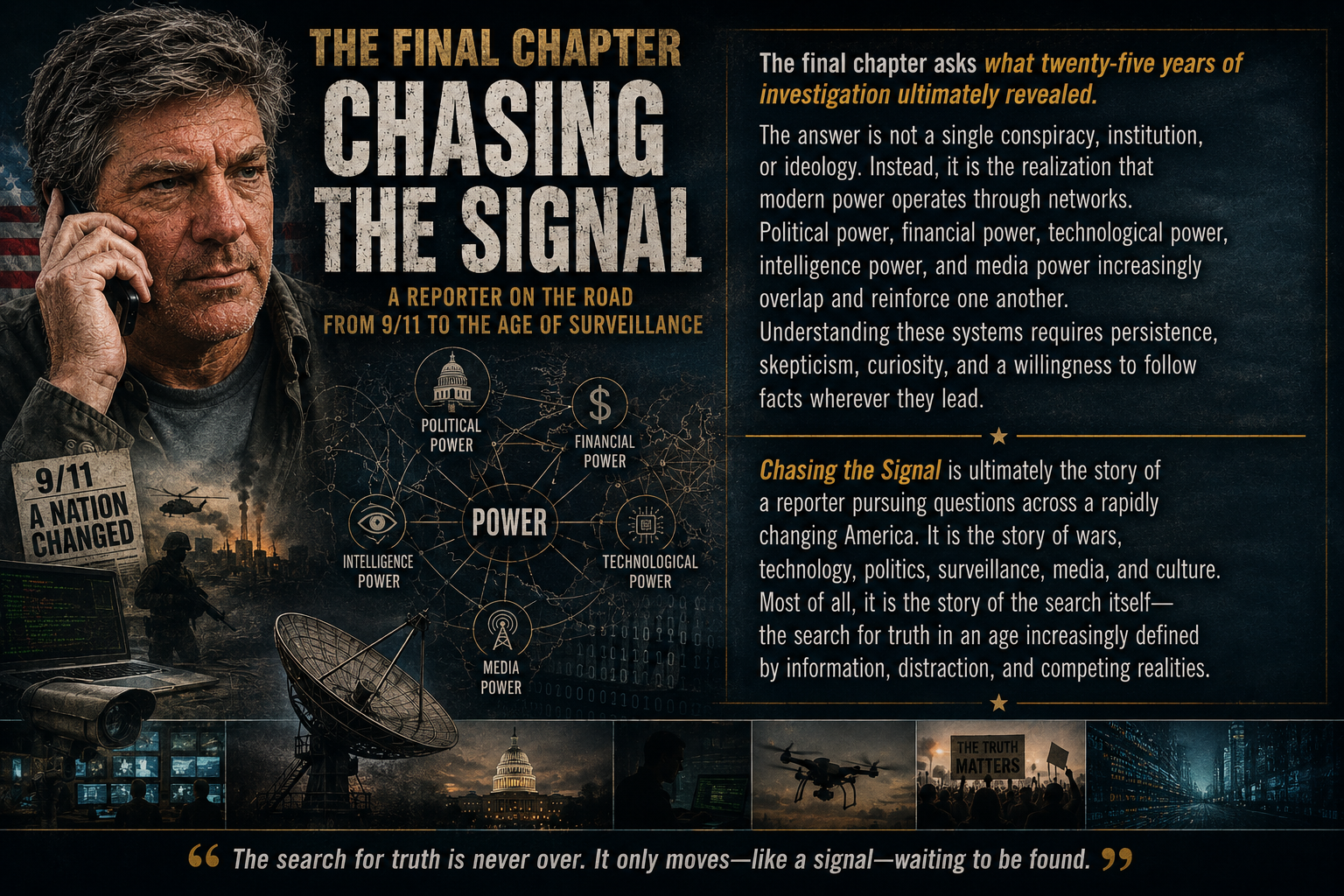
The final chapter asks what twenty-five years of investigation ultimately revealed. The answer is not a single conspiracy, institution, or ideology. Instead, it is the realization that modern power operates through networks. Political power, financial power, technological power, intelligence power, and media power increasingly overlap and reinforce one another. Understanding these systems requires persistence, skepticism, curiosity, and a willingness to follow facts wherever they lead.
Chasing the Signal is ultimately the story of a reporter pursuing questions across a rapidly changing America. It is the story of wars, technology, politics, surveillance, media, and culture. Most of all, it is the story of the search itself—the search for truth in an age increasingly defined by information, distraction, and competing realities.
The signal is still there.
The challenge is learning how to hear it.
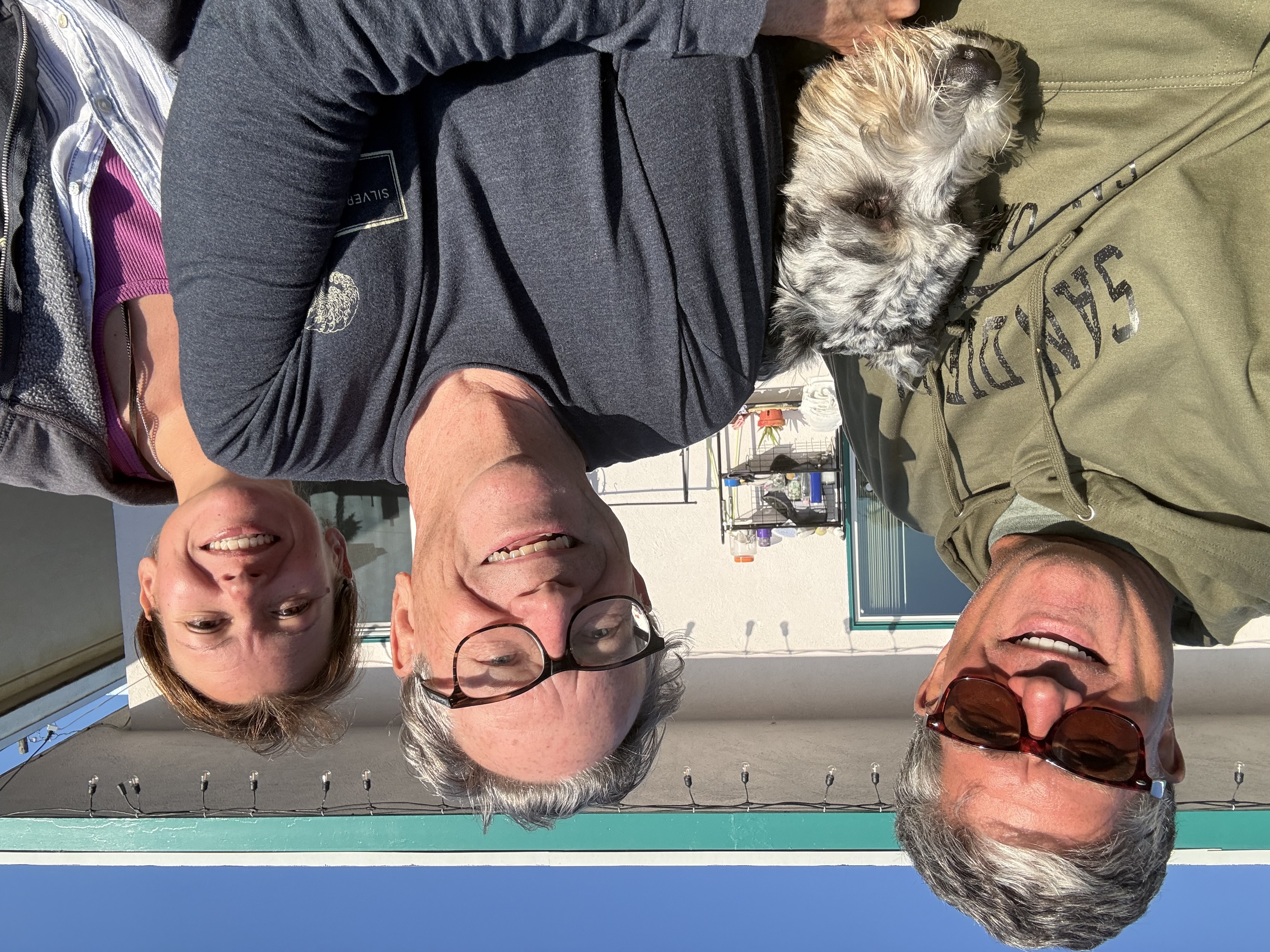
George Webb with Author Peter Duke and his wife Jessica with Quigley, the Wonder Dog in Oxnard, California. Many thanks to Peter Duke over the last decade for citizen journalism charrettes in Southern California until the studio was burned down last year in the Palisades Fire.
Our Neighborhood News And Health group hosts a citizen journalism school on the border of perennial swing states, Michigan and Ohio with frequent news gathering events in Pennsylvania.


Leave a Reply