Everyone Knows Mitch, But Everyone Is Missing Ft. Huachuca
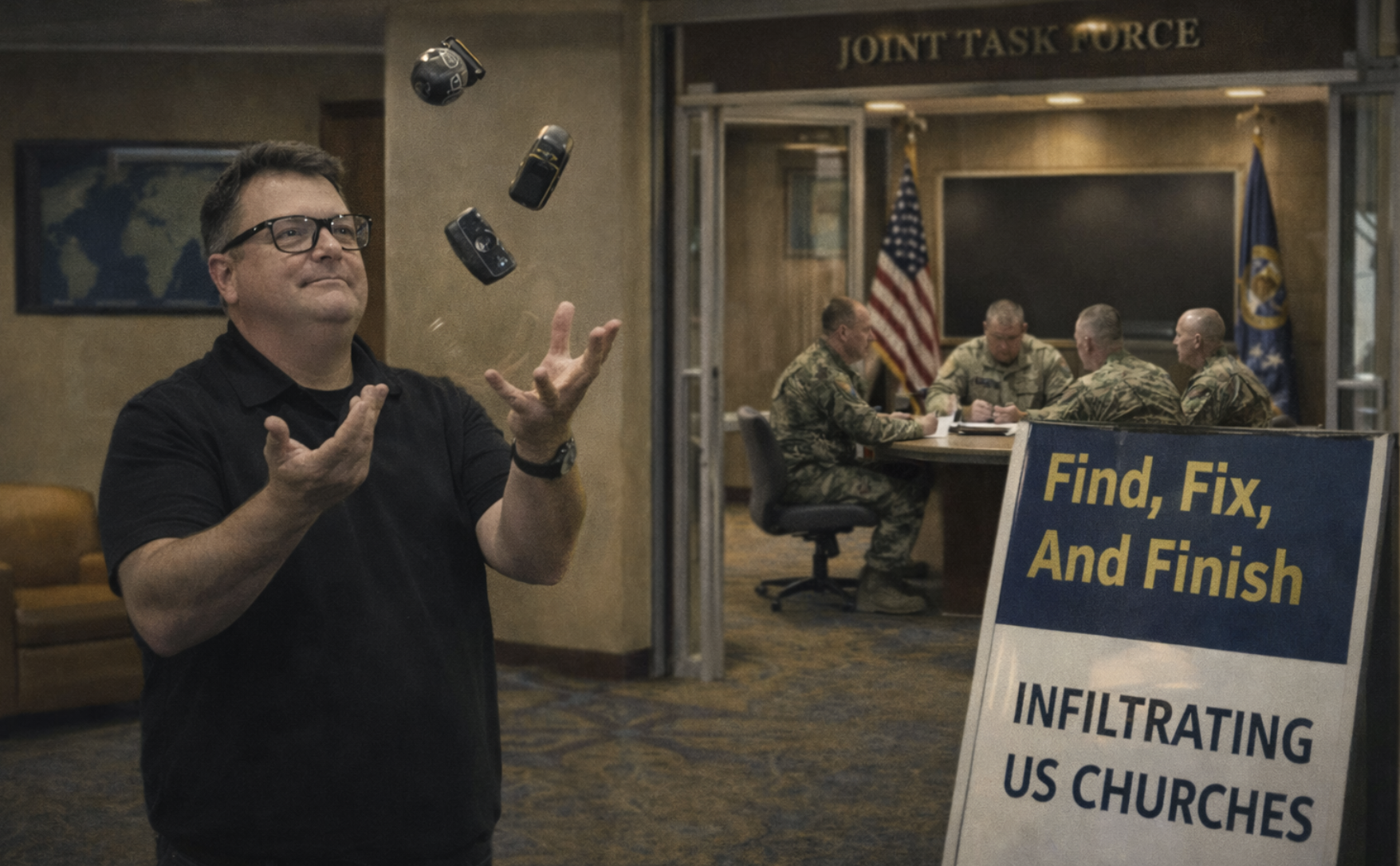
✍️ PART I — The Story Everyone Thinks They’re Watching
I’ve watched enough media cycles over the last twenty years to recognize the pattern instantly. A compelling personality emerges. A dramatic claim is made. Social media lights up. And within hours, everyone is arguing about the character at the center of the story, “Mitch, instead of the system surrounding him at Ft Huachuca.
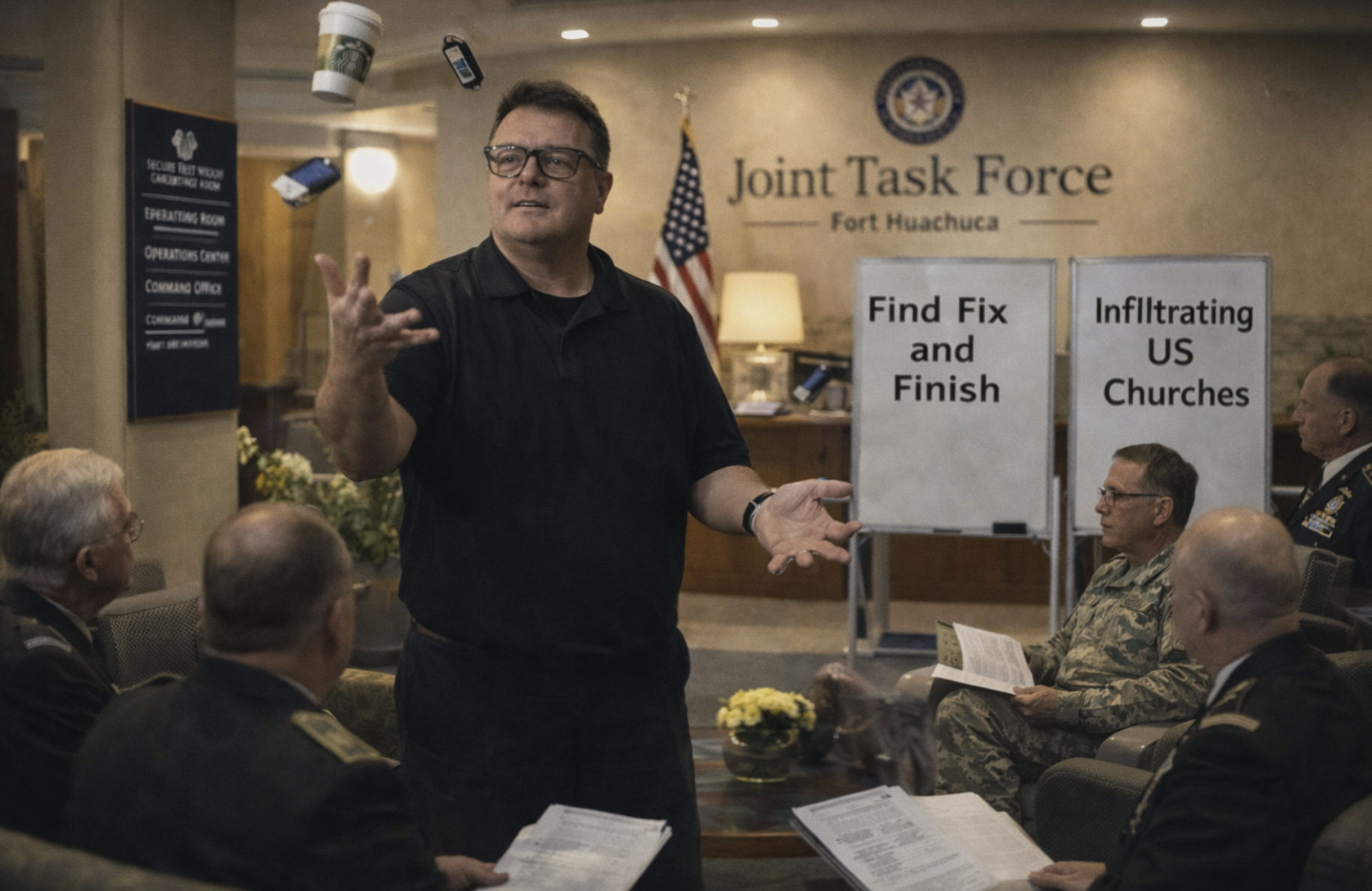
That’s exactly what is happening with the Mitch “whistleblower” narratives now circulating through podcasts, livestreams, and social feeds. The focus snapped to testimony, tone, and credibility—but not to the institutional terrain underneath it. That kind of framing isn’t accidental. It’s familiar. And it’s dangerous.
Citation: New York Times — “The Media’s Post-9/11 Blind Spot”
https://www.nytimes.com/2019/05/07/us/informants-law-enforcement.html
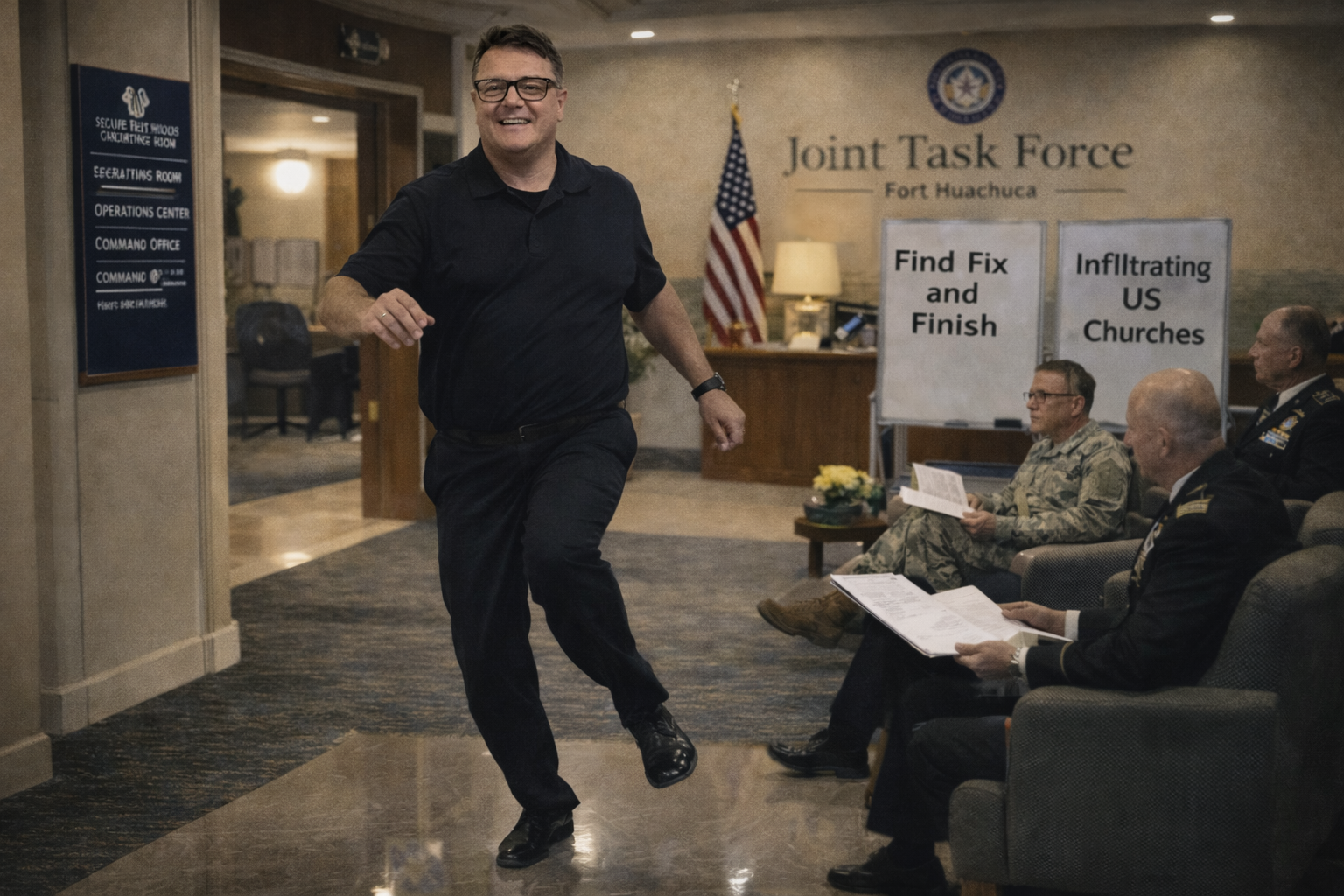
I’ve learned—often the hard way—that when a story feels emotionally charged but structurally thin, you’re being invited into a performance rather than an investigation. After 9/11, media organizations became comfortable narrating national security stories through personalities rather than processes. It’s easier. It’s faster. And it avoids confronting how intelligence institutions actually function.
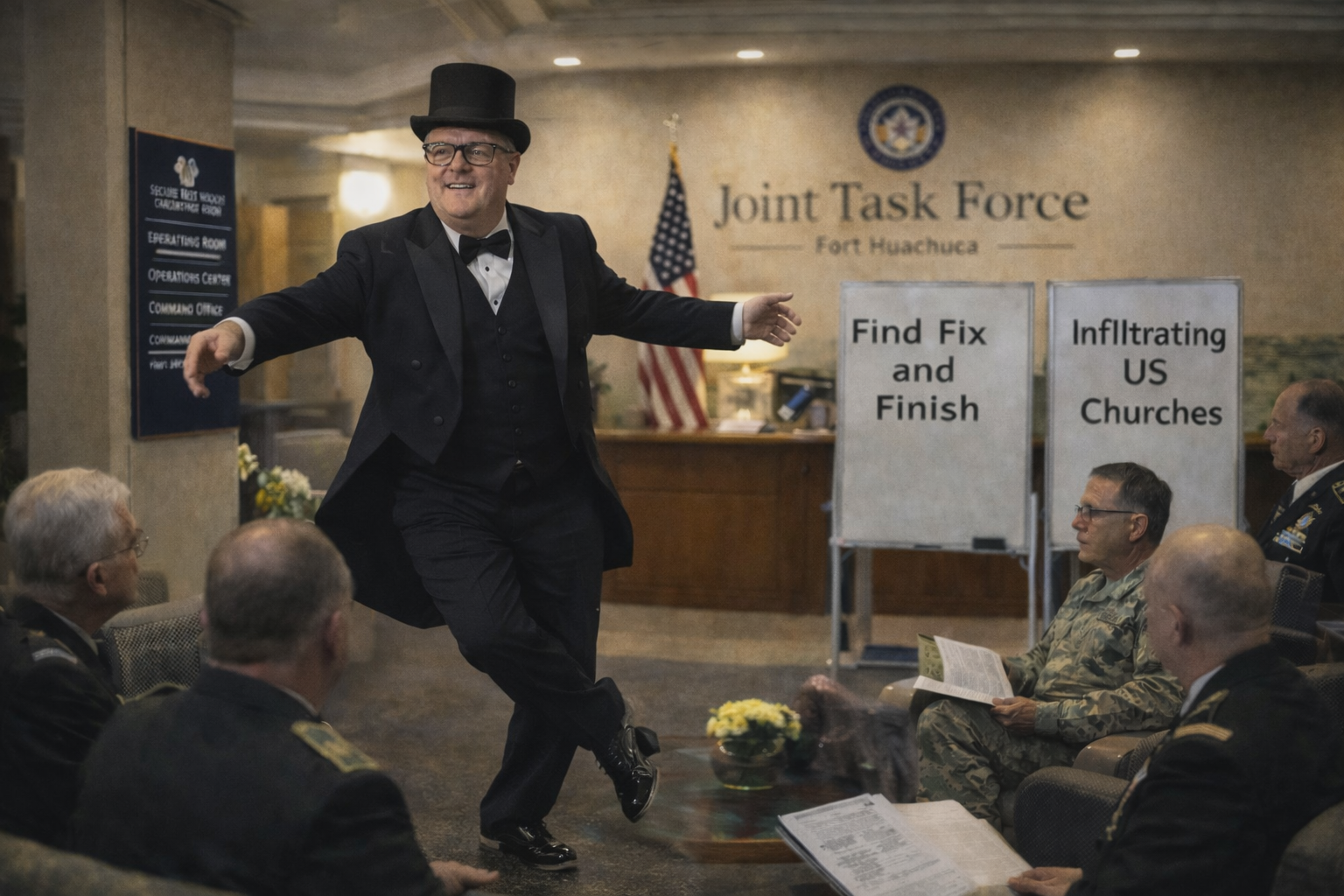
The result is a public that debates motive endlessly while never examining method.
Citation: Reuters — “How U.S. Intelligence Uses Sources and Informants”
https://www.reuters.com/investigates/special-report/usa-fbi-informants/
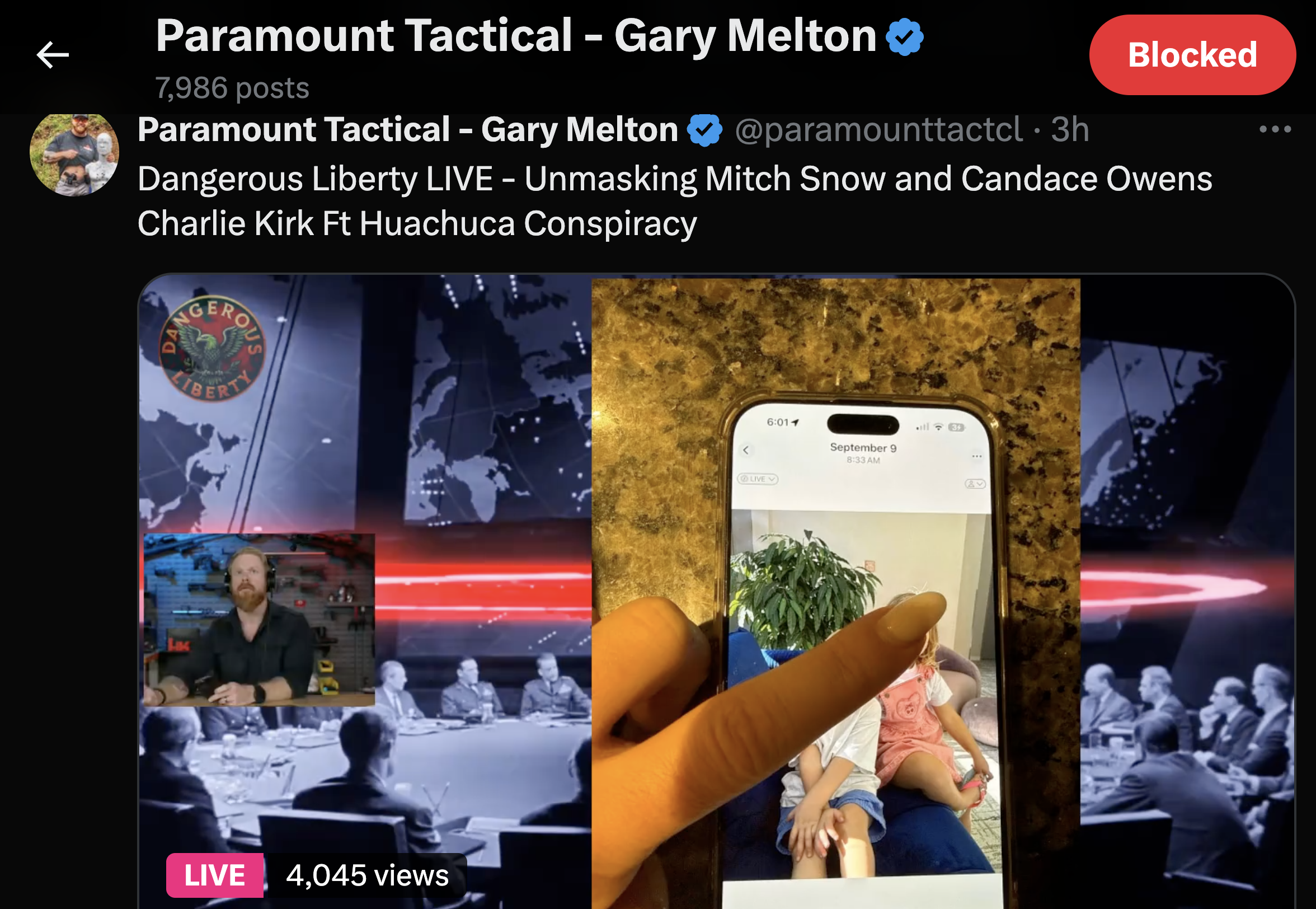
America is fixated with the fact that “Mitch” called his son from Ft. Huachuca at 12:30 PM on September 9th under a name his son didn’t recognize (another piece of metadata suggesting “Mitch” is a Federal Informant).
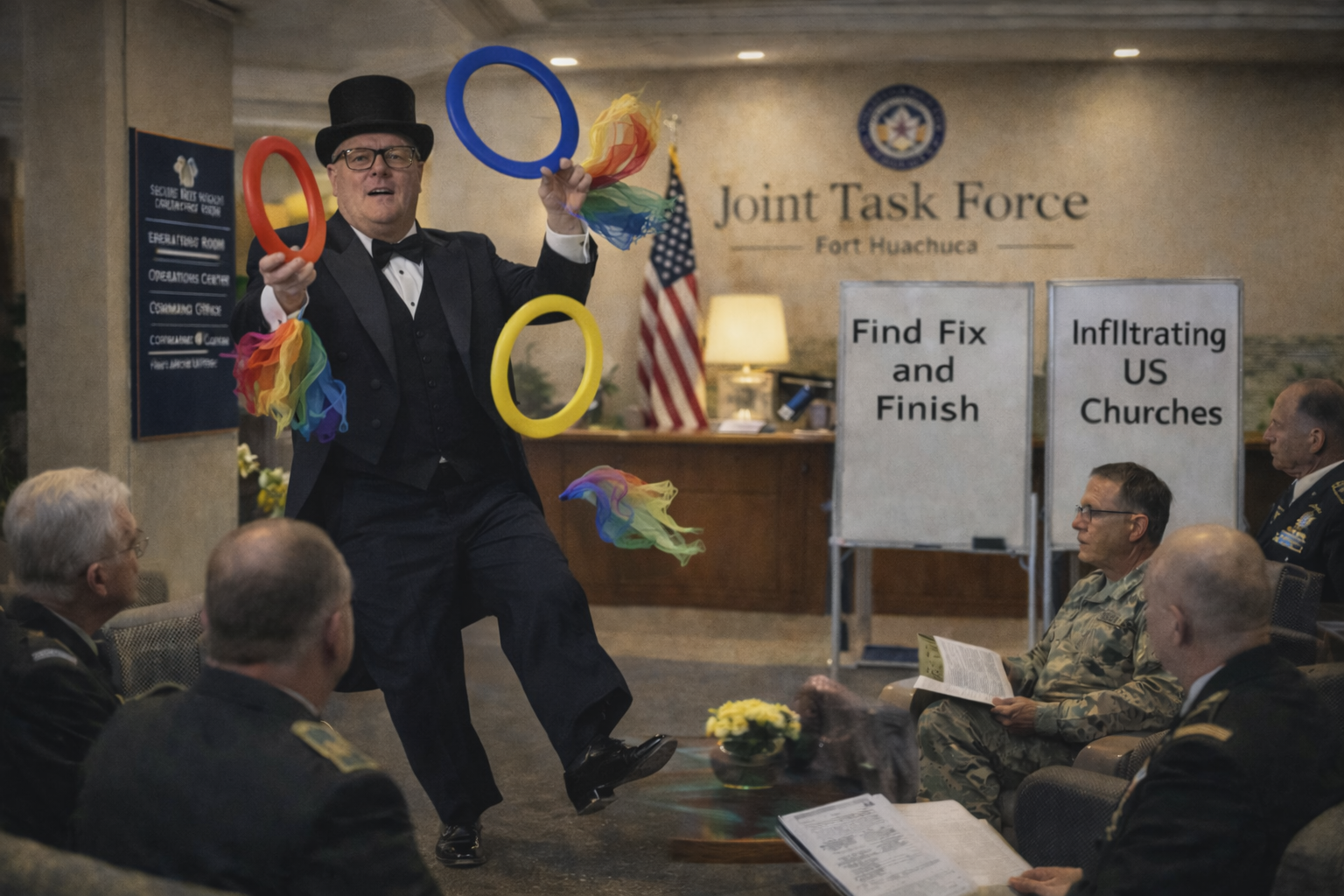
But what is striking in this case is how quickly Fort Huachuca enters the conversation—and how quickly it exits. It’s mentioned almost casually, as if it were just another military base someone passed through on the way to something more important. That tells me most commentators don’t understand what Fort Huachuca actually is – the place where the Defense Intelligence Agency trains spies like the kids at TPUSA to infiltrate churches with pro-War Pastors.
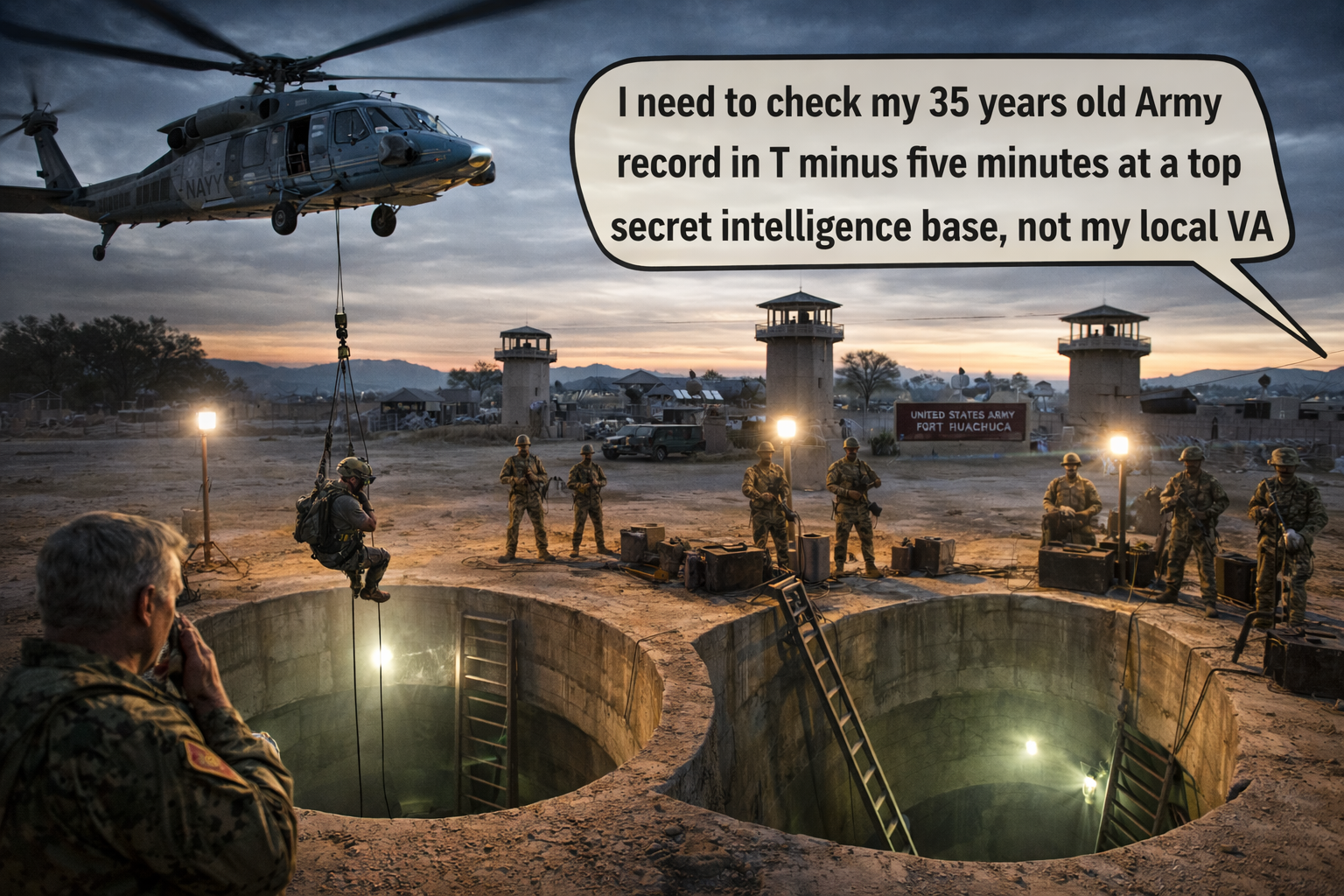
It’s not scenery. It’s infrastructure. It’s where U.S. Army intelligence doctrine is taught, refined, and operationalized. You don’t pass through it by accident, and you don’t misunderstand its purpose if you’ve done your homework.
Citation: New York Times — “At Fort Huachuca, the Army Trains for the Information Age”
https://www.nytimes.com/2018/08/10/us/fort-huachuca-army-intelligence.html
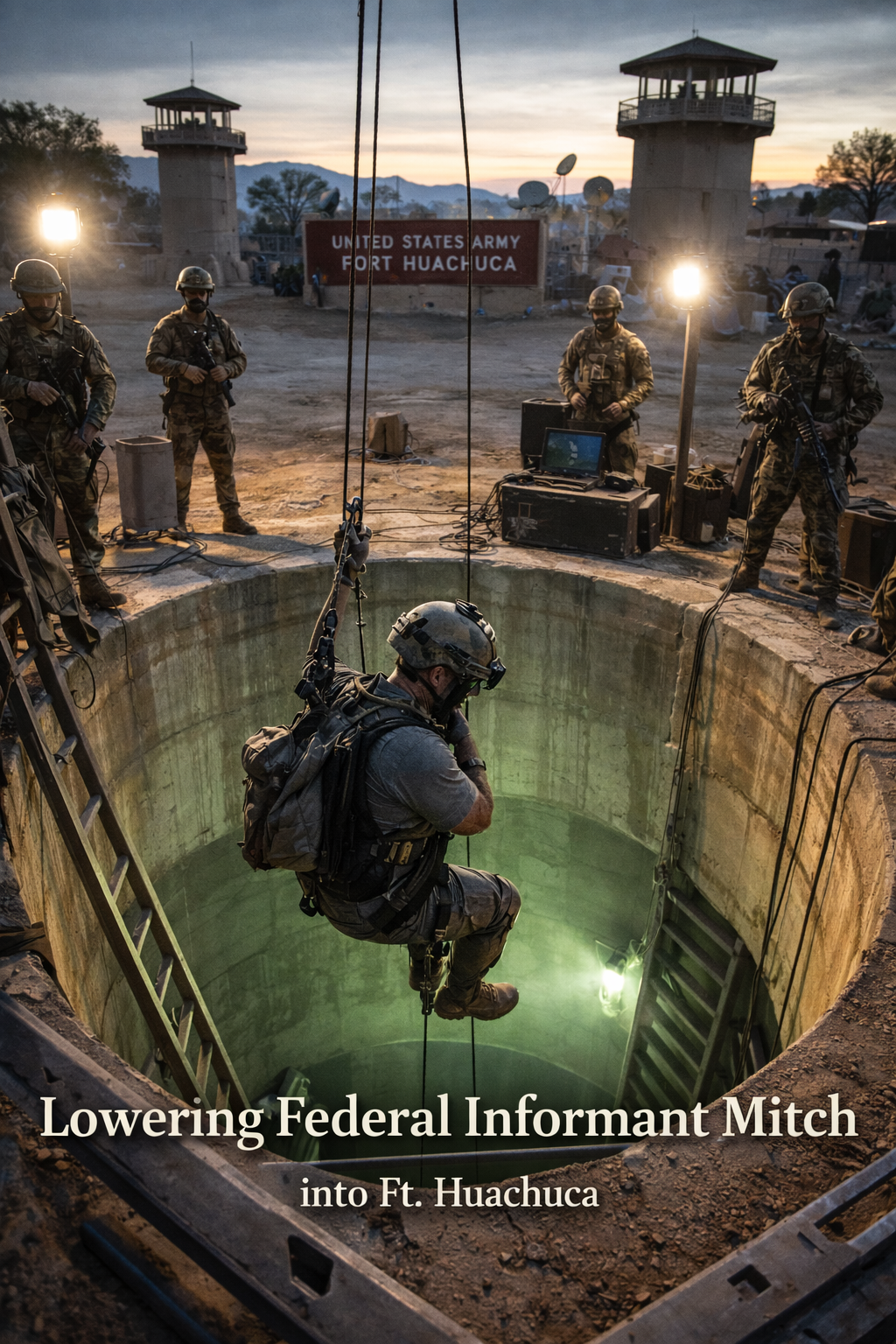
The same thing happens with the Defense Intelligence Agency. People hear “DIA” and mentally substitute “another version of the FBI.” That’s wrong. The DIA doesn’t build cases; it builds capabilities. It doesn’t need courtroom narratives; it needs assets who can operate across time, jurisdictions, and identities. When you ignore that distinction, behavior that looks inexplicable suddenly makes sense—or at least becomes explainable.
Citation: Washington Post — “Inside the Defense Intelligence Agency’s Expanding Role”
https://www.washingtonpost.com/national-security/defense-intelligence-agency-role/2020/09/01/

This is why the obsession with a single phone call, a single claim, or a single personality misses the point. Intelligence stories are never about one person. They’re about architectures: training pipelines, doctrine, clearance regimes, and operational cover. If you don’t examine those, you’re not investigating—you’re reacting. And reaction is exactly where institutional power wants the public to stay.
Citation: Associated Press — “Why Intelligence Agencies Rely on Long-Term Informants”
https://apnews.com/article/national-security-fbi-informants-oversight
PART II — Fort Huachuca Is Not a Bus Stop

Subscribe to continue reading
Subscribe to get access to the rest of this post and other subscriber-only content.


