Music, Drugs, Meet Murder
Echoes of Laurel Canyon
Chapter One
The General’s Problem
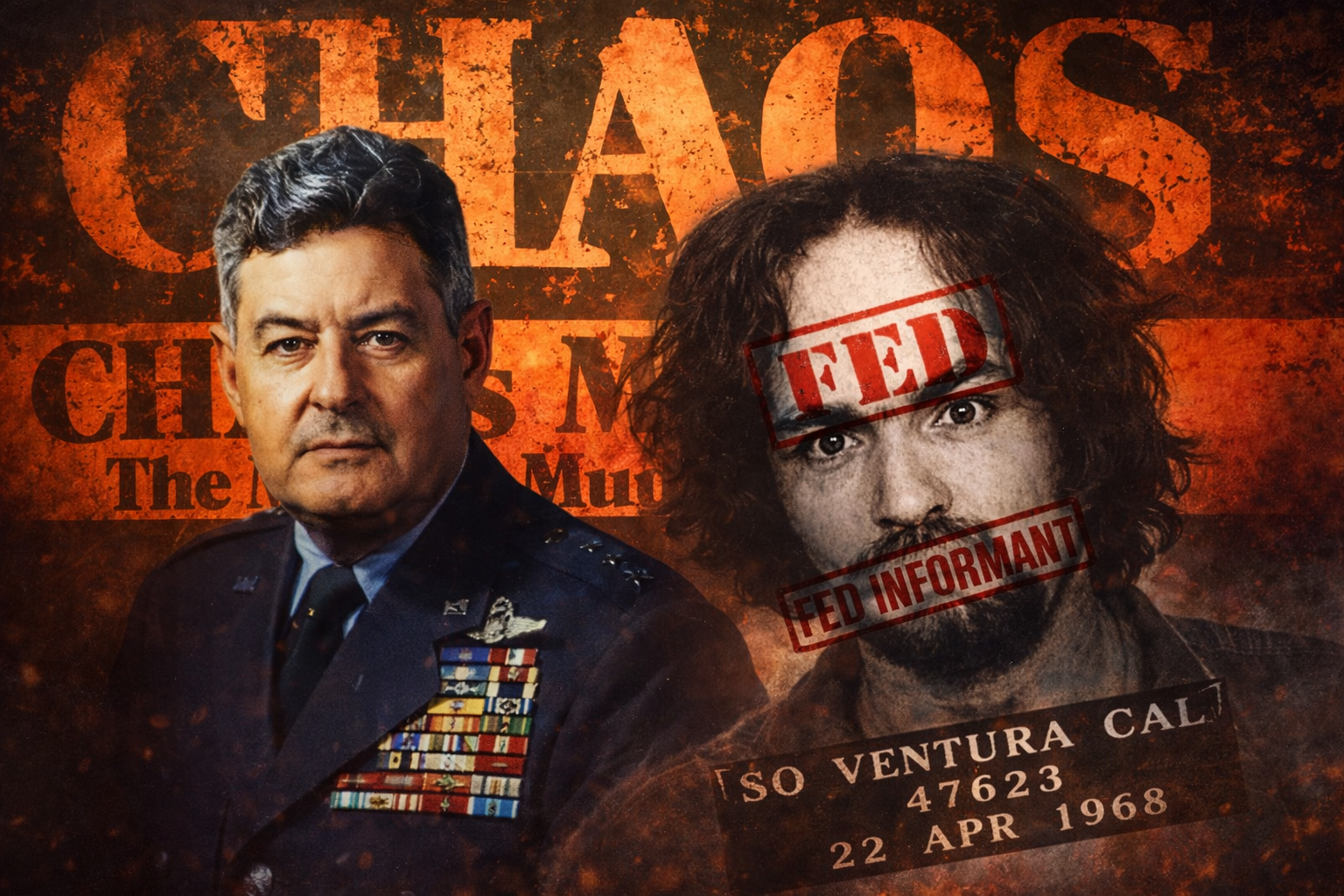
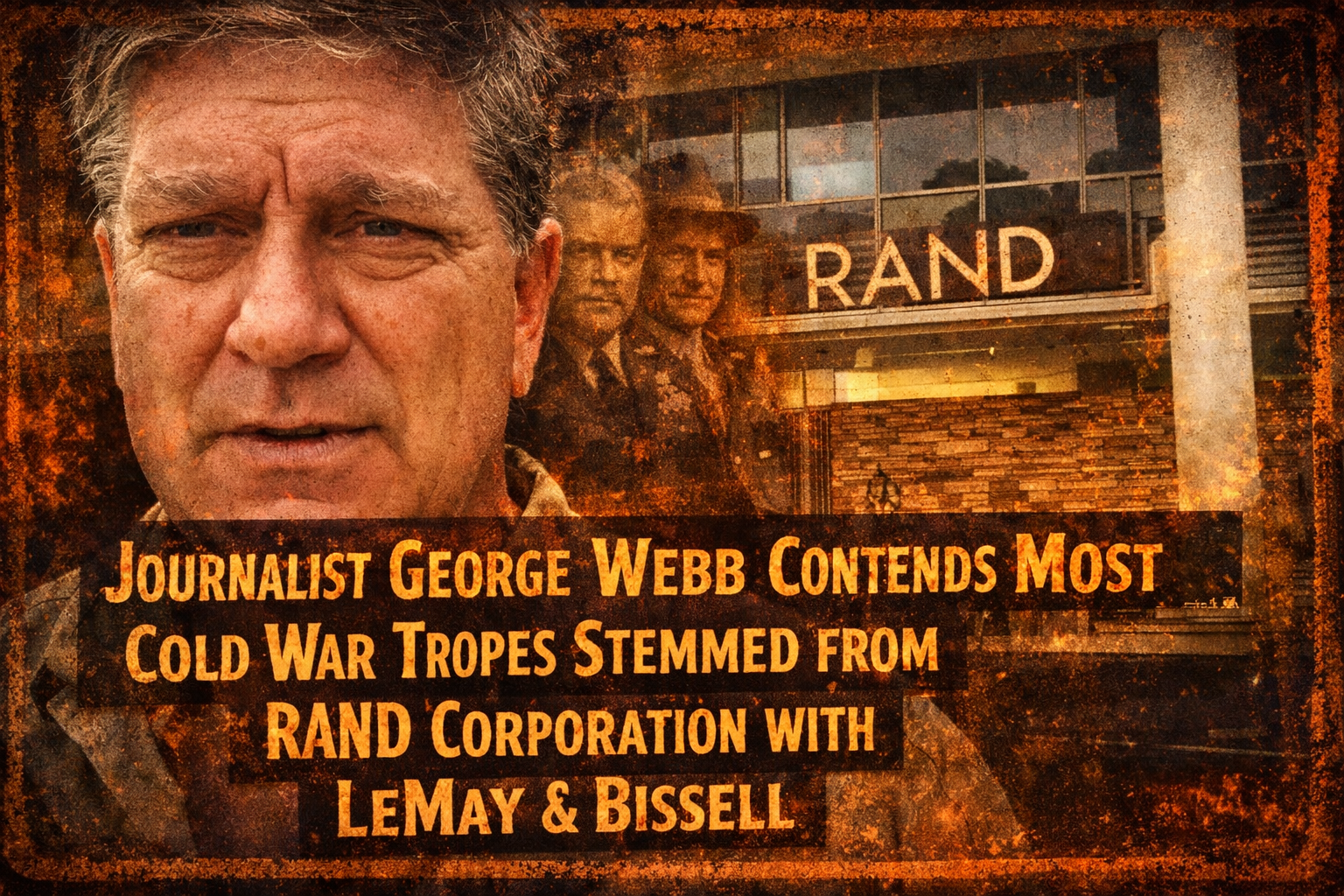
The Vietnam war did not end when it should have ended; it persisted like an unpaid debt, accruing interest in every corridor where the air was too stale for daylight and every chart where the lines rose obediently while the nation’s temper fell away into something darker and less governable. But General Curtis LeMay had an idea about how to stop the antiwar movement.
In those windowless rooms—where men learned to speak in percentages so they would not have to speak in funerals—briefers moved through their slides with the tidy confidence of clerks balancing ledgers, even as the streets outside began to fill with bodies that were not marching toward victory but away from it, burning draft cards, staging teach-ins, and learning, with a speed that frightened the respectable, how to turn opposition into spectacle and spectacle into contagion.
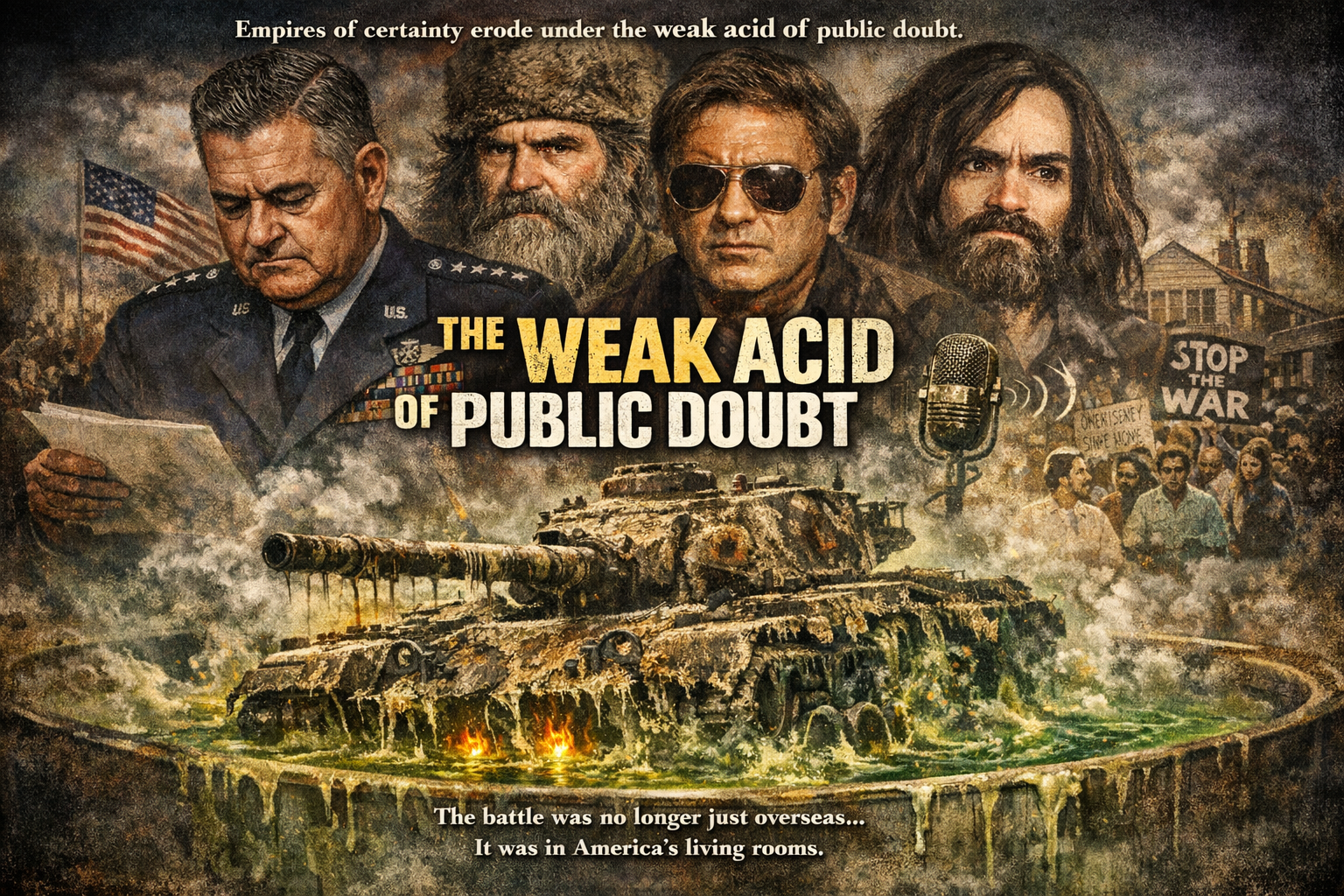
General LeMay read the summaries in silence of those analysts who had the weight of practice. LeMay had seen empires of certainty erode under the weak acid of public doubt in the War. The General knew—though no one in the room wished to say it plainly—that Vietnam was not merely a conflict in jungles and deltas, but a conflict in living rooms, campuses, and radio dials. The argument against the war was no longer policy but identity, no longer a position but a posture worn like a badge.
The classified annexes, military opinions appended to Vietnam reports, did not speak of home or enemy—words are liabilities when committees convene—so they chose the sterilized diction of influence, agitation, sentiment, and “foreign fingerprints instead. LeMay truly believed the Vietnam unrest was a smudge that might be lifted with the proper solvent, and as though the solvent would never leave a stain of its own.
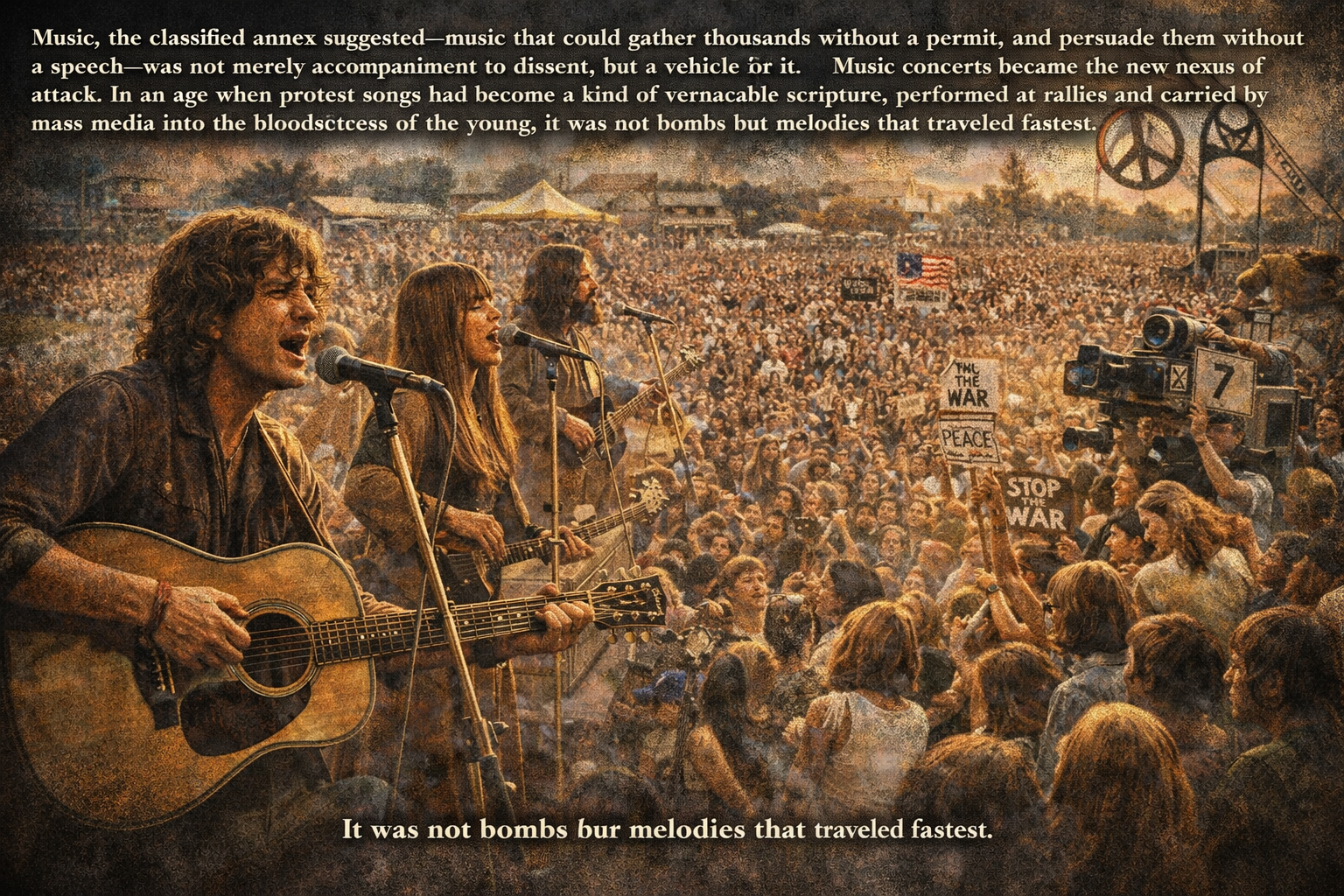
Music, the classified annex suggested—music that could gather thousands without a permit, and persuade them without a speech—was not merely accompaniment to dissent, but a vehicle for it. Music concerts became the new nexus of attack. In an age when protest songs had become a kind of vernacular scripture, performed at rallies and carried by mass media into the bloodstream of the young, it was not bombs but melodies that traveled fastest.
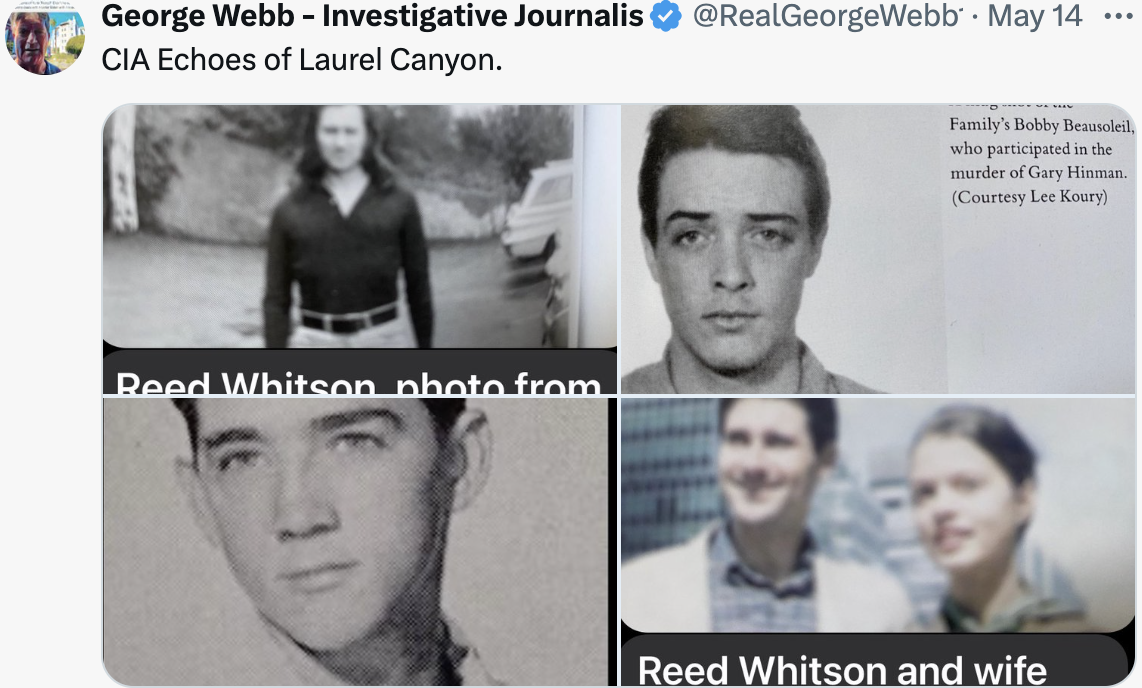
Laurel Canyon appeared in the annex reports as geography, a fold above Los Angeles, a tangle of roads and rented houses and sudden fame, yet in practice it was something more useful and more dangerous: a junction where scenes bled into one another, where artists and activists shared rooms, microphones, lovers, and rumors, and where the documentary eye—always hungry for a myth—could turn proximity into destiny.
In this Bomb’s Away LeMay book’s world, the 60’s music culture was the General’s “problem”, and that “problem” becomes the military planner’s temptation. If the hippie culture cannot be bombed, then the hippie culture must be bent; and if the anti-war movement draws strength from its glamour, its music. The hippie rock culture’s sense of moral pageantry was its bedrock foundation, which would not be defeated with war propaganda or argument so much as with corrosion, but rather by making it look sickly, predatory, unhinged, and, above all, unsafe to stand near.
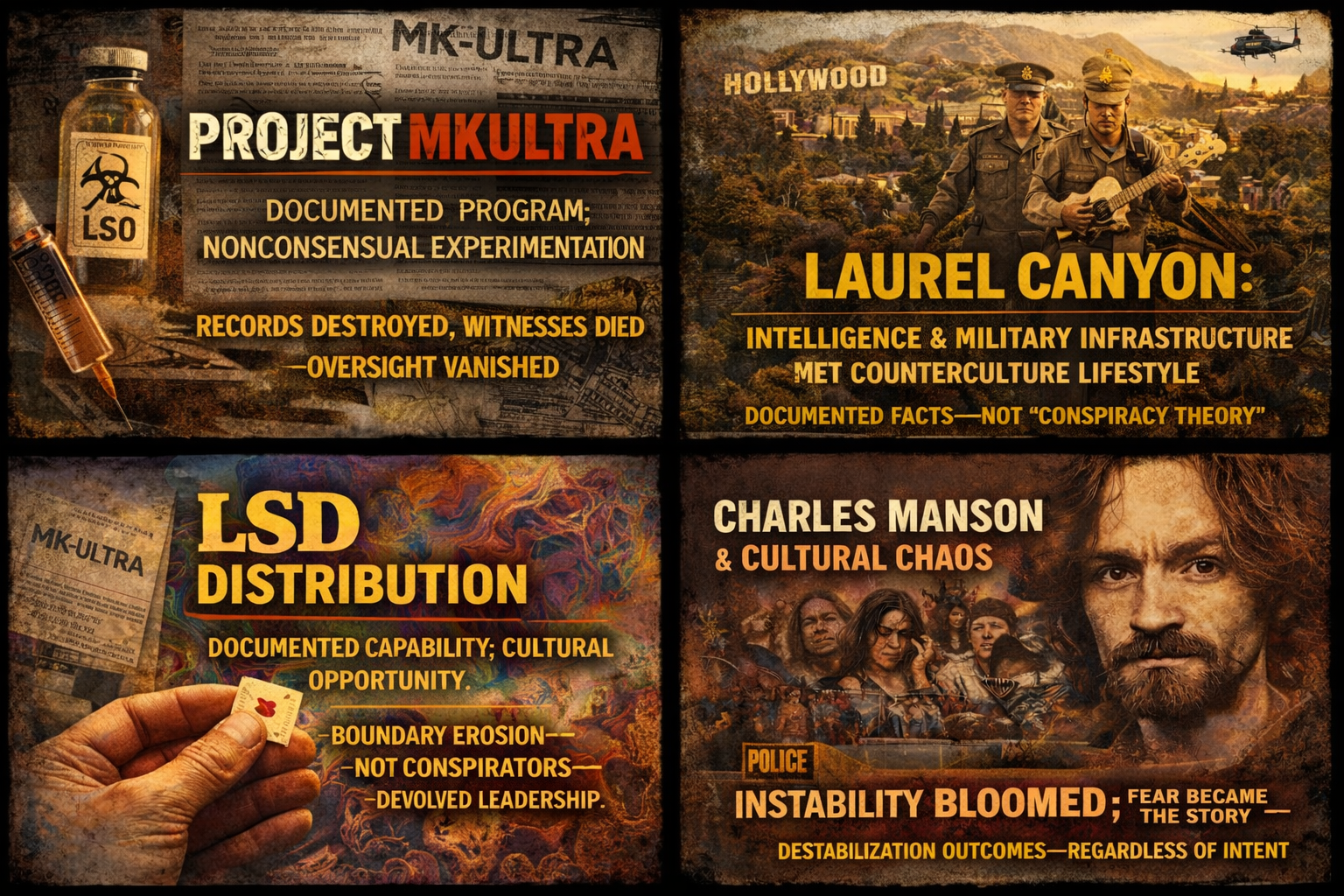
The program already existed, which was the beauty of it—nothing to propose, nothing to authorize in the bright ink that later becomes exhibit A—only an apparatus to re-aim; Operation CHAOS, real in history and noisily scrutinized afterward, becomes, in this novel, the bureaucratic skeleton upon which a more theatrical creature might be hung, a creature that does not “command” so much as encourage conditions.
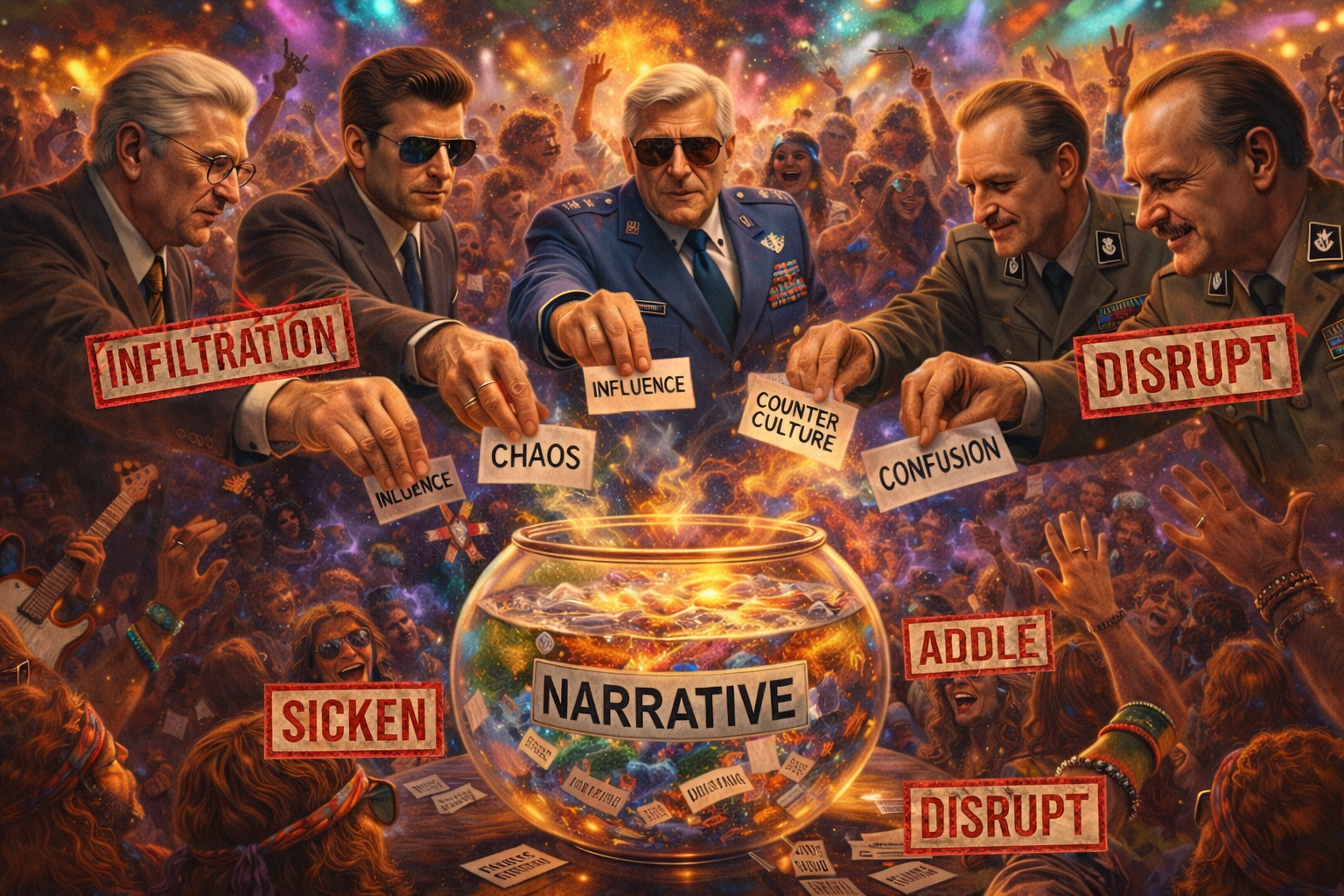
They needed, therefore, not a battalion but a handful of faces of a generation; not generals but introductions to music icons; not orders but invitations to Beverly Hills pool parties. If one wished to smear an anti-war movement whose power was aesthetic as much as political, one would seek entry through aesthetics—through musicians, hangers-on, and the soft underbelly of celebrity—because a microphone is a form of access, and access, once gained, becomes its own justification.
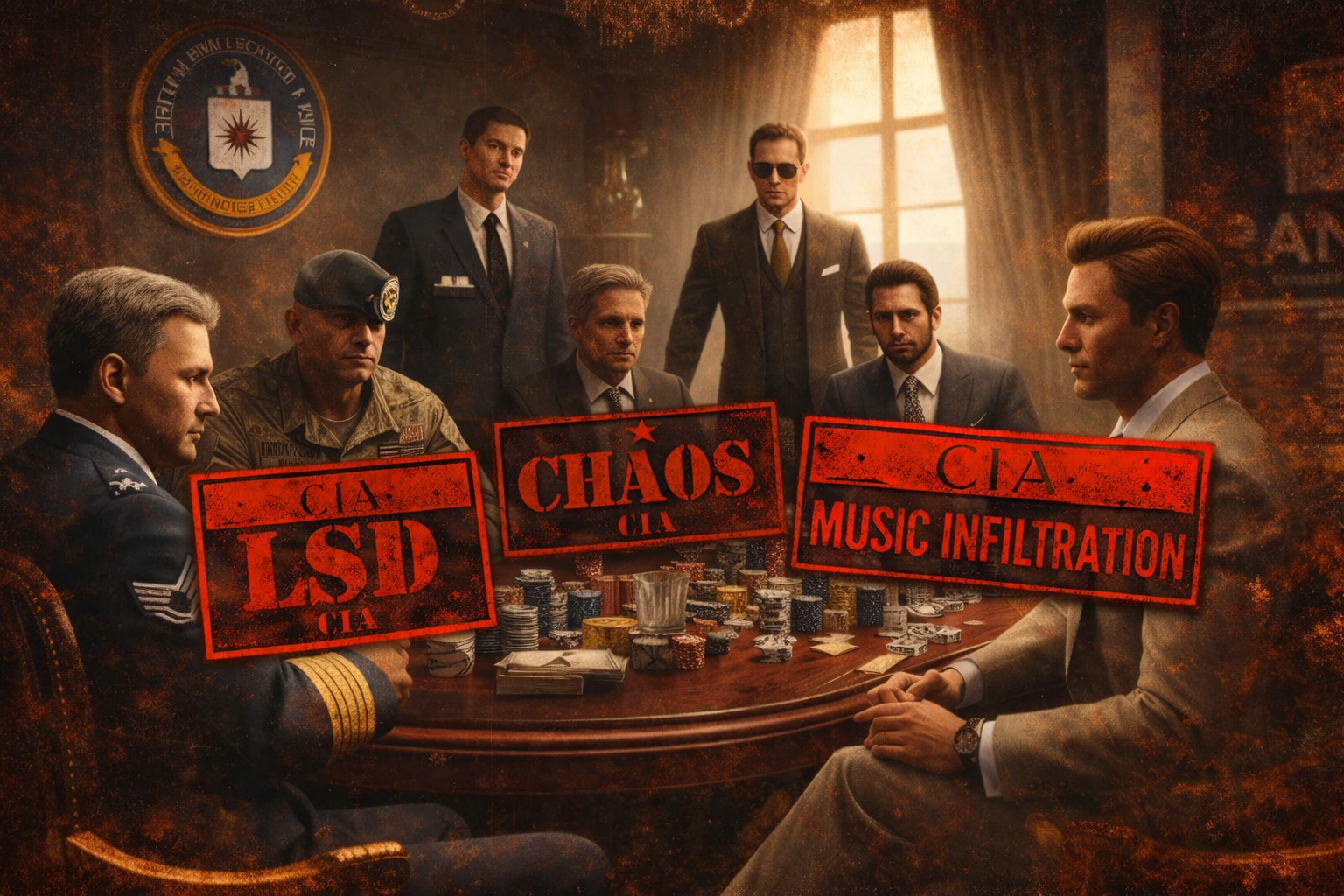
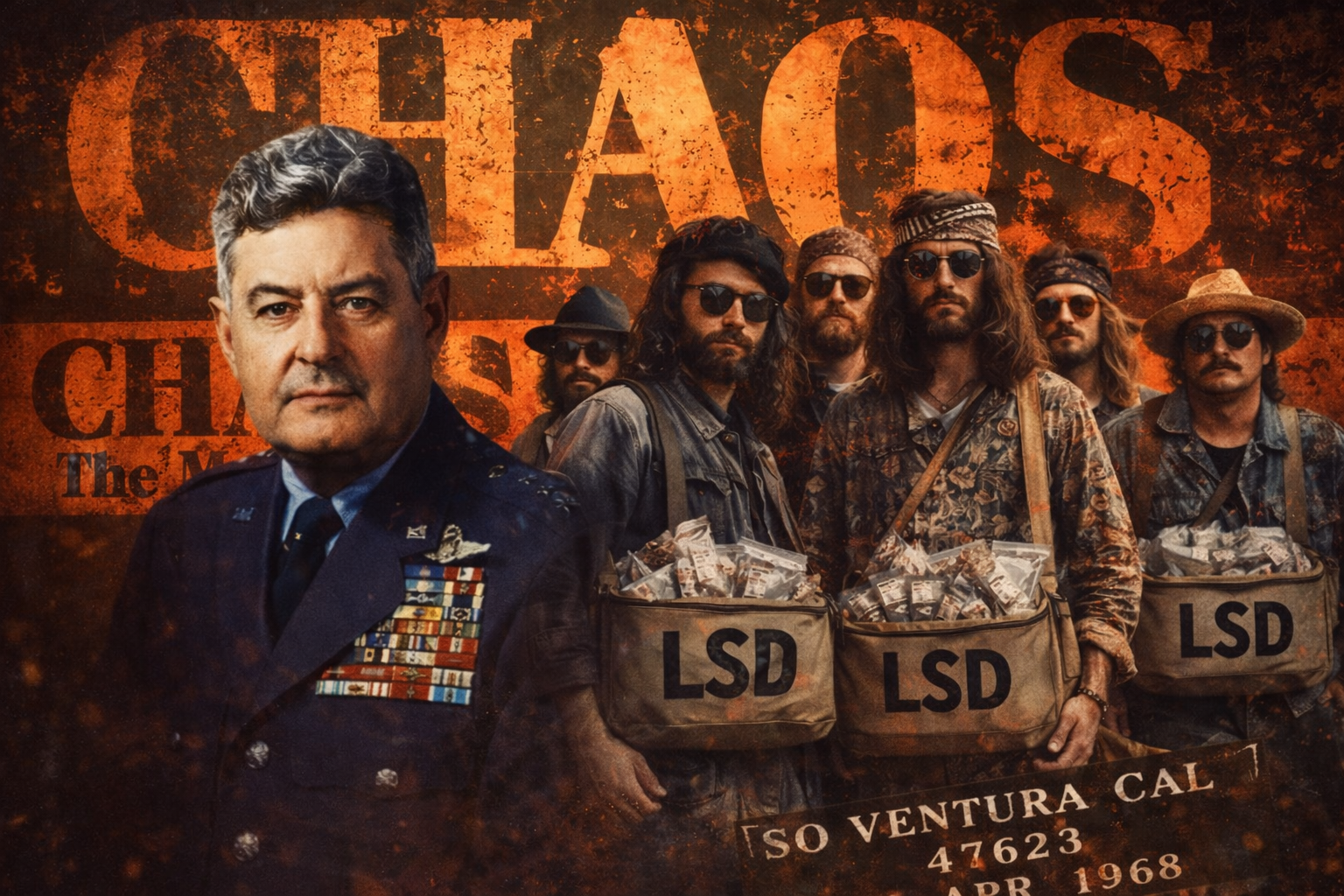
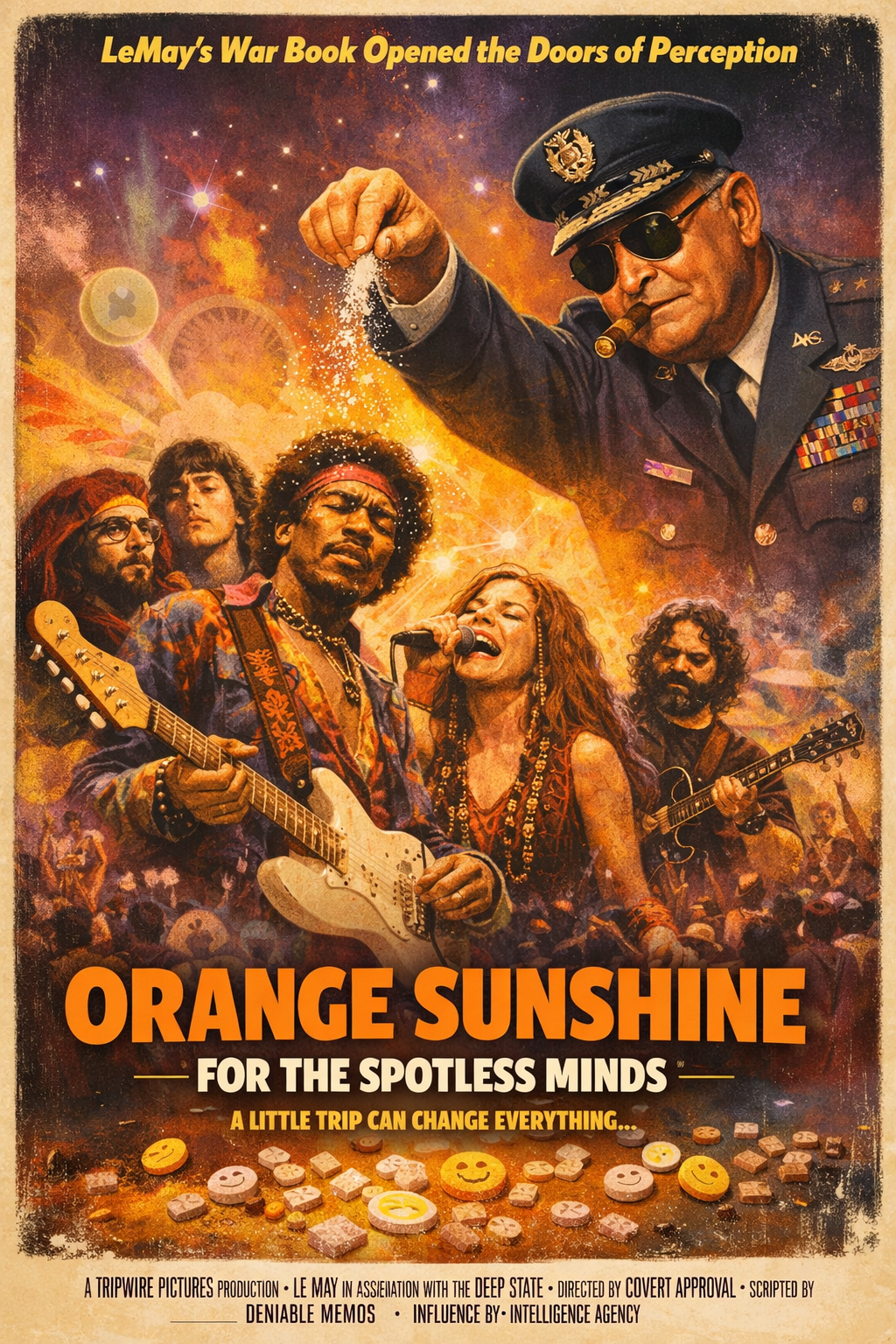
The LSD drug—already in the air of the era, already a rumor of revelation—did not need to be invented, only to be made ambient. General Bombs Away LeMay’s War Book leaned on the well-documented fact that Cold War institutions experimented with psychedelics. Psychedelics like LSD were subtly made available to the hippie culture’s heroic characters. LeMay, in his deniable memos and careful half-sentences, treats “availability” as a lever that can loosen discipline of the anti-war movement, dissolve hierarchies, and make suggestions feel like insight.
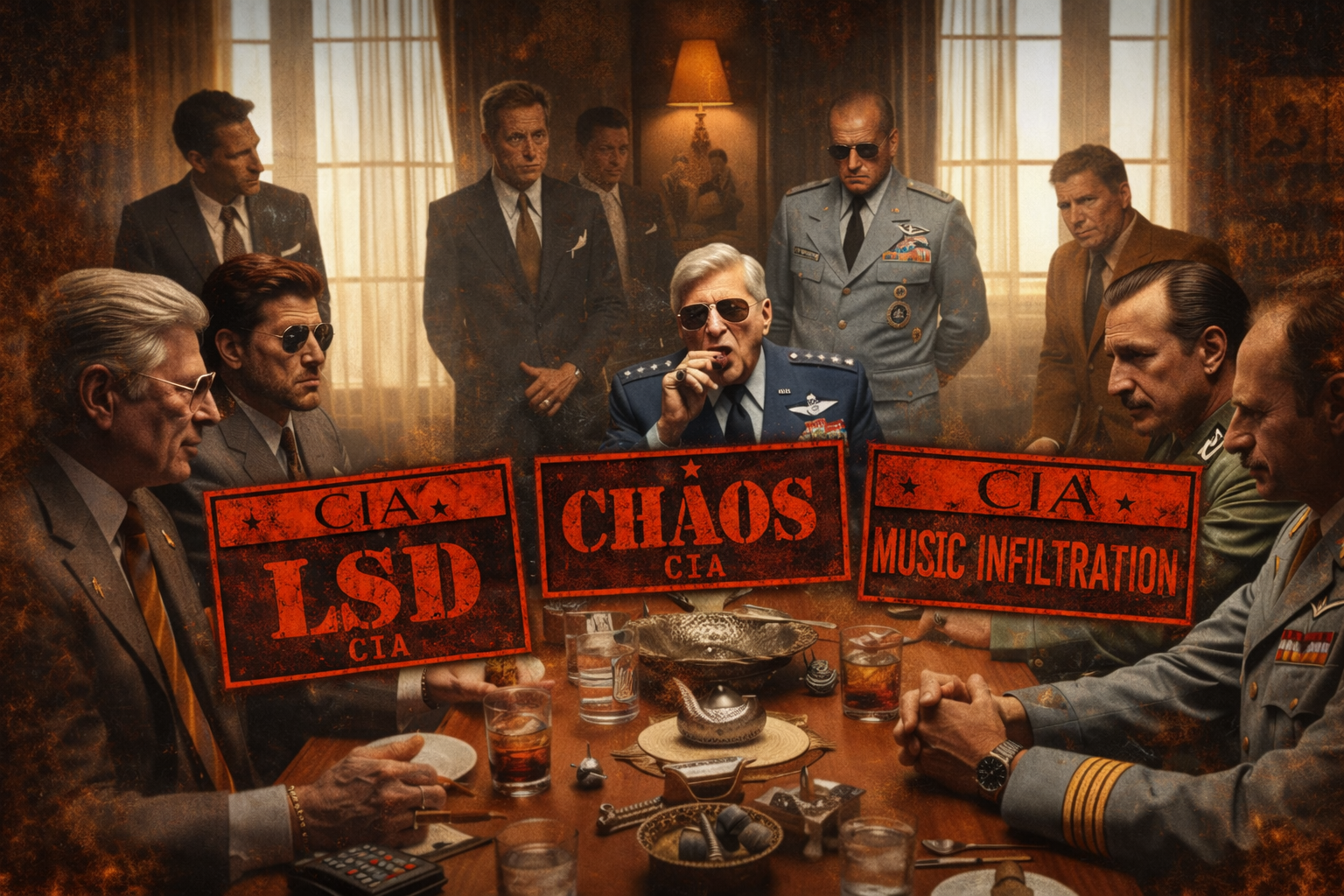
And then there is the human instrument—no formal recruitment, no handshake that creates ownership, only a young man who enters the system sideways, useful precisely because he is unstable, because he listens too well, because he reflects a room’s fears back at it until fear becomes doctrine; in the novel’s logic, he is the sort of “asset” a cautious bureaucracy prefers—plausibly unaffiliated, endlessly deniable, and therefore, in the end, uncontrollable.
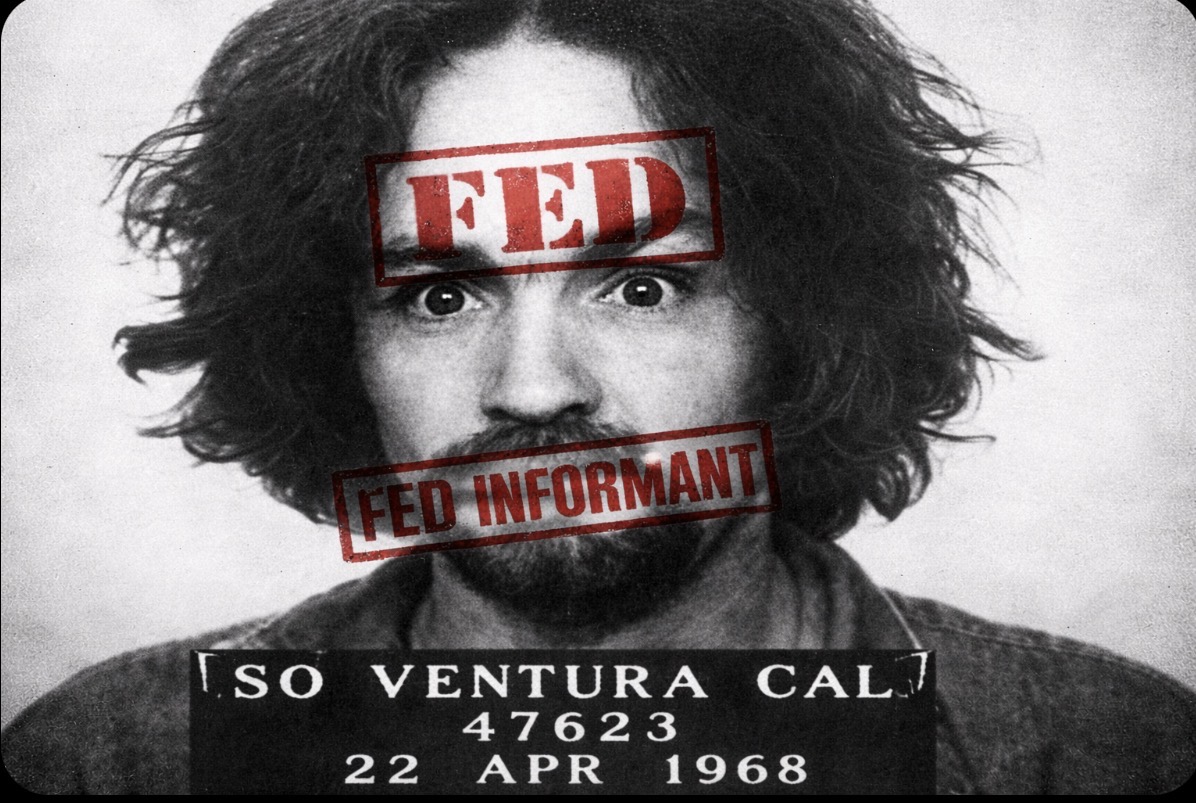
To make the hippie smear stick, the LeMay War Book insists, one must do more than whisper in offices: one must stage the grotesque where cameras might find it, attaching decadence to dissent like mud to a hem. Here is where Charles Manson is plucked and dropped into the Dennis Wilson chapter of the American fever-dream.
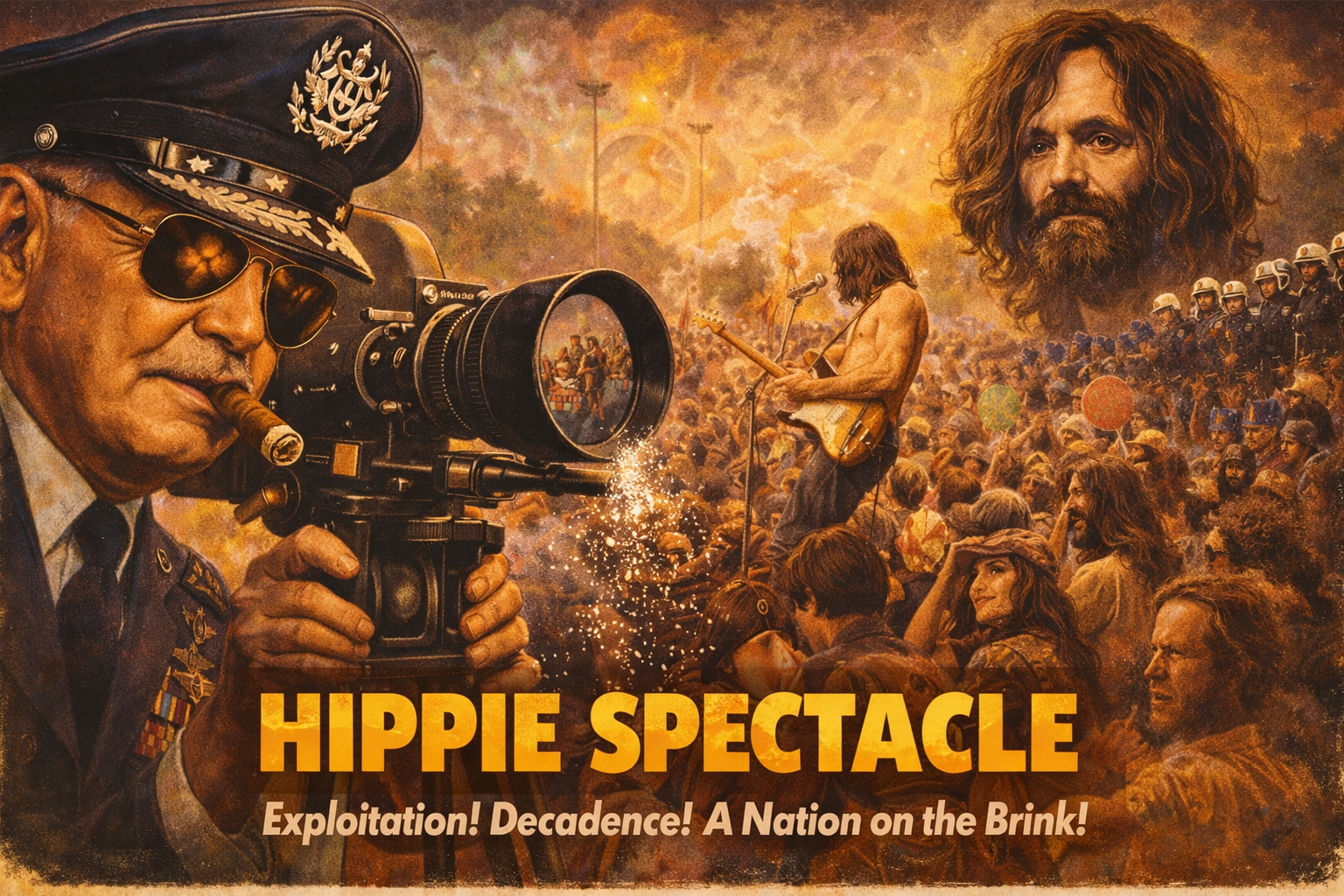
Charles Manson was inserted, not just drifting into a Beach Boys musician’s orbit, the house becoming a carnival of permissiveness, women and hangers-on and spectacle—so that “counterculture” can be photographed not as conscience but as contamination.
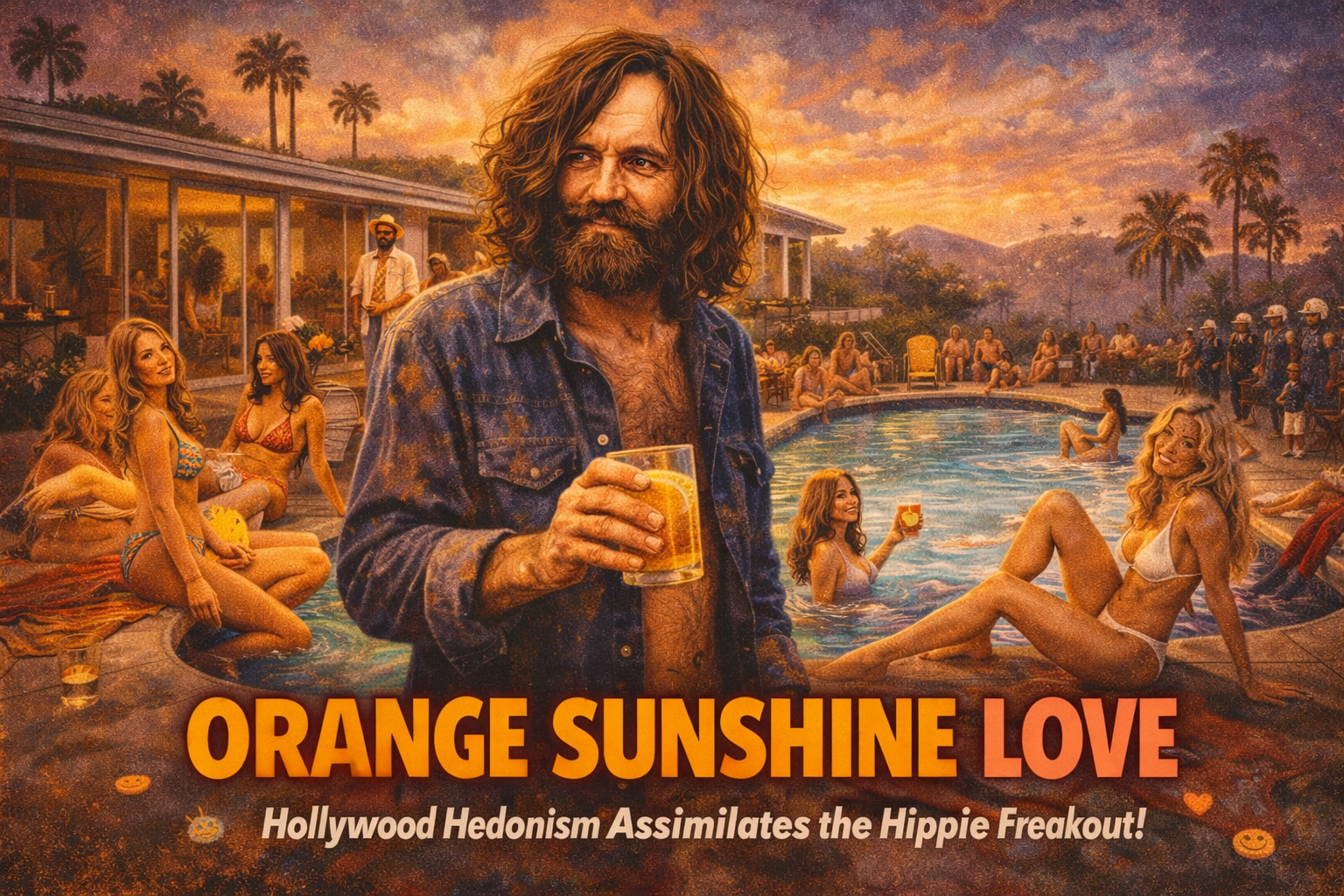
The genius, if one can use that word without tasting ash, is that nobody needs to say, We did this; the environment does the ordering, the press does the framing, the public does the concluding, and by the time CHAOS hearings arrive there are only fragments—program names, overlapping jurisdictions, missing files—while the larger moral outcome has already settled into the national memory as if it had always been inevitable.
But the program emerged as the Mason Compromise. Before the Epstein compromise, there was the Manson compromise at the mansion of Dennis Wilson of the Beach Boys. Manson Compromise was sex, drugs, and Rock ‘n’ Roll, by the pool, with nude girls from San Francisco to LA, all taking in the Orange Sunshine called LSD.
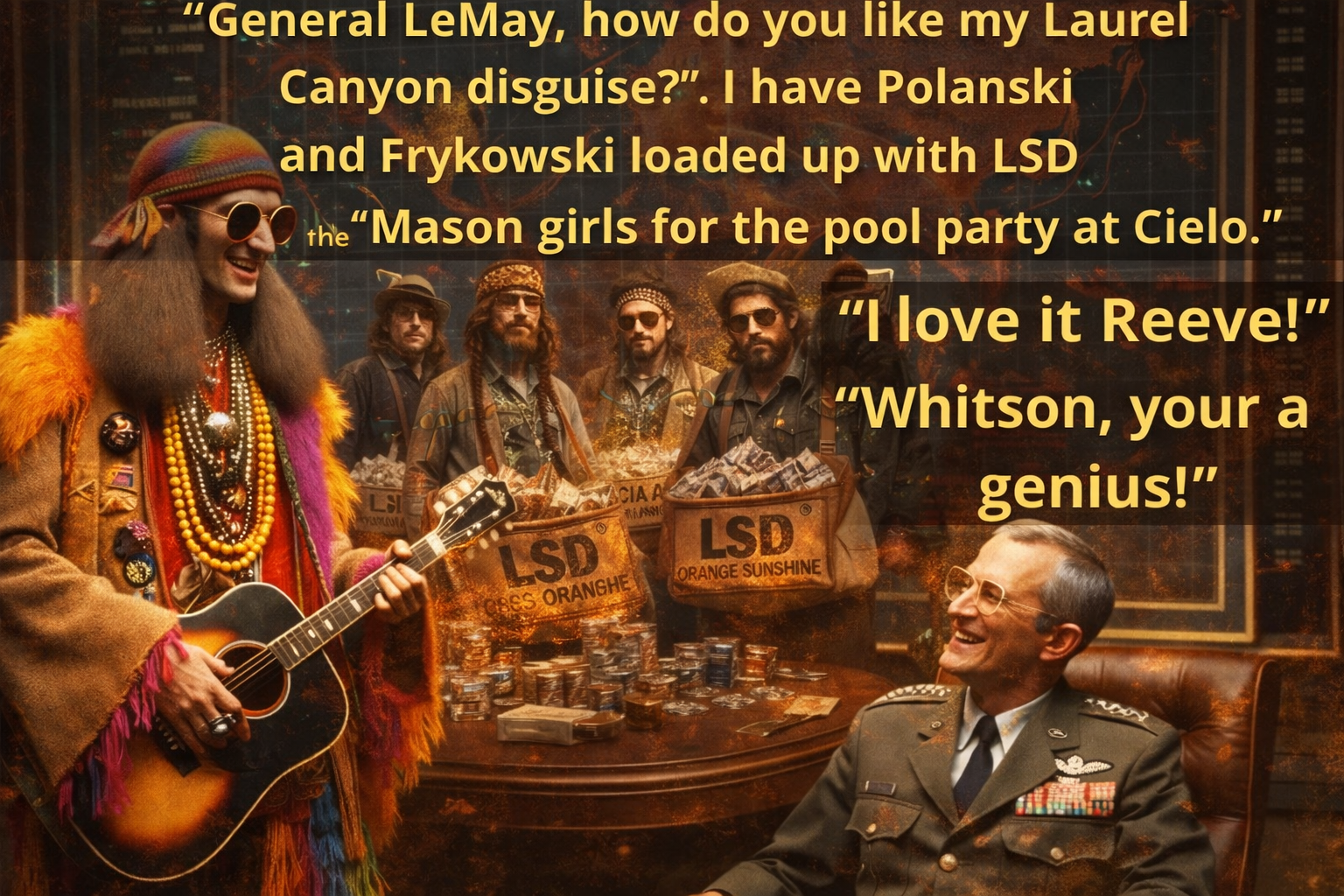
By morning—this is how the chapter closes—the calls do not go first to the musicians, because musicians are symptoms and not administrators of meaning; they go to editors, producers, and the men who choose verbs, because the nation may forgive an argument but it rarely forgives a story once the story has found its shape, and shape, once given, is difficult to un-give.
Chapter Two — CHAOS Remembered by Machines and Memoirs

Subscribe to continue reading
Subscribe to get access to the rest of this post and other subscriber-only content.


