By an investigative journalist in the field

Part 1 – The Sanctuary on the Border
I woke before dawn in the old farmhouse that sits on the Michigan-Ohio line, a place where the sun climbs slowly over the bean fields and the only sound is a John Deere coughing itself awake.
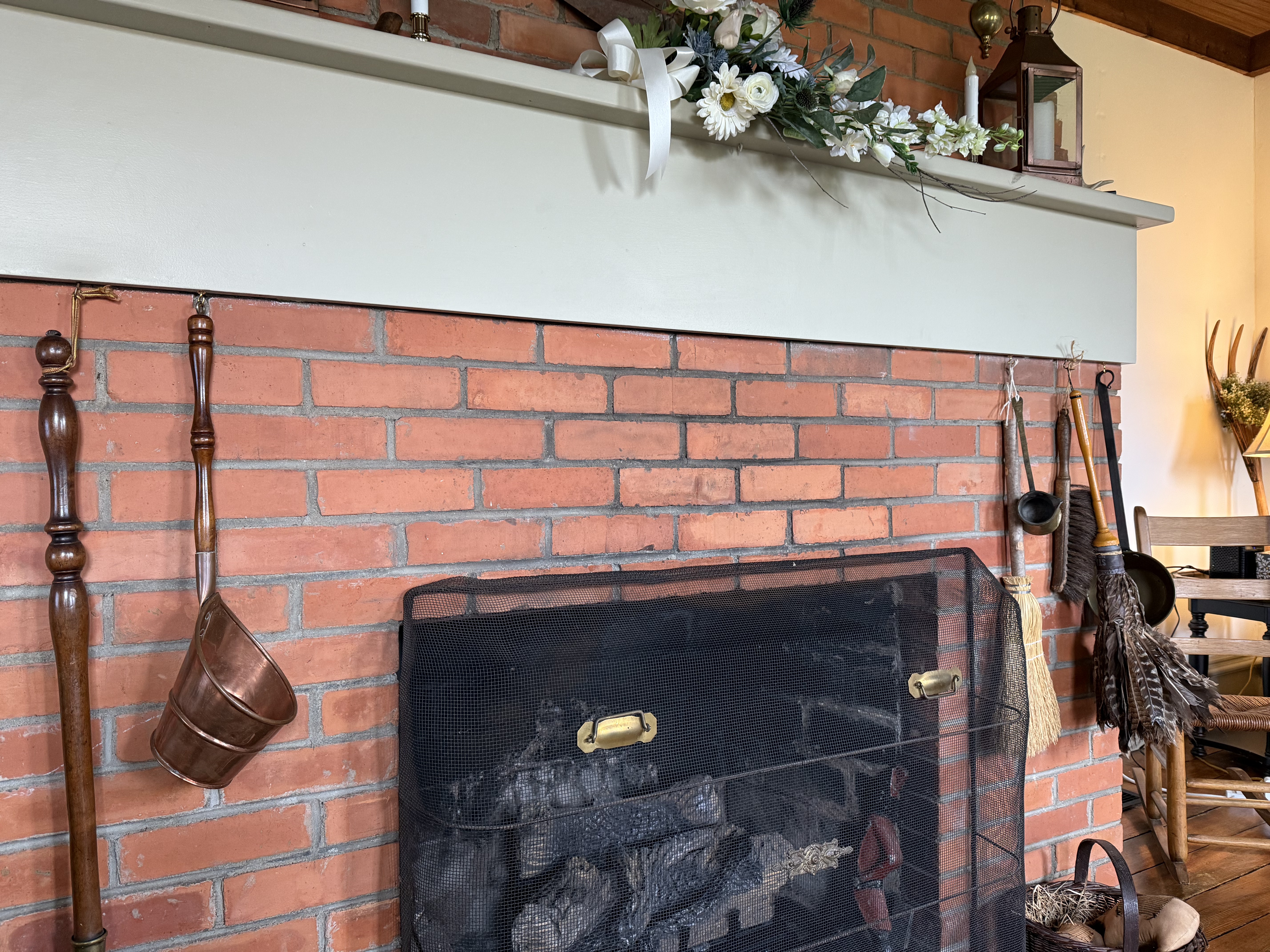
The house was built in 1847—hand-cut timbers, limestone foundation—and its walls carry the echo of people who farmed this ground when “America First” meant keeping the well clean and the barn roof tight. Can they throw me in jail for violating the gag order? Not here in Michigan!
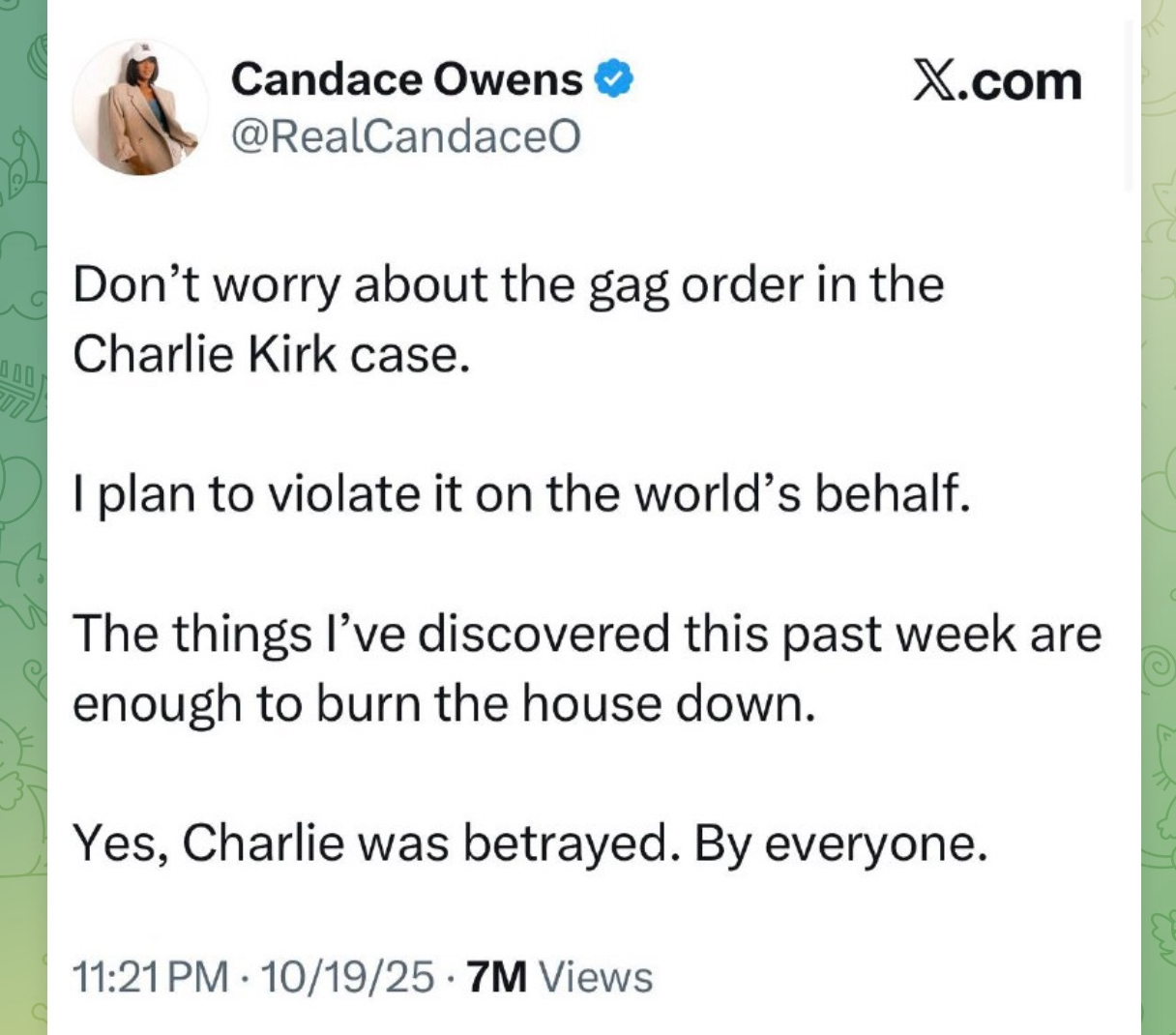
My followers didn’t even have time to ask me!
When we conduct metadata analysis, we’re not chasing shadows or rumors — we’re identifying the hard intersections where people, programs, and purpose align. The power of metadata is that it gives you the background scaffolding: who’s connected to what, when, and why.
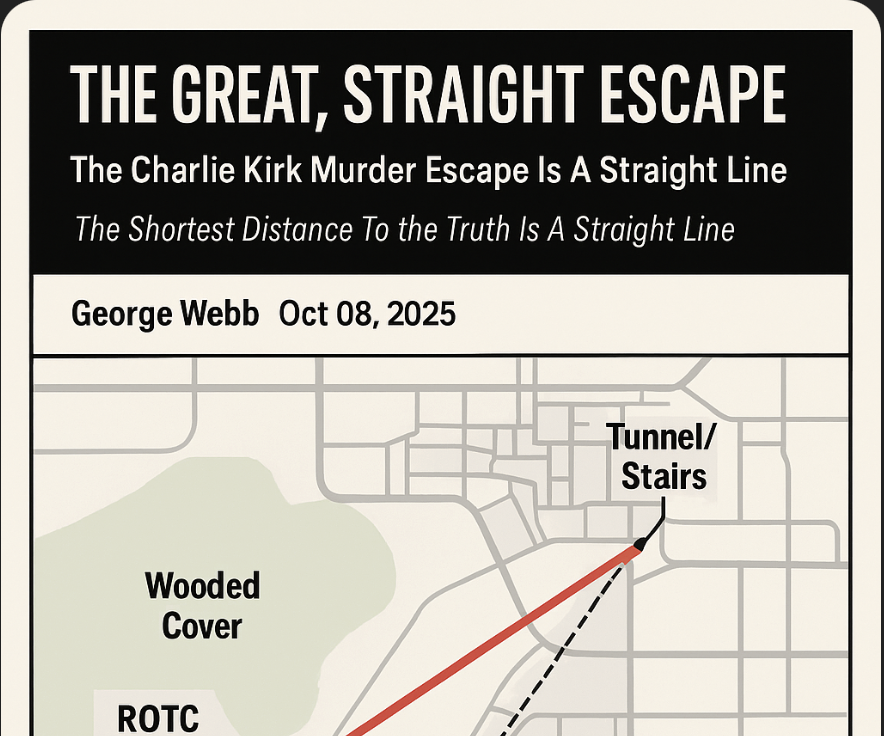
By mapping those relationships, we move beyond speculation into informed hypothesis-building. In the case of the Charlie Kirk assassination, the metadata pointed us toward a specific nucleus — not a random internet thread or a sensationalized claim, but a physical and organizational center of gravity.
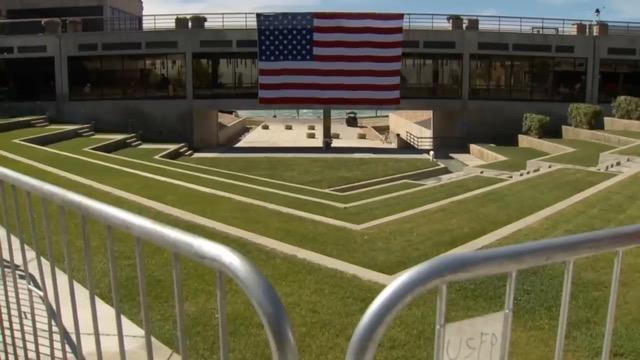
Everything in the Charlie Kirk case intersected with the ROTC building, with the metadata saying ROTC was heavily involved in the diversion operations.
Every key data point — background, movement pattern, communications node — began clustering around the ROTC program and its facilities at UVU.
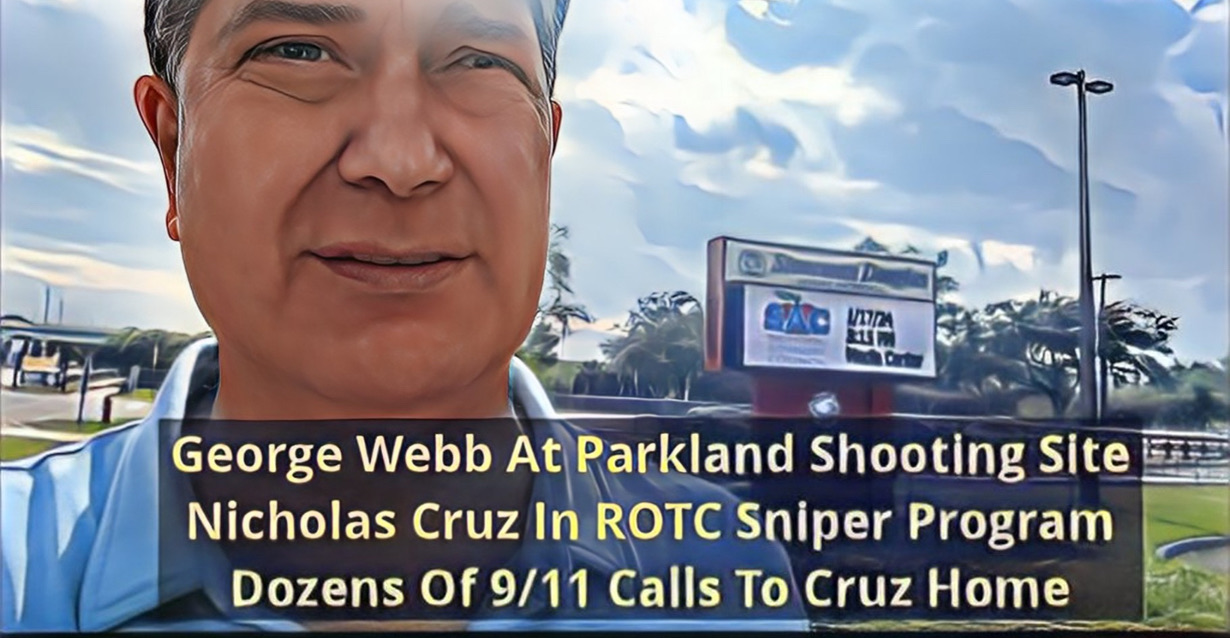
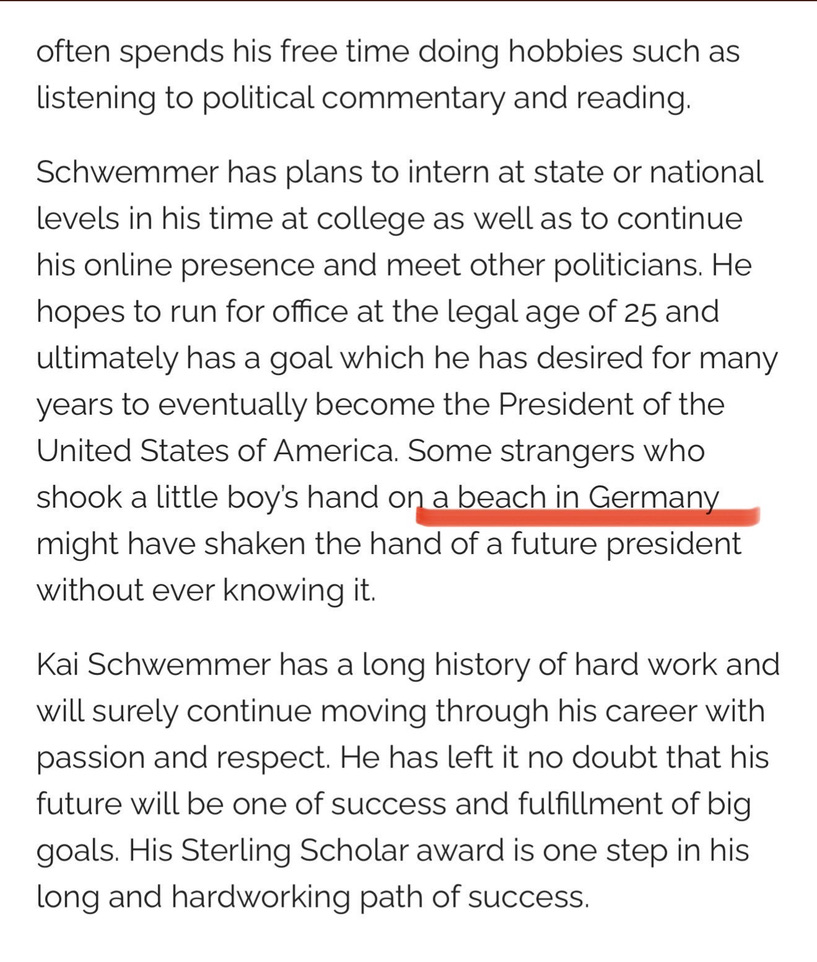
You may remember all the “Nichols Cruzes” in the Parkland Shooting, where two of the witnesses there were also at the UVU shooting, including the Armed Queers Ermiya. Kai Schwemmer, David Hogg, the poster child of false flags, was also there.

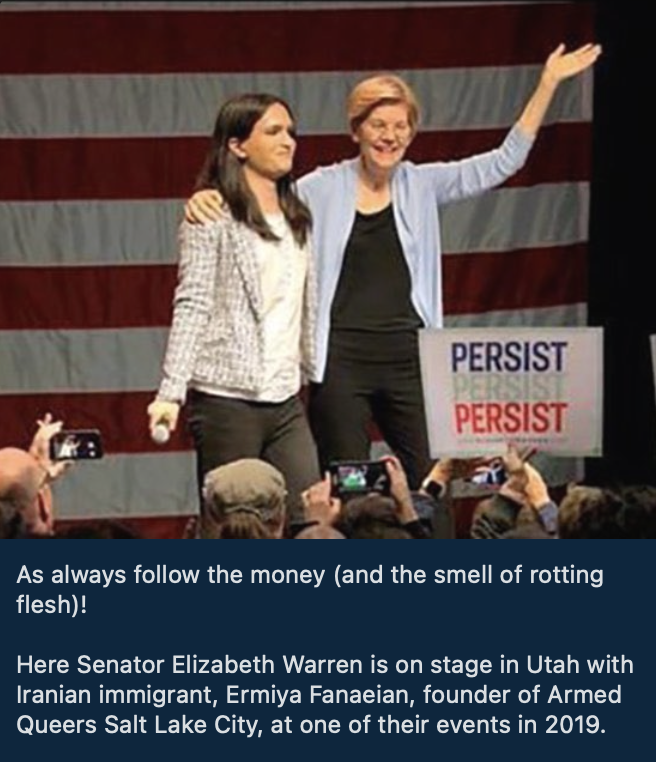
Ermiya developed a military trust operation called Armed Queers. Kai Schwemmer runs a military trust operation for recruiting militant youth on the Right. Lots of military trust operations gave the metadata we needed to hone in on ROTC.
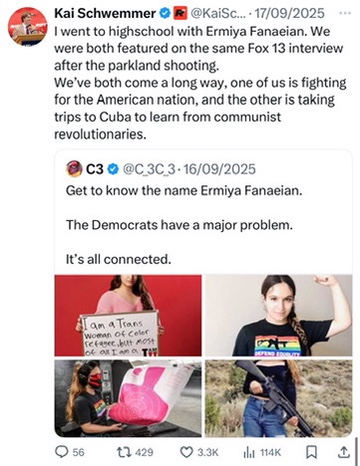
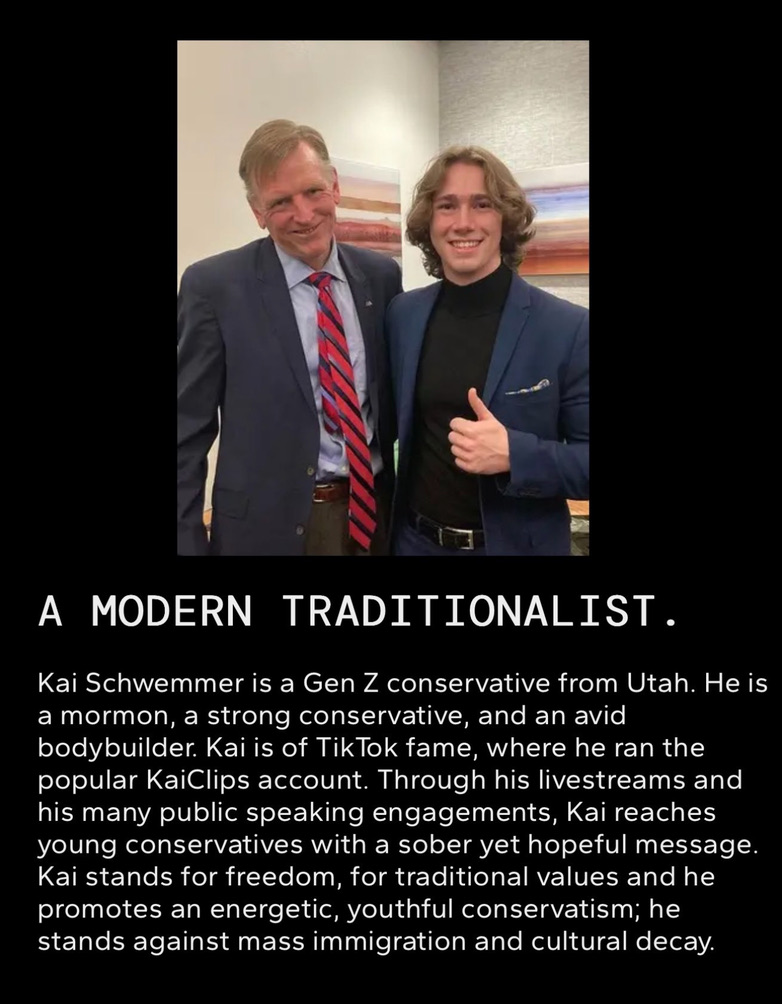
As we built out that mosaic, one fact stood out early: Tyler Robinson’s deep and documented involvement in ROTC. That wasn’t just a résumé bullet — it was a behavioral and logistical anchor.
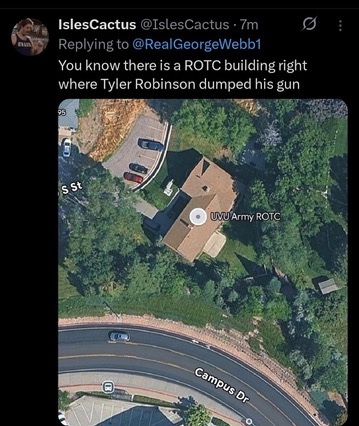
When we reviewed the physical walk patterns — the two approach walks and the escape route — all three radiated out from the ROTC building like spokes from a wheel.
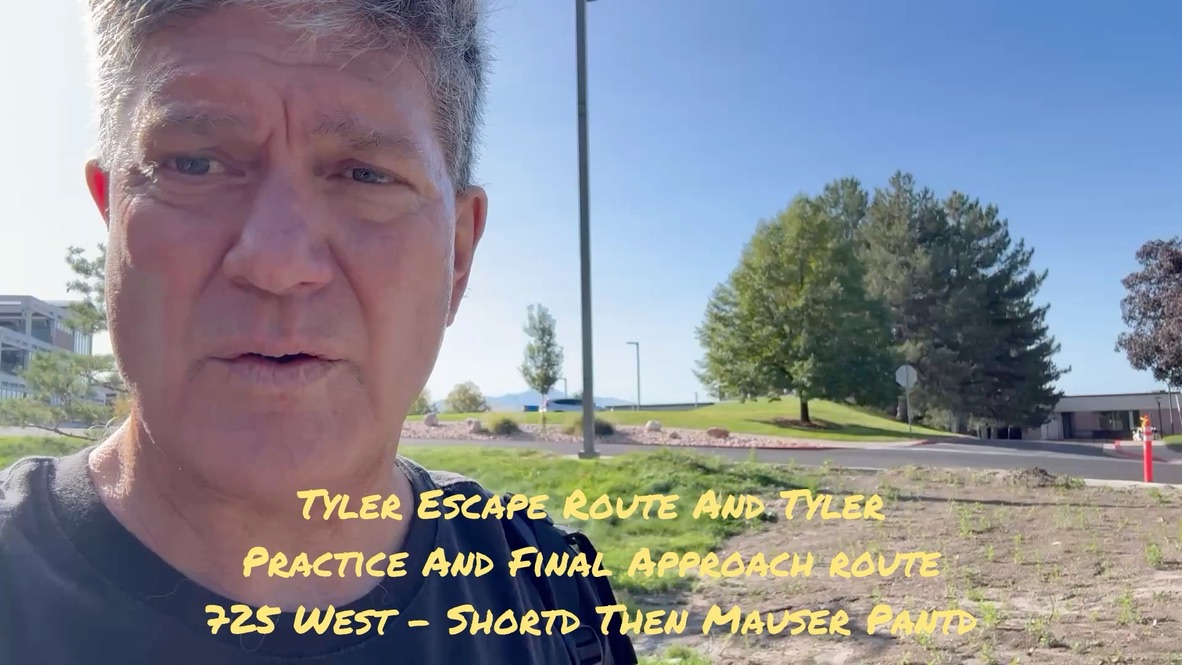
The metadata didn’t lie: the building wasn’t a backdrop, it was a base of operation. When you cross-reference that with Discord recruitment channels tied to the “Armed Queers” program, run through a government partnership involving the ATF, you begin to see a convergence — a formal, institutional layer overlapping with informal, ideological recruitment. The ROTC facility served as both meeting ground and staging area.
That’s why, to this day, we keep returning to the ROTC building as the investigative nexus. It’s where the metadata, the human patterns, and the operational logic all intersect. Too many commentators online grab peripheral facts — the outliers, the distractions — and spin them into side plots that lead nowhere.
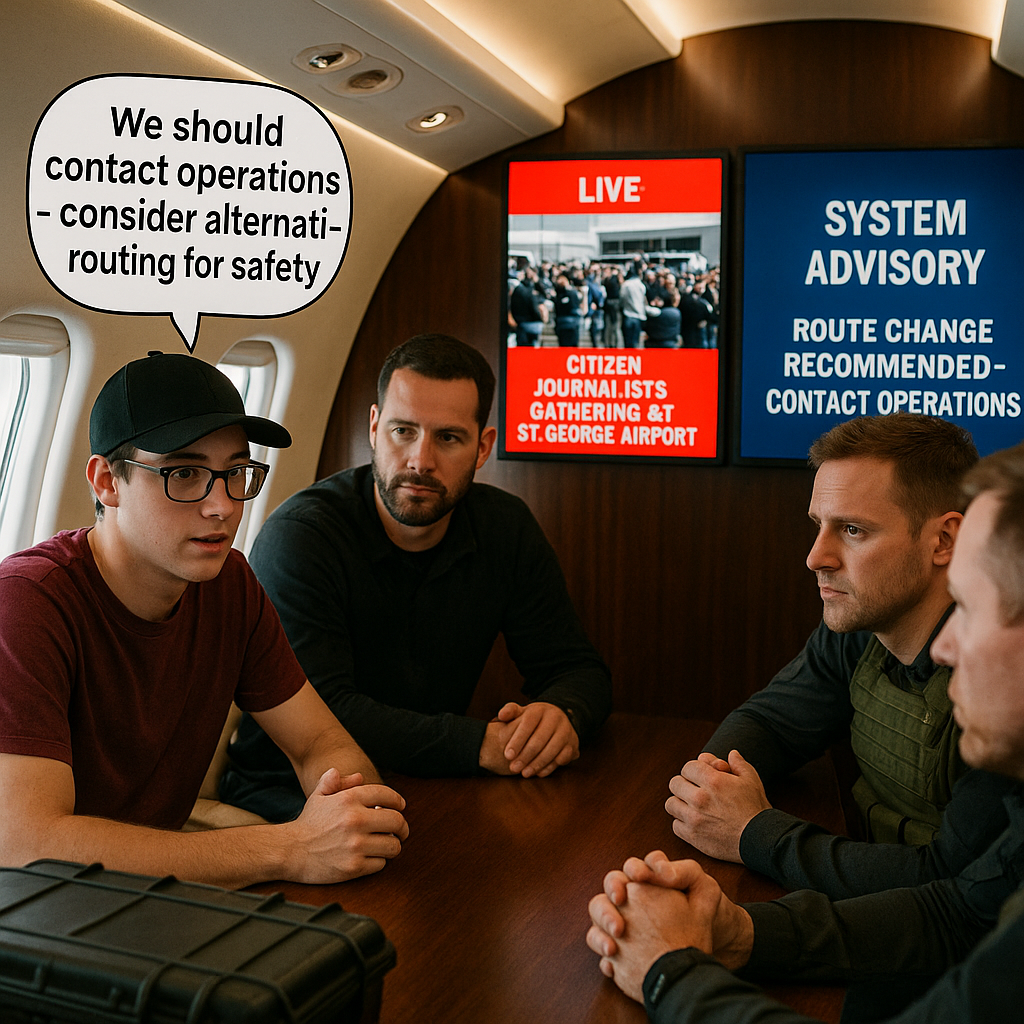
From September 11th when we published the “St. George ATF video”, we thought ATF was the “inside team” and ROTC was the “outside team” with Tyler Robinson as the liaison.
But real investigation is about convergence, not divergence. The metadata showed us where the roads meet, and that’s where the story lives. So when we zero in again on the ROTC, it’s not obsession — it’s method. It’s the discipline of following the data back to its densest point of intersection, where motive meets means, and where the truth is most likely to surface.

Subscribe to continue reading
Subscribe to get access to the rest of this post and other subscriber-only content.


