From Paperclip To CoronaVirus – How Big Pharma Backed The Virus
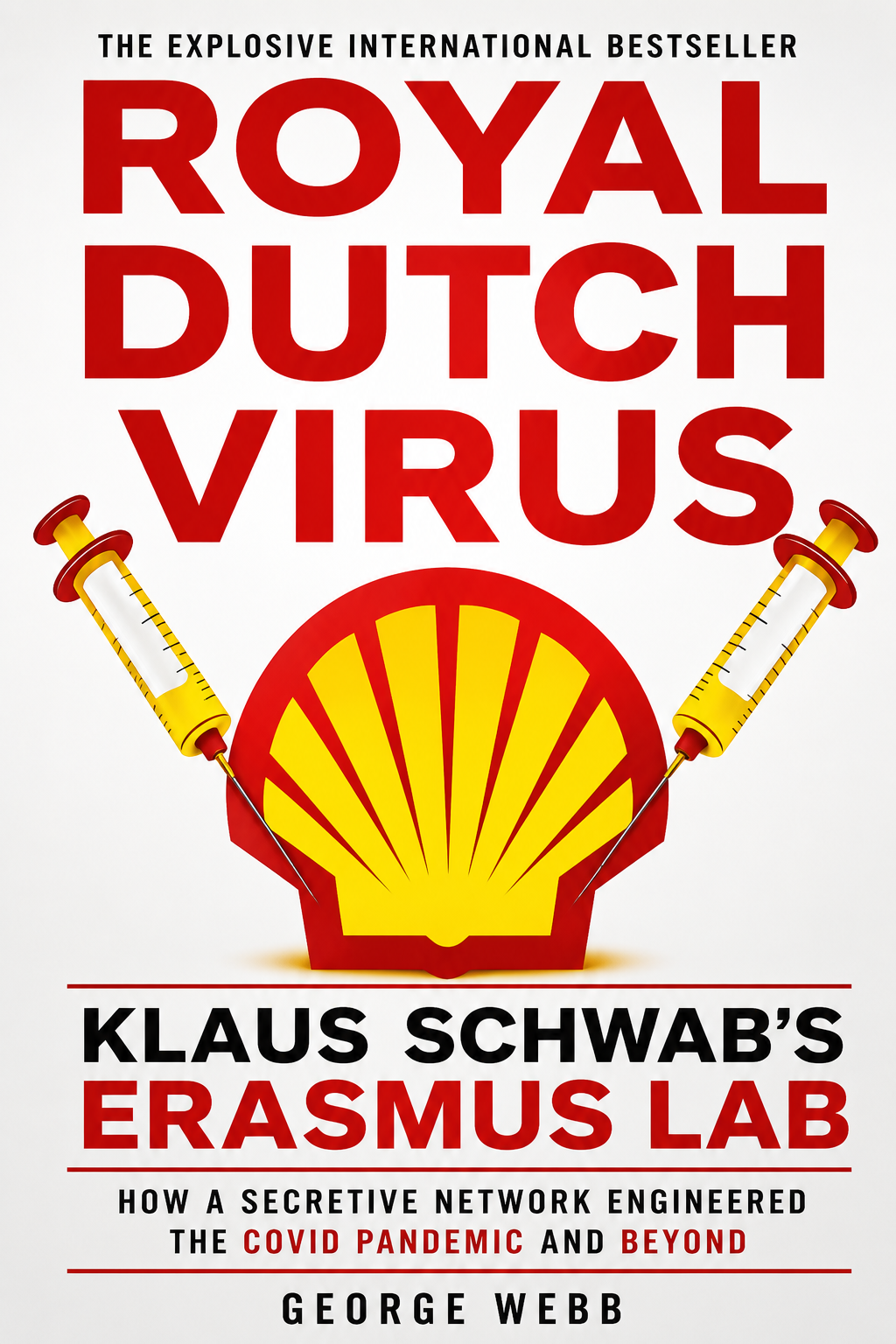
In “Spray It In Dutch” in 2020, at the height of the CoronaVirus pandemic and hysteria, I tracked the dark hand of Dutch Big Oil in backing biological agents, which some considered bioweapons. In 2022, I went to Rotterdam for a ten-day deep dive to follow up on the book, interviewing the key virology lab as the source of the world’s biggest outbreaks – the Erasmus Lab.
Here is the book outline, along with callouts and citations.

George Webb’s Royal Dutch Virus
From Paperclip to Coronavirus — Oil Empires, Biolabs, and the Networks Behind Modern Pandemic Power
From Paperclip to Coronavirus — Investigating the Historical Networks Behind Biodefense, Big Oil, and Global Health Institutions
By George Webb
Originally published August 21, 2020
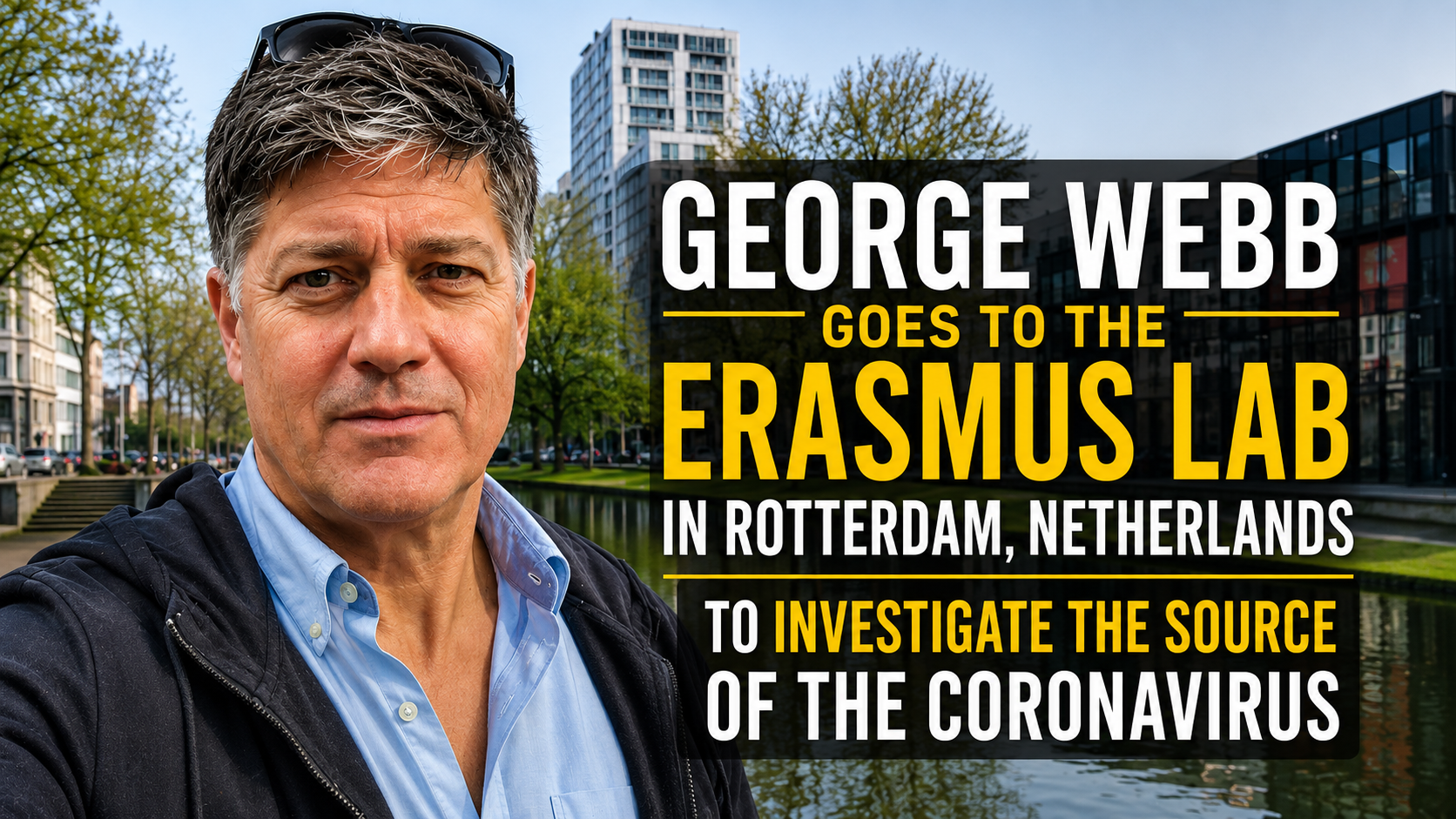
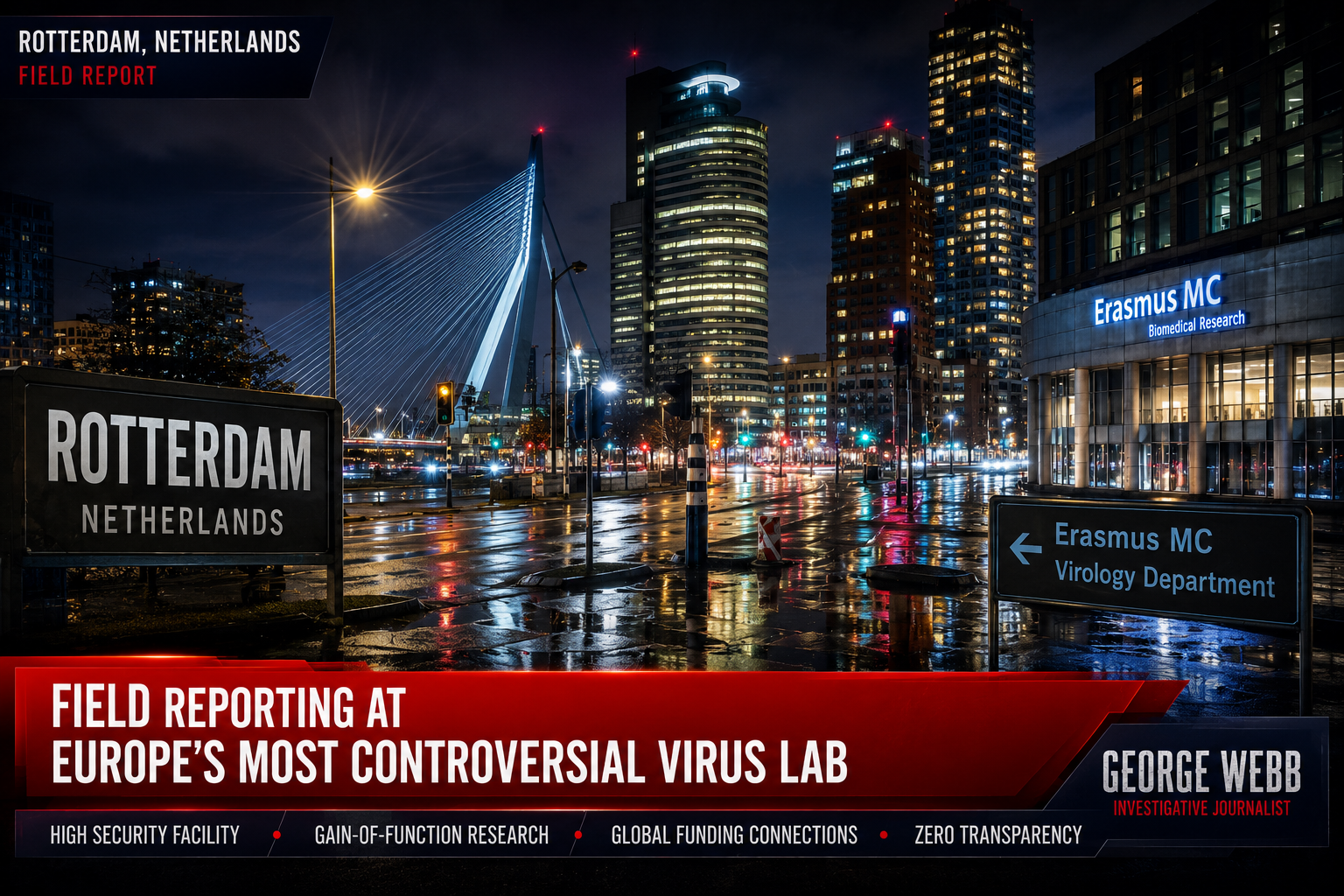
George Webb in Rotterdam at Erasmus Lab in 2022.
Table of Contents
The Royal Dutch Thesis
Rotterdam and the Erasmus Lab
Gain-of-Function Research Debates
NATO, WEF, and Global Health Networks
The IG Farben Legacy
From Operation Paperclip to Modern Biotech
“Saving Private Farben” — The Postwar Reconstruction
AI Hospitals and Social Credit Concerns
Rotterdam Field Reporting
The “Erasmus Chambers” Allegation
Conclusion
Suggested Graphics & Visual Enhancements
Sources & Citations
1. The Royal Dutch Thesis
There are moments in investigative journalism where the map suddenly becomes larger than the case you thought you were working.
You start with one laboratory, one whistleblower, one corporate shell, one suspicious grant, one strange meeting in Rotterdam — and suddenly the lines begin stretching outward into oil dynasties, wartime intelligence programs, pharmaceutical conglomerates, NATO biodefense initiatives, and global governance institutions that most people never think about in the same sentence. But the Erasmus Lab is the same lab that resurrected the Spanish Flu that killed 20 million. Was the small country of the Netherlands trying to create a force multiplier to hold on to its far-flung oil possessions in Africa and Asia with bioagents?
That was the experience I had while researching in Rotterdam is what eventually became my book, Spray It In Dutch.
For more than two years, I followed what I believed to be a hidden continuity between the industrial systems of the twentieth century and the emerging biosecurity infrastructure of the twenty-first. The names changed. The logos changed. The language changed. But the institutional DNA appeared remarkably similar.
The deeper I dug into Dutch energy networks, pharmaceutical financing, and postwar European reconstruction, the more one institution kept appearing in the background: Erasmus Medical Center in Rotterdam.
Rotterdam itself fascinated me. It is not merely a European port city. Rotterdam is one of the central logistical arteries of Europe — a city historically tied to shipping, energy transit, intelligence traffic, multinational finance, and increasingly, biomedical innovation.
In my reporting, Rotterdam became a kind of symbolic crossroads where the worlds of Big Oil, global medicine, NATO strategy, and artificial intelligence-driven healthcare all converged.
And behind those institutions, I repeatedly encountered historical names that seemed to refuse to disappear.
Henry Kissinger.
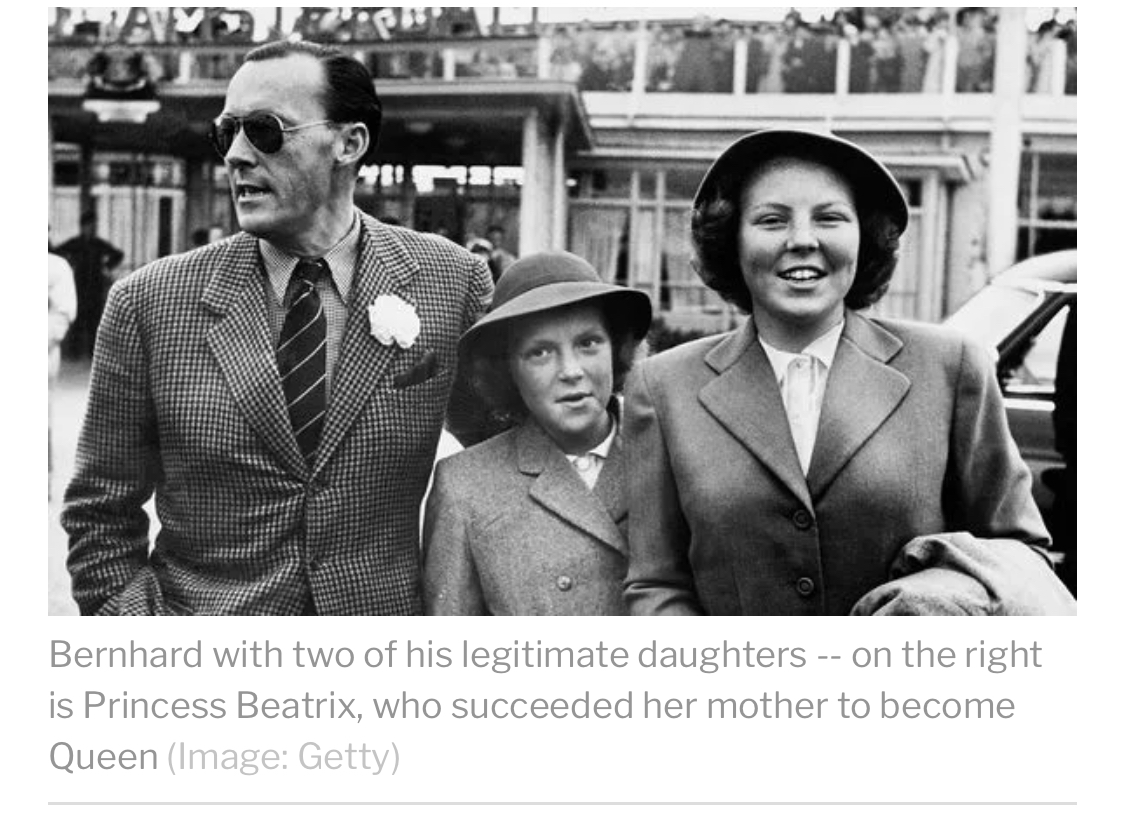
Prince Bernhard.
Royal Dutch Shell.
Bilderberg.
IG Farben.
The World Economic Forum.
Whether one sees these connections as coincidence, institutional overlap, or something more coordinated depends largely on how one interprets the architecture of modern power.
But what struck me most was how many of the same systems that once dominated energy, chemicals, wartime logistics, and industrial reconstruction now appeared deeply embedded inside global health infrastructure.
That became the core thesis of my investigation.
Not that history repeats itself exactly.
But that institutions evolve while preserving their essential interests.
And nowhere did that continuity appear more visible to me than in Rotterdam.
For more than two years, I investigated what I describe as a long-running intersection between Royal Dutch corporate power, global energy interests, intelligence operations, and biological research institutions. Central to my thesis is the idea that networks originating in the World War II era evolved into modern multinational systems connecting finance, defense, pharmaceuticals, and global governance.
At the center of this investigation is the city of Rotterdam and the Erasmus Medical Center, which became a focal point in international debates surrounding gain-of-function research and pandemic preparedness.
Callout:
Rotterdam is home to one of Europe’s most advanced biomedical research hubs and has participated in influenza and coronavirus research collaborations for decades.
2. Rotterdam and the Erasmus Lab
When I first began researching Erasmus Medical Center, I expected to find a respected European medical institution involved in influenza and pandemic preparedness programs.
What I did not expect was to find myself standing outside one of the most controversial virology hubs in Europe while debating whether my questions alone might attract the attention of Dutch authorities. Big Oil has always seen Big Pharma as their natural transition for this oil process manufacturing, and Erasmus is at the front end of a new class of pharmaceuticals for Big Oil and Big Pharma.
Erasmus Medical Center became internationally known for research involving influenza strains, zoonotic transmission studies, and later coronavirus-related investigations. Supporters described the institution as one of the world’s leading centers for pandemic preparedness. Critics viewed certain experiments as examples of dangerous gain-of-function escalation.
I traveled repeatedly through Amsterdam and Rotterdam during this period, meeting journalists, researchers, dissidents, and independent investigators attempting to understand how biodefense policy had quietly become one of the defining geopolitical issues of the modern era.
One stop on that journey involved conversations with Dutch investigative journalists who had themselves spent years examining pharmaceutical influence networks, NATO-linked health programs, and the expanding role of artificial intelligence in medicine.
What fascinated me was not simply the science.
It was the institutional layering.
The same city hosting one of Europe’s busiest ports also hosted one of Europe’s premier virus research hubs.
The same international systems coordinating shipping, finance, energy, and military logistics increasingly intersected with pandemic management, digital health systems, and global emergency governance.
To me, the overlap did not feel accidental.
The Erasmus campus itself became almost symbolic of this transformation.
A modern glass-and-steel cathedral devoted to biotechnology, surveillance medicine, predictive analytics, and international health coordination.
The architecture communicated authority.
Efficiency.
Centralization.
Scientific inevitability.
And surrounding all of it was a growing post-COVID atmosphere of secrecy, caution, and institutional defensiveness.
The more controversial gain-of-function research became publicly debated worldwide, the more heavily guarded these scientific environments appeared to become.
I found employees reluctant to speak openly.
Researchers carefully choosing words.
Administrators wary of independent journalists.
And behind every hallway conversation lingered the same uncomfortable question:
Had humanity built a scientific infrastructure capable of creating the very catastrophes it claimed to defend against?
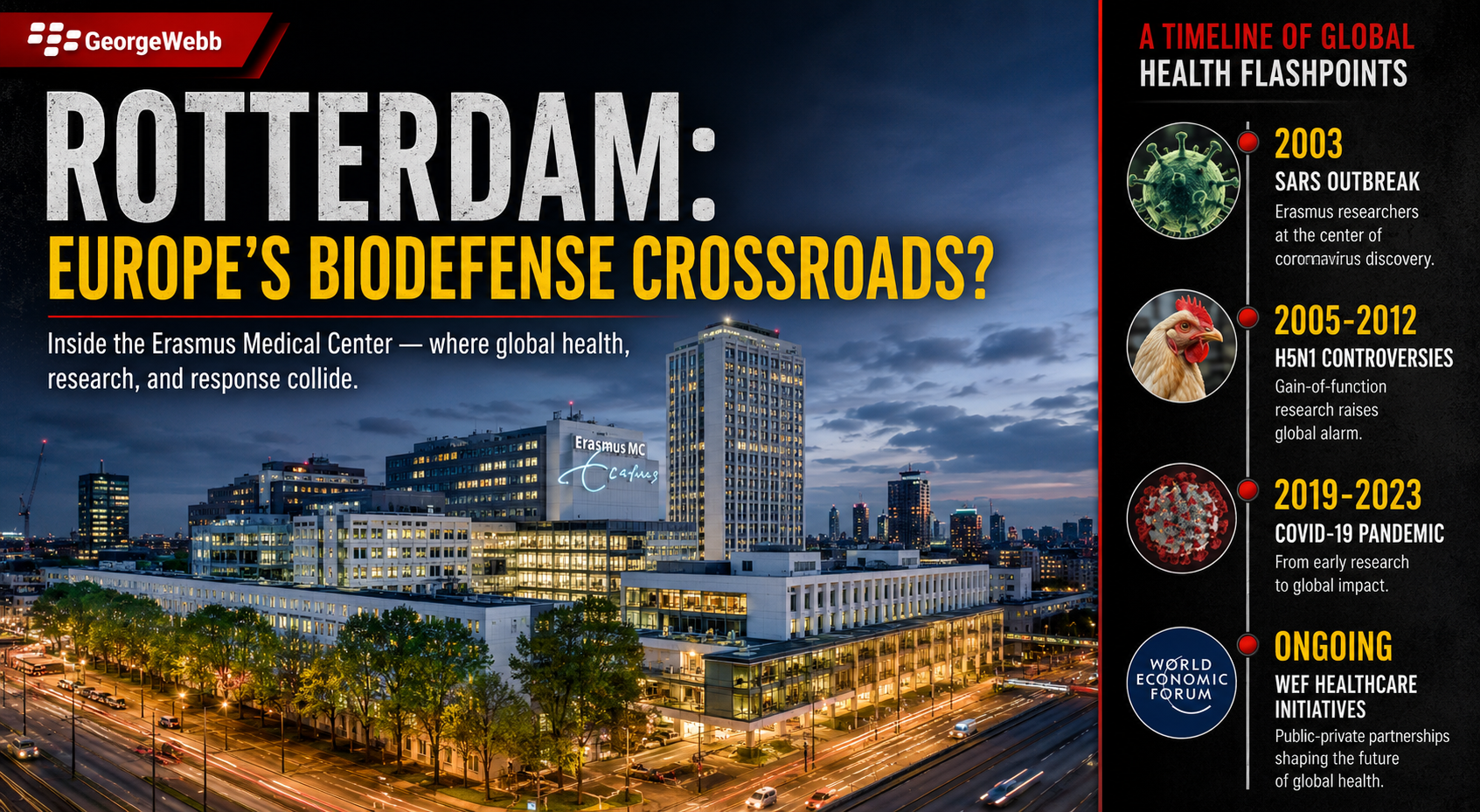
One of the primary institutions examined in my earlier book Spray It In Dutch was Erasmus Medical Center in Rotterdam. The laboratory became internationally known for influenza surveillance and coronavirus research.
I traveled to Amsterdam and Rotterdam while researching the book and met with journalists and researchers to discuss concerns surrounding gain-of-function experimentation involving influenza and SARS-related viruses.
Context
Gain-of-function research refers to laboratory experiments that alter pathogens to study transmissibility, virulence, or immune response. Supporters argue the research improves preparedness; critics warn it may increase biosafety risks.
Citation
National Institutes of Health overview of gain-of-function policy debates
WHO biosafety guidance documents
3. Gain-of-Function Research Debates
During my reporting, I focused heavily on controversies surrounding influenza and coronavirus manipulation research.
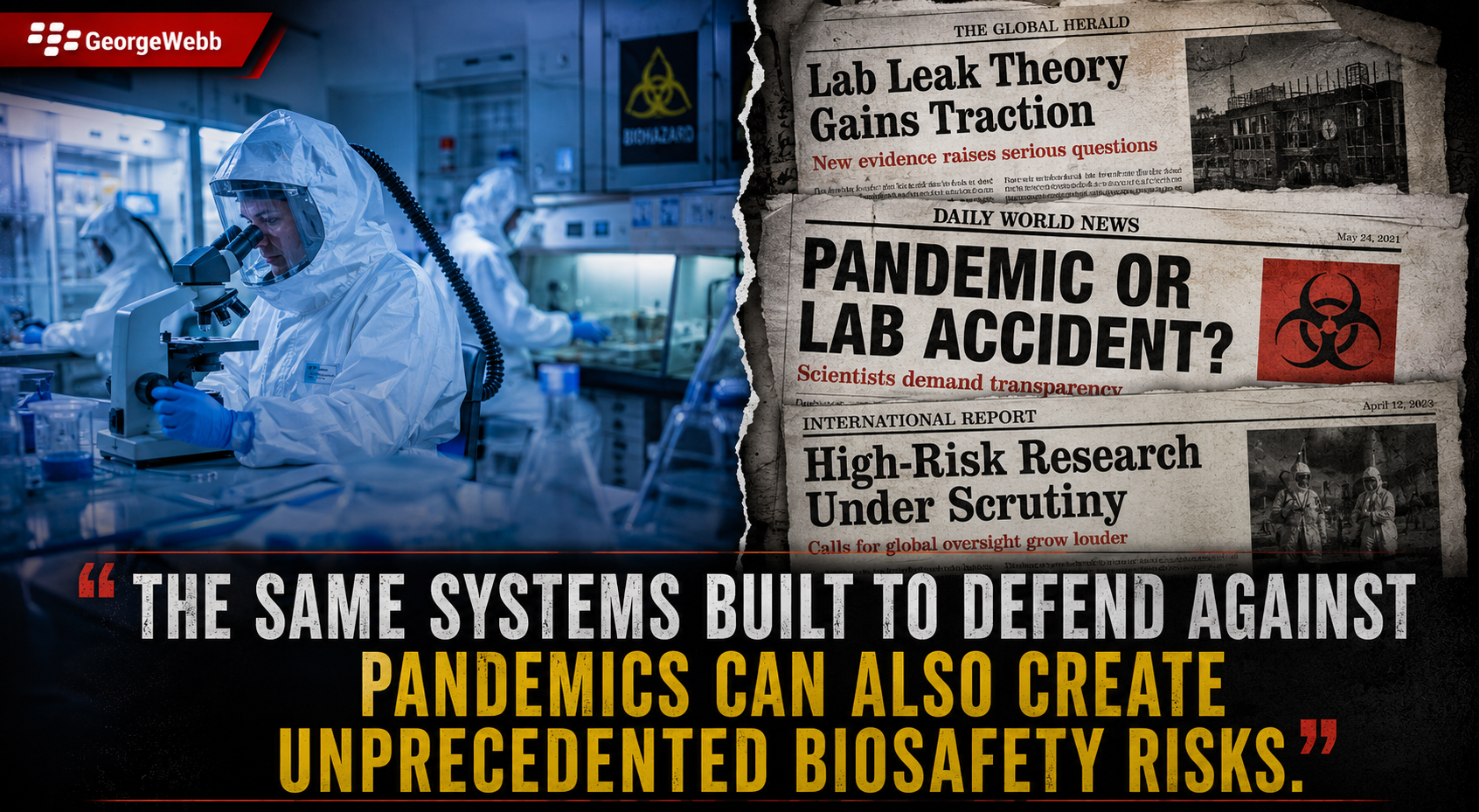
The debate intensified globally after experiments involving modified H5N1 avian influenza strains raised concerns among biosecurity experts about accidental release risks.
Bookmark: Key Debate
Should governments fund high-risk pathogen enhancement research in the name of pandemic preparedness?
Researchers defending the work argue that understanding how viruses evolve naturally allows scientists to develop vaccines and surveillance tools more effectively. Critics counter that the risks of laboratory accidents outweigh the scientific benefits.
4. NATO, WEF, and Global Health Networks
Another major theme in my investigation concerns the intersection of global institutions including NATO-aligned research systems, pharmaceutical interests, and the World Economic Forum.
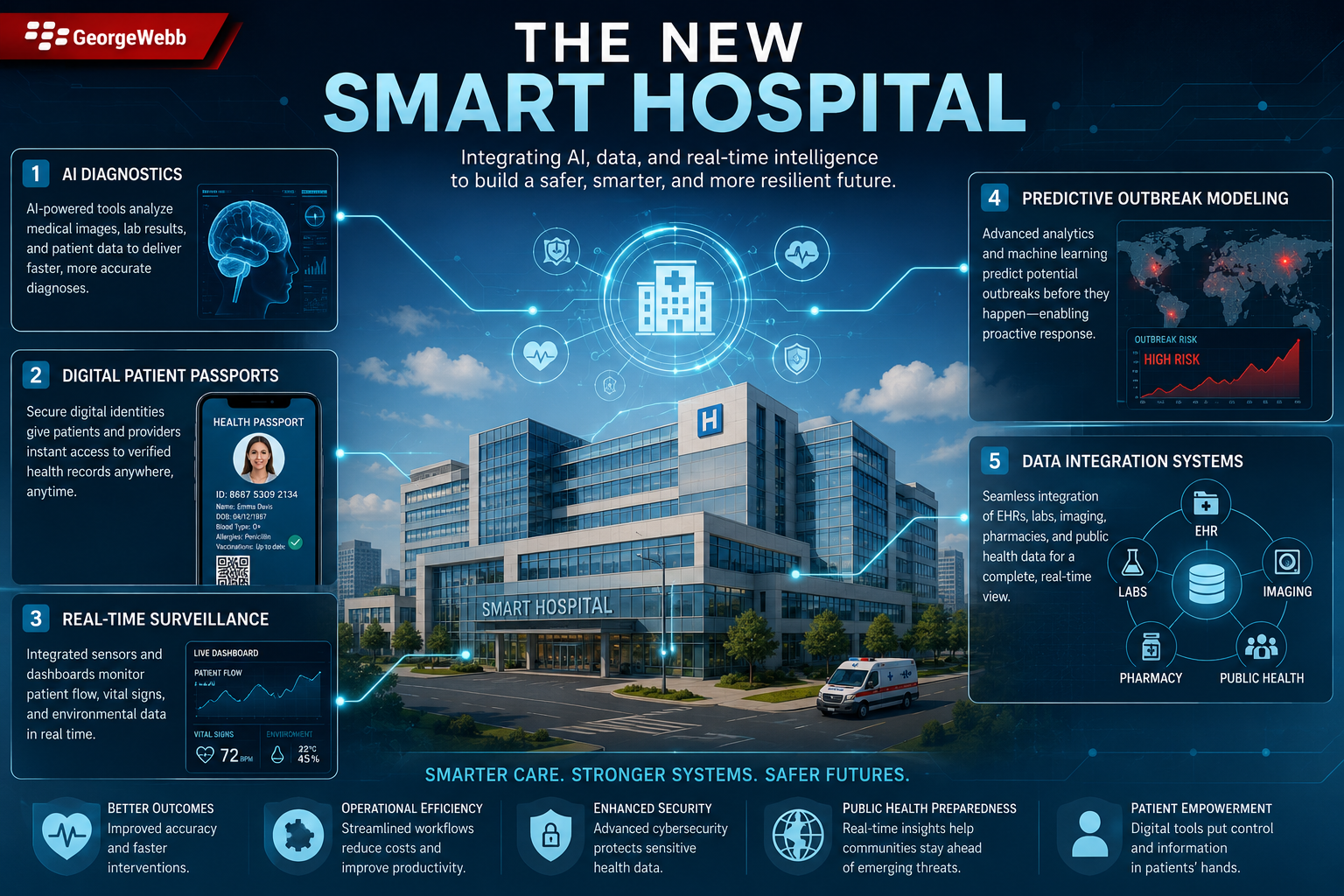
The Erasmus Medical Center has participated in international healthcare innovation programs and digital medicine initiatives, including AI-assisted hospital systems and predictive healthcare technologies.
I argued that institutions promoted as centers of pandemic resilience could also become centralized systems for surveillance, health monitoring, and social management.
Contextual Note
The World Economic Forum advocates expanded use of artificial intelligence and digital infrastructure in healthcare. Critics of these systems frequently raise privacy and governance concerns.
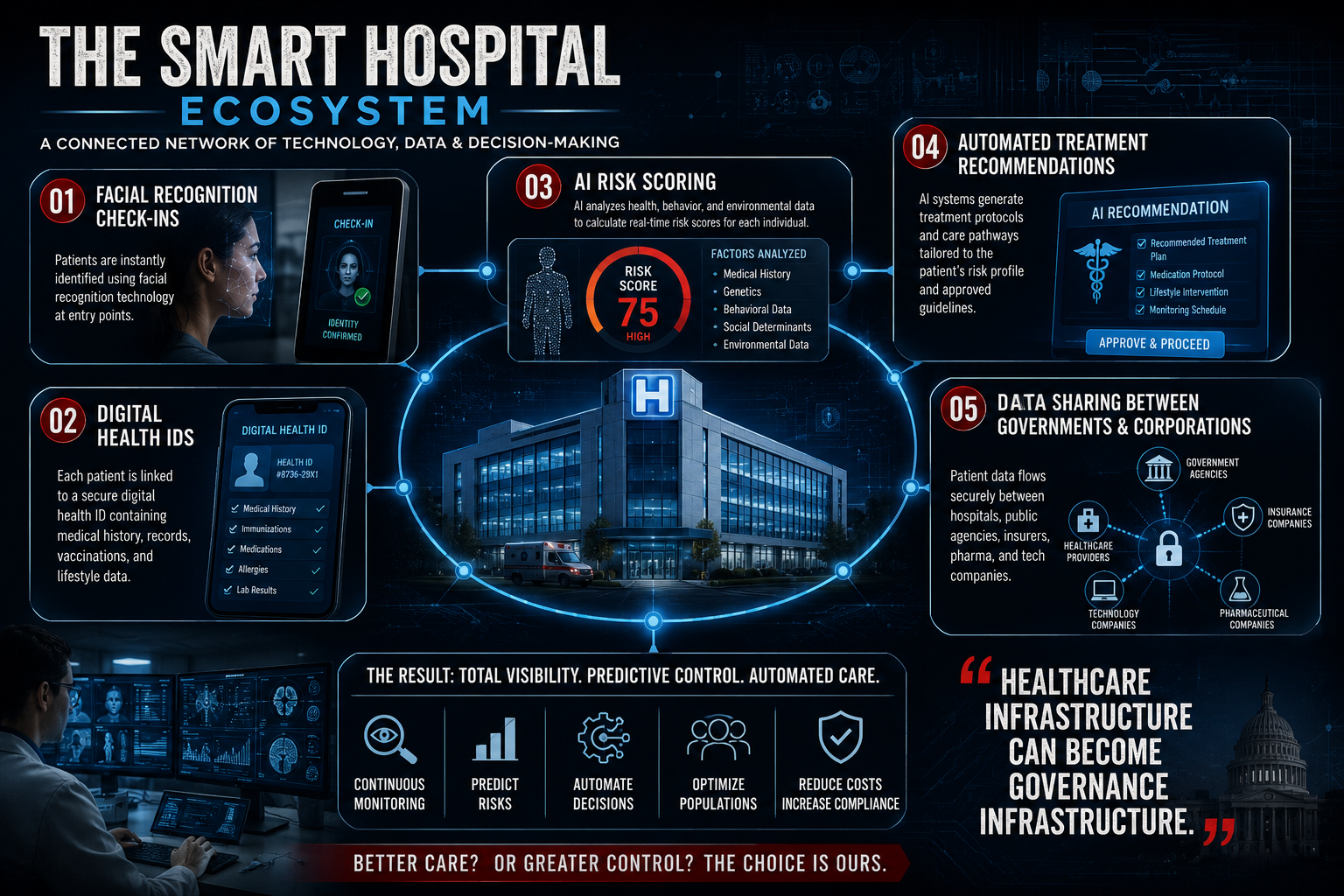
Does this usher in EU/NATO Cradle-to-Grave Health Surveillance with “The New Smart Hospital”?
5. The IG Farben Legacy
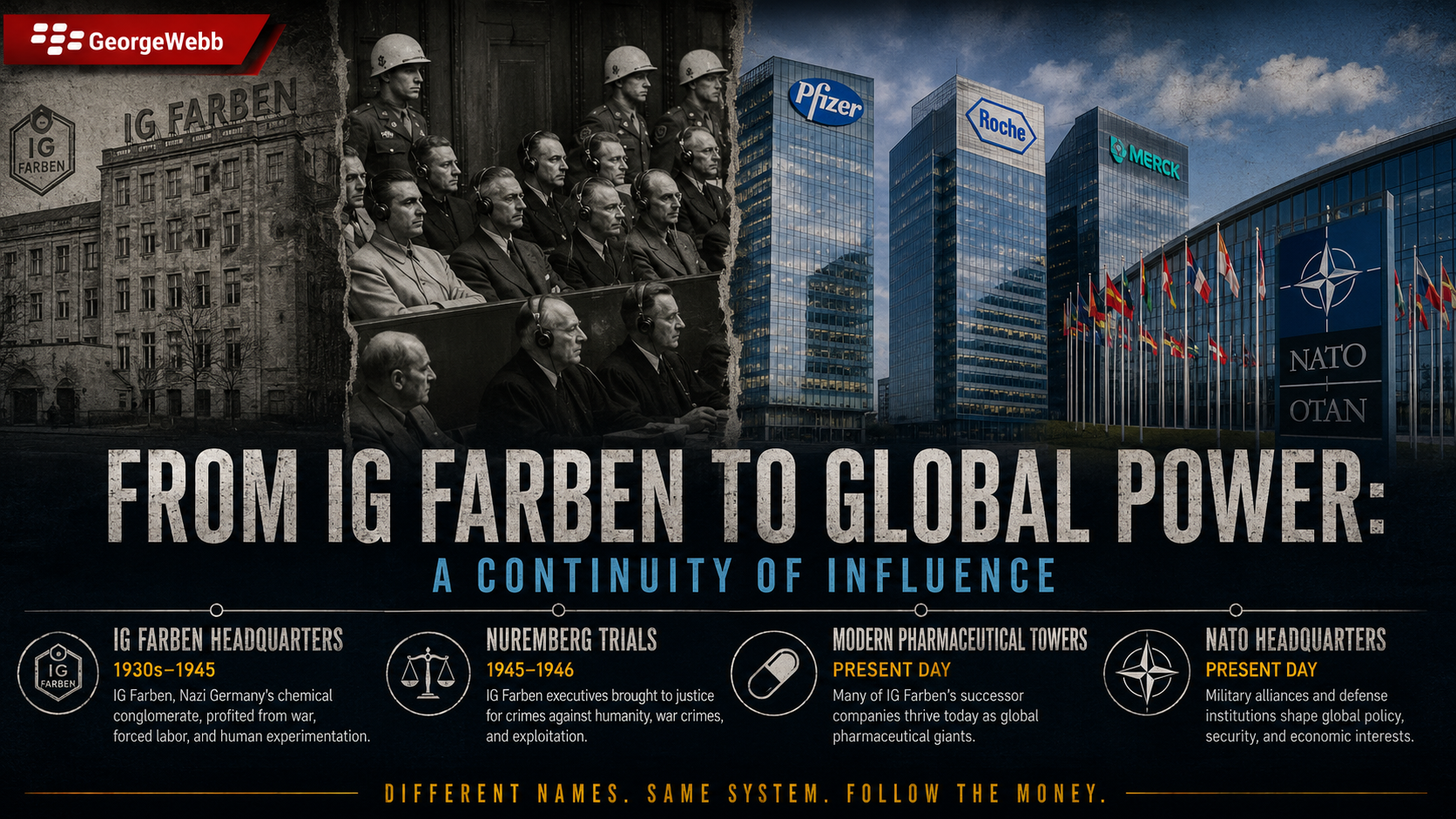
A central historical argument in my work traces the lineage of industrial and pharmaceutical power back to IG Farben, the massive German chemical conglomerate that became deeply intertwined with the Nazi regime during World War II.
IG Farben played a notorious role in the war economy and in supplying materials associated with concentration camps.
After the war, the corporation was broken apart into successor companies, including firms that later evolved into major pharmaceutical and chemical giants.
Historical Note:
Historians widely document the role of IG Farben executives in supporting Nazi war production and chemical programs.
Citation
United States Holocaust Memorial Museum archives on IG Farben
Nuremberg industrialist trial documentation
6. From Operation Paperclip to Modern Biotech
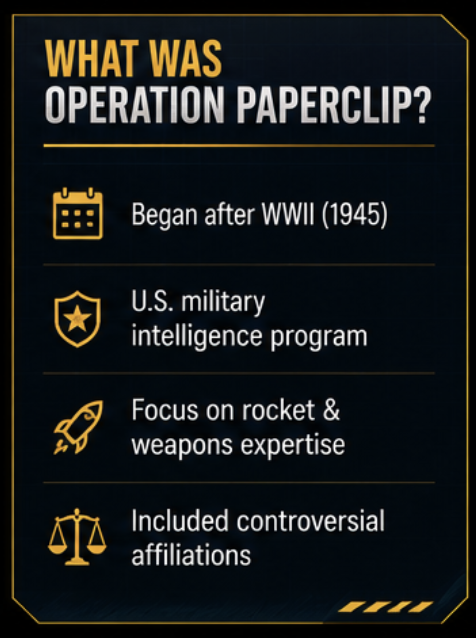
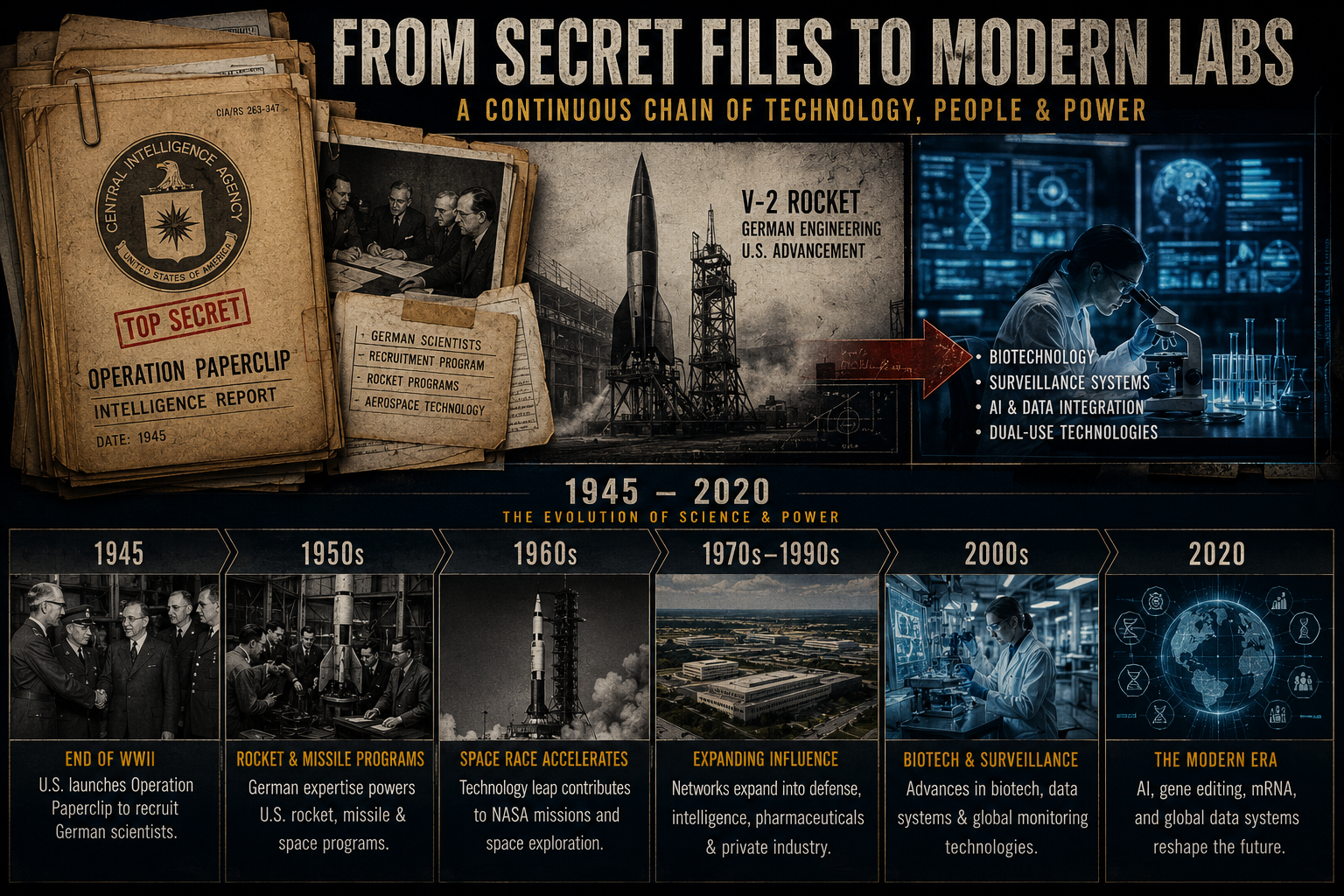
I also examined Operation Paperclip, the U.S. intelligence initiative that relocated German scientists to the United States after World War II.
Although Operation Paperclip is well documented historically, my interpretation extends further — suggesting that wartime research structures evolved into postwar global scientific networks spanning aerospace, chemical engineering, intelligence operations, and biodefense.
Context
Operation Paperclip officially brought more than 1,600 German scientists, engineers, and technicians to the United States.

7. “Saving Private Farben” — The Postwar Reconstruction
In one section of my earlier work, I used the metaphor “Saving Private Farben” to describe what I viewed as efforts to preserve critical industrial and scientific expertise from Nazi Germany after the war.
The phrase was inspired by the film Saving Private Ryan, reimagined through the lens of industrial continuity rather than battlefield heroism.
My broader argument is that certain wartime research priorities — particularly involving chemistry, biological systems, and industrial control — never truly disappeared but instead migrated into multinational corporate and defense structures.
8. AI Hospitals and Social Credit Concerns
I was particularly critical of what I described as the “hospital of the future” model — one driven by artificial intelligence, predictive analytics, centralized healthcare databases, and behavioral scoring systems.
My concern was not simply technological advancement, but rather the consolidation of public health, identity systems, and surveillance capabilities into unified governance platforms.
9. Rotterdam Field Reporting
While conducting field reporting in Rotterdam, I interviewed individuals connected to the Erasmus Medical Center and observed the atmosphere surrounding the facility.
I describe tense encounters with security-conscious staff and concerns that questioning researchers directly could attract unwanted attention from authorities.
Although no arrest occurred, the experience underscored how sensitive biodefense and virology research had become in the post-COVID environment.
10. The “Erasmus Chambers” Allegation
One of the most controversial sections of my original article involved criticism of Remdesivir treatment protocols during the COVID-19 pandemic.
The phrase “Erasmus Chambers” was used rhetorically and polemically to criticize hospital treatment systems associated with pandemic emergency protocols.
One of the key labs I focus on in Rotterdam is the Erasmus Lab for bioweapon Gain-of-Function research. Kissinger and Klaus Schwab favorite WEF lab for rolling out bioagents for NATO is Erasmus, and Erasmus has also been a WEF favorite for introducing new AI “Smart Hospital” protocols.
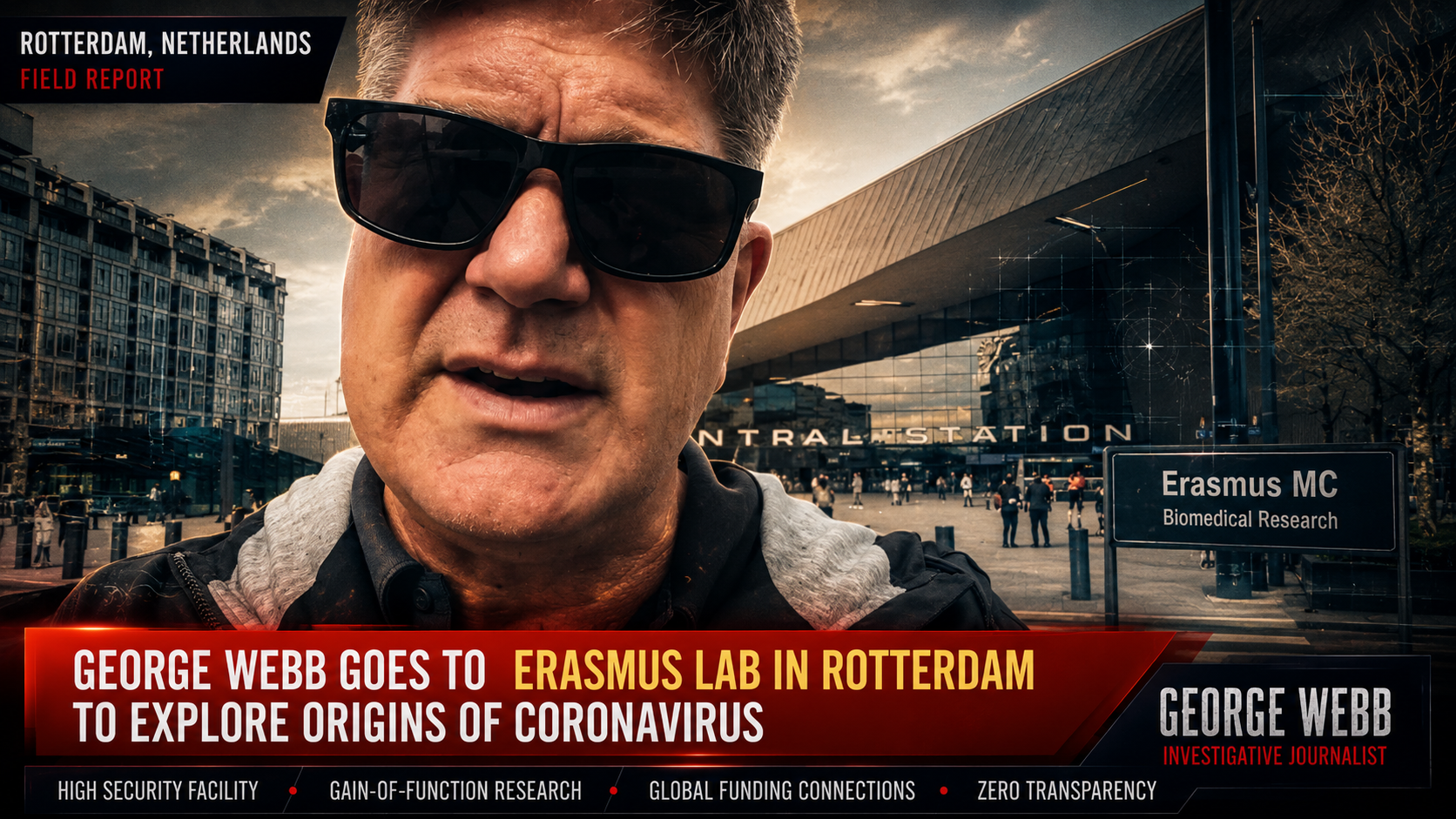
Here is the video I made in Rotterdam when I first arrived in 2022.

Subscribe to continue reading
Subscribe to get access to the rest of this post and other subscriber-only content.


